

Beschreibung
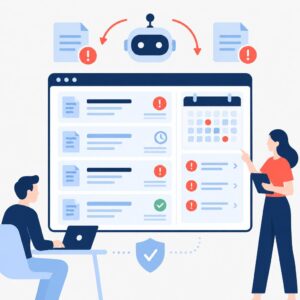
The AI Supplier Delivery Monitor & Exception Manager continuously compares expected arrivals from purchase orders against carrier updates, ASNs and warehouse receipts to detect delivery exceptions such as late shipments, partial deliveries or wrong SKU arrivals. The system applies AI-driven classification and prioritisation so teams see high-impact issues first and avoid spending time on routine checks.
implementi.ai configures the agreed integrations, operates the automation and maintains the service on a monthly basis so your procurement and receiving teams receive actionable alerts, automated supplier messages and created tasks in your chosen systems without building or running the automation in-house.
Das Problem
Many procurement and receiving teams rely on manual checks of POs, carrier tracking pages and receiving logs. That approach requires staff to open multiple systems, hunt for ASN messages, reconcile receipts with ERP reservations and chase partial or missing shipments by email or phone. As supplier counts, SKUs and warehouse locations grow, these manual processes create delays, inconsistent prioritisation and fragmented supplier performance data. Important exceptions can be missed or detected late, causing production delays, stockouts or incorrect ERP inventory records.

Was diese Lösung automatisiert
This managed service automates continuous detection, classification and handling of supplier delivery exceptions across the systems agreed in scope. The automation focuses on expected-versus-actual arrival comparisons and triggering the configured follow-up actions.
- Import open purchase orders and expected delivery windows to build a rolling view of arrivals.
- Ingest ASNs, carrier tracking updates and receiving records to compare actual events against expectations.
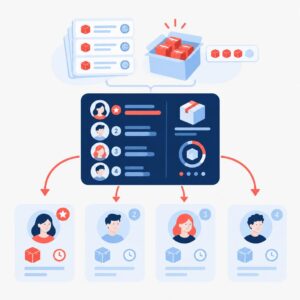
- Apply AI and rule-based classification to label exceptions (late, partial, wrong SKU, missing ASN) and score impact.
- Create or update exception tasks/tickets in your chosen task or ticketing system and notify the responsible teams.
- Send templated supplier reminders or escalation messages when rules indicate.
- Aggregate delivery events into supplier performance summaries for ongoing review.
Was Ihr Unternehmen davon hat
- Schnellere Erkennung. Continuous monitoring spots late or missing deliveries as they occur so teams can act before stock or production is affected.
- Reduced manual chasing. Automated supplier reminders and task creation cut time spent looking up shipment status and composing follow-ups.
- Clear prioritisation. AI classification surfaces high-impact exceptions first so limited resources focus where they matter most.
- Konsistente Aufzeichnungen. A maintained delivery history consolidates events and outcomes for supplier reviews and more reliable procurement decisions.
- Operational resilience. implementi.ai operates, monitors and maintains the automation so the solution continues to run without requiring in-house development or day-to-day maintenance.
Ein praktischer Anwendungsfall
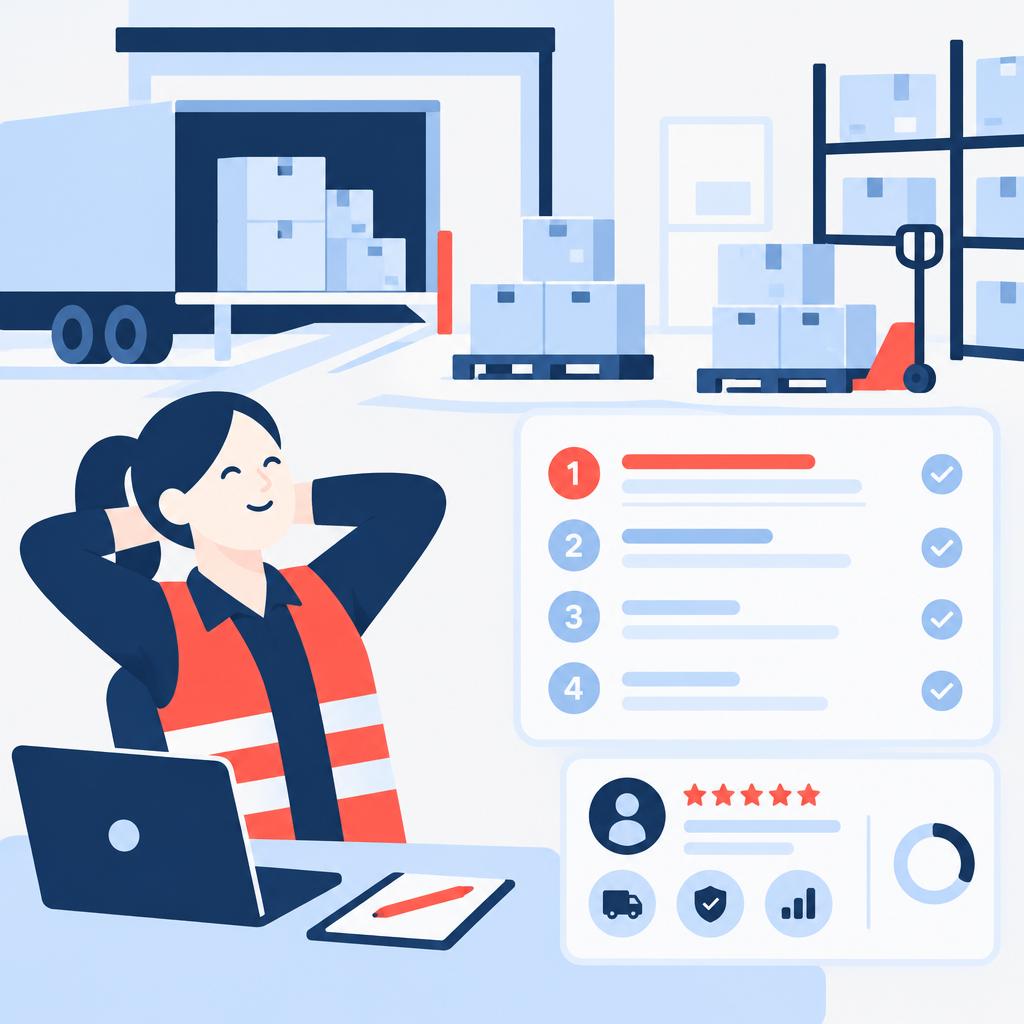
A mid-sized manufacturer with multiple suppliers and warehouses previously assigned receiving clerks to reconcile delivery notes against ERP POs and call suppliers when ASNs did not arrive. That process consumed hours daily and missed partial shipments. After implementing this service, the automation imports open POs, listens for ASNs and carrier updates, classifies late or partial deliveries, sends templated supplier reminders when needed, and opens exception tasks for manual follow-up. Receiving teams handle fewer routine checks and focus on resolving the most urgent exceptions, while management receives supplier performance summaries for contract reviews.
Für wen ist es gedacht?
- Manufacturers with multi-supplier procurement teams — need centralized delivery visibility and fewer receiving delays.
- Retailers and distributors operating multiple warehouses — want to reduce stockouts caused by missed or partial deliveries.
- Procurement teams that require consolidated supplier performance data — for supplier reviews and sourcing decisions.
- Companies using ERP or purchasing systems — seeking to automate exception workflows and reduce spreadsheet-based chasing.
Was ist im monatlichen Service enthalten?
The monthly subscription covers the managed automation and ongoing operational elements agreed before launch. implementi.ai configures the connections, runs the monitoring and applies reasonable configuration updates as part of the service.
- Connections with the systems agreed before launch (ERP, procurement, carrier feeds, receiving logs).
- KI-basierte Verarbeitung zur Klassifizierung, Priorisierung und Zusammenfassung der Lieferantenleistung.
- Monitoring of automation operation, error handling and fixes to keep the solution working.
Wann diese Lösung möglicherweise nicht erforderlich ist
- Very small businesses with only a handful of suppliers and minimal purchase orders may find manual checks sufficient.
- Organisations that do not have any digital PO/ASN/receiving records (paper-only workflows) should complete basic digitisation before this service is useful.
So funktioniert es
- Scope and connect. We agree which systems to include (ERP, procurement, carrier feeds, receiving logs) and set up the initial connections for the agreed scope so the automation can observe expected and actual delivery events.
- Build expected arrivals. The service maps open purchase orders and stated delivery windows to create a rolling list of expected deliveries to monitor.
- Ingest shipment and receipt events. Carrier tracking updates, ASNs and warehouse receiving records are continuously compared against expected arrivals to surface discrepancies.
- Klassifizieren und priorisieren. AI models and configured business rules label each discrepancy (late, partial, wrong SKU) and score its potential impact so important items rise to the top.
- Trigger actions. For prioritized exceptions the automation creates tasks or tickets in the chosen system, notifies responsible teams and can send templated supplier reminders according to the agreed rules.
- Record outcomes. Delivery events and exception resolutions are recorded to maintain supplier performance history and support later analysis.
- Überwachen und warten. implementi.ai überwacht den Zustand der Automatisierung, behebt Integrationsfehler und wendet vereinbarte Konfigurationsaktualisierungen an, um den reibungslosen Ablauf des Prozesses zu gewährleisten.
Beispiel-Workflow
For example, imagine a company that issues POs to multiple suppliers and expects ASNs before delivery. The automation imports open POs from the ERP and listens for carrier tracking updates and warehouse receiving records. When a carrier feed shows a shipment delayed beyond the expected delivery window, the system classifies the event as a late delivery and scores it as high priority because critical SKUs are affected. The automation sends a templated reminder to the supplier and creates an exception task in the procurement queue for follow-up. If the supplier confirms a partial shipment, the system updates the exception record and logs the outcome to the supplier performance summary for management review.
Integrationen
Typische Systeme
Typical systems customers connect include ERP and purchasing platforms, warehouse management or receiving records, carrier/tracking APIs and transport management or e-commerce backends that generate purchase orders. Examples of commonly integrated platforms (as a guide) include SAP, Oracle NetSuite and Microsoft Dynamics; other ERP, WMS or e-commerce systems can potentially be connected depending on available access methods. Final compatibility is checked and agreed during scoping.
Anschlussarten
Connections are built using available APIs or webhooks, native platform integrations where provided, scheduled CSV/flat-file exports, EDI/ASN feeds where available, or monitored inboxes for supplier emails. We recommend the method that provides reliable, timely delivery and ASN data for your systems; the chosen approach is confirmed before implementation.
Was wir von Ihrem Unternehmen benötigen
Before launch we agree which systems to connect, provide sample data (POs, ASNs, receiving records) and confirm preferred connection methods. You’ll also help define the business rules for exception handling, notification templates and the target system for created tasks or tickets. Compatibility, access methods and exact scope are confirmed during scoping and before any work begins.
Häufig gestellte Fragen
Which delivery and ASN sources can you connect to?
We can work with ERP, procurement platforms, WMS/receiving records and carrier APIs where those systems provide APIs, webhooks, EDI or exportable files. Exact compatibility is checked during scoping and agreed before implementation.
How much configuration will be needed?
Configuration depends on the number of suppliers, variations in ASN formats and your exception rules. We typically map common fields, create configurable rules and include reasonable updates as part of the monthly service.
How are supplier messages and escalations handled?
Supplier messages use templated content defined and approved during scoping. The automation can send reminders by email or through a connected supplier portal and escalate according to your agreed rules.
What happens to exceptions that require human review?
Exceptions needing human action are routed as tasks or tickets in your chosen system and assigned to the appropriate teams. The automation logs the event and communication history to give teams context for resolution.
What affects the monthly subscription price?
Price is driven by the number and type of integrations, frequency of processing, data volume, need to maintain supplier history and the level of ongoing monitoring and maintenance required. Final scope and price are confirmed during scoping.
Preis
Die Aktivierungsgebühr deckt die Ersteinrichtung, die Implementierung und die Inbetriebnahme des vereinbarten Automatisierungsumfangs ab.
Das monatliche Abonnement umfasst den laufenden Betrieb, die Wartung und die Verwaltung des Automatisierungsdienstes.
Der genaue Umfang und die endgültige monatliche Abonnementgebühr werden vor dem Start bestätigt.
Sind Sie bereit, diesen Prozess zu automatisieren?
Tell us which ERP, procurement and carrier systems your company currently uses and an approximate monthly PO volume.
Wir werden klären, wie diese Lösung angeschlossen werden kann, welchen Umfang sie hat und wie hoch die monatliche Abonnementgebühr letztendlich sein wird.
Buchen Sie ein 30-minütiges Telefonat
| Schreiben Sie uns eine E-Mailcontact@implementi.ai | Rufen Sie uns an+48 660 983 178 |