

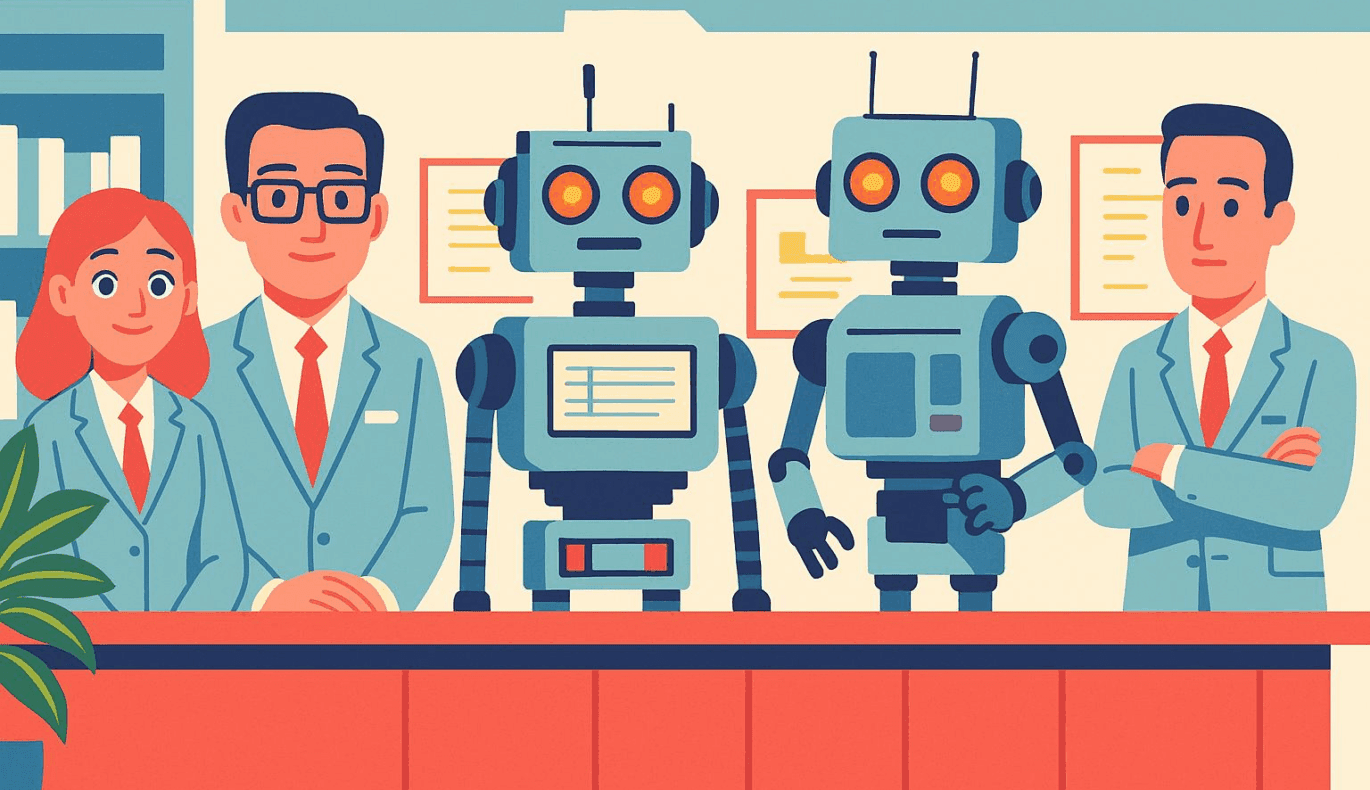
The rapid evolution of artificial intelligence (AI) has brought staggering changes not just in technology, but also in workplaces worldwide. It’s increasingly evident that the companies thriving in this AI-driven era are those adopting a culture where empathy and trust are integral.
It may seem odd to pair human emotions with complex, cold technology such as AI. However, it’s clear that empathy and trust are not just beneficial; they are essential for scaling change and spurring on innovation. Without trust in the technology and empathy towards its users, AI rollouts are less likely to succeed.
Too often, the tech industry is so eager to race towards the future that it forgets to consider the human element – the individuals who will use this technology in their daily lives. A successful AI rollout is not just about the accuracy of data, the fluency of algorithms, or how ‘smart’ the system is. It’s about how well the people using it understand the technology and trust it enough to let it assist in their day-to-day tasks.
The Role of Empathy in AI Implementation
Empathy plays a critical role in successful AI implementation. It helps in understanding the end users’ needs, their fears and concerns about the technology, and how AI can genuinely solve their problems. When technological advancements are rooted in empathy, they are more likely to be accepted and used effectively by the end-users. They will see it not as a threat, but as a tool built with understanding and respect for their needs.
In AI developments, empathy enables designers and developers to step into the users’ shoes and look at the technology from their perspective. It helps in tailoring AI solutions that are user-friendly, intuitive, and efficient at meeting the demands of its users.
The Essentiality of Trust in AI Usage
Similarly, trust plays a vital role in encouraging the widespread usage of AI technologies. Trust isn’t built overnight – it is earnt through transparency, honesty, and demonstration of reliability and utility. People must feel that the AI they are using can do the tasks it promises, won’t compromise their privacy, and operates transparently.
The more transparent a company is about their AI’s capabilities, the easier it is for users to understand—and trust—the technology. Clear communication about the limitations of AI, as well as the actions taken to ensure data privacy and security, can go a long way in fostering this trust.
In conclusion, empathy and trust are far from optional in the modern technological landscape – they are crucial. They bridge the gap between cold, complex technology and the warm, complicated humans who use it. In this age of AI, understanding the users’ needs and building their trust is not just the right thing to do; it is also the smart thing to do.
Specifically, empathetic design, mindful development, and transparent operation can propel AI from a point of fear to a state of fluency. With empathy and trust, the possibilities are limitless for what AI can do—for businesses, for societies, and for humanity as a whole.