
In a stride toward more dynamic artificial intelligence systems, researchers at Massachusetts Institute of Technology have developed a ground-breaking self-adapting language learning model. Say a warm hello to SEAL – the next leap in language learning models that is tipped to revolutionize our interaction with AI technology.
Introducing SEAL
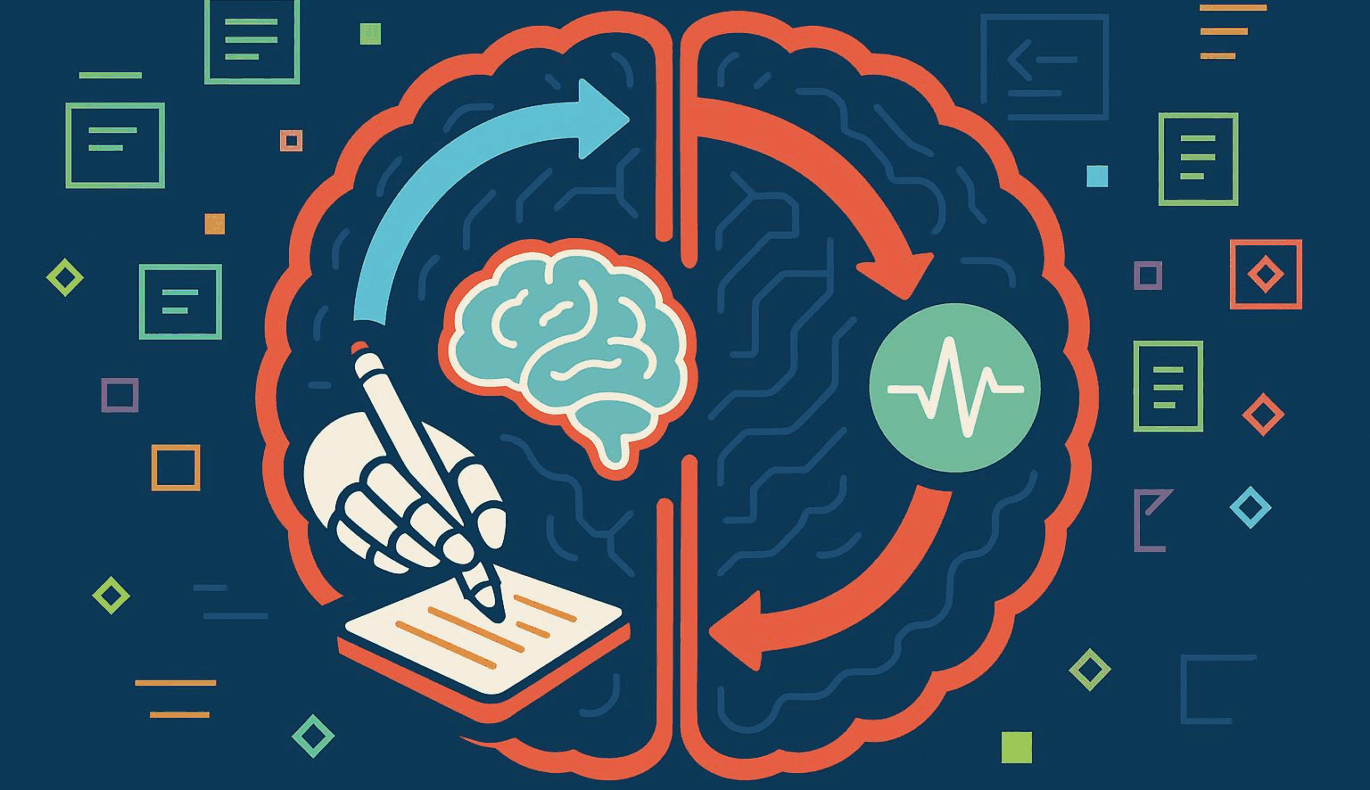
SEAL or Self-supervised Episodic Reinforcement Learner is a novel framework by the talented folks at MIT designed to give language models the power to continuously learn and adapt. Unlike traditional models that may fall short when it comes to handling new tasks, incorporating fresh knowledge, or tweaking their own performance, the SEAL is a step ahead. It transcends the learning boundaries that bind its predecessors, constantly evolving and adapting its processing prowess with the progression of time and data.
The Idea Behind The Innovation
The concept of SEAL is premised on elevating machine learning models to keep pace with the dynamism of the real world. Situations change, data grows, knowledge expands, and language evolves. As we live in a world that doesn’t stand still, it makes sense to demand AI that functions the same. Enter SEAL – a framework that empowers AI models to keep stride with a rapidly changing ecosystem by imbibing a continuous learning ability.
In what could be likened to the human capacity for lifelong learning, the MIT researchers envisioned SEAL to develop and adapt in response to new tasks and information. That’s right, SEAL is not just coded for a one-time learning session but adapts, learns, and grows with each new interaction.
This continuous learning capability of SEAL is a significant divergence from the prevalent ‘learn once and deploy’ models that dominate the AI landscape. Such static models are trained on a fixed dataset and deployed for use until a new version comes around, which could have limitations given the fluid nature of human language and communication.
Why Is SEAL Revolutionary?
Why SEAL is revolutionary boils down to adaptability and versatility. With its capacity to keep incorporating fresh knowledge and tasks, SEAL’s potential could be anywhere and everywhere language processing is essential, such as customer service, assisting professionals in decision-making, and even personalized tutoring.
SEAL’s continuous learning feature eliminates the need for frequent human intervention. It reduces the time, effort, and resources required to continuously update AI and ensures that the deployed models are always their best possible versions. Additionally, this continuous learning ability enhances agility, allowing AI models to promptly respond to changing circumstances or latest information.
The self-learning capacity of SEAL is a significant marker of progress that moves us towards creating AI that mirrors human cognition more accurately. It tweaks the unrealistic expectation of AI understanding all tasks possible right at deployment. SEAL points us to a future where AI learns and improves dynamically, accurately imitating the human capacity to gather, assimilate and apply knowledge on a continuous basis.
We stand at the cusp of an exciting era in AI. Harnessing the potential of self-adapting language models like SEAL may completely alter the AI landscape and redefine its interaction with human lives. As MIT researchers continue to refine SEAL, we eagerly anticipate the bounds it will break and doors it will open in the AI world.
To delve deeper, do take a look at the original article published on VentureBeat: Beyond static AI: MIT’s new framework lets models teach themselves.