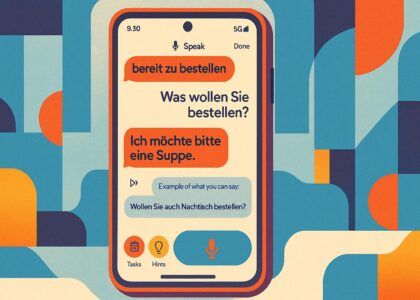


In today’s rapidly changing tech landscape, the ubiquitous voice of Alexa, Google Assistant, or Siri has arguably become part of our daily fabric. Voice Assistants (VAs) are powering conversations around us, helping with everything from simple tasks like ordering food to simplifying complex business operations.
However, while these technological innovations are indeed fascinating, it’s important to point out an often overlooked aspect – designing voice AI with inclusivity at its core. Particularly, addressing the needs of users with disabilities is not just about ensuring accessibility; it’s an untapped market opportunity for enterprises.
Rethinking Voice AI Design with Inclusion
If you take a closer look, user groups such as those with vision impairments or dyslexic individuals can get significant benefits from the advent of voice AI technology. They can use these intelligent systems for reading out web pages, controlling home devices, or even getting career opportunities. In this regard, the importance of building inclusive VAs cannot be overstated. It increases the usability and subsequently the acceptance of this technology among all user groups.
Historically, technology design has often overlooked the needs of those with disabilities. Industries must now shift gears and consciously invest their efforts to ensure that artificial intelligence, particularly voice AI, is truly ‘assisting’ everyone. This also aligns with United Nations Sustainable Development Goal 10, which seeks to ‘reduce inequality within and among countries’. It further emphasizes that empowering and promoting social, economic, and political inclusion irrespective of factors like disability is crucial in achieving overall development.
The Business Case: Untapped Market Opportunity
Usability and accessibility aside, building inclusive voice AI is, from a business perspective, an untapped potential. The World Health Organization (WHO) reports that there are over 1 billion people globally with some form of disability. That is about 15% of the world population that could make use of inclusive AI technologies to improve their standard of living significantly.
Successful inclusion not only facilitates improvements in life quality for this sizeable population segment but also opens up new business opportunities. Companies that prioritize building inclusive AI solutions can tap into this large market and establish a unique standing for themselves. It could be a significant differentiator in a crowded AI enterprise solution market.
Furthermore, it’s prudent for businesses to include disability considerations in their product design and strategy. In the era of cancel culture, any perceived slight towards the disabled community, like a product that doesn’t cater to their needs, can be disastrous for a company’s reputation. It can lead to boycotts, loss of consumer trust, and ultimately, a decline in profits.
In conclusion, as we inch closer to embracing voice AI as our aide in every facet of life, it’s vital to ensure these intelligent systems are developed considering every user- including those with disabilities. Not only is this an endeavor that fulfills social responsibility and inclusivity, but it also presents a lucrative business opportunity. It’s about time that enterprises adopting voice AI systems pay heed to this potential and direct their strategies accordingly.