
Artificial Intelligence, or more commonly known as AI, has made its way into every aspect of our lives. From your Facebook feed to your YouTube viewing recommendations, AI algorithms are constantly at work, tailoring the content you see to match your preferences, habits, and interests. But there’s a flipside to this. Is our love affair with AI creating a personalized reality that might, ultimately, warp our understanding of the world?
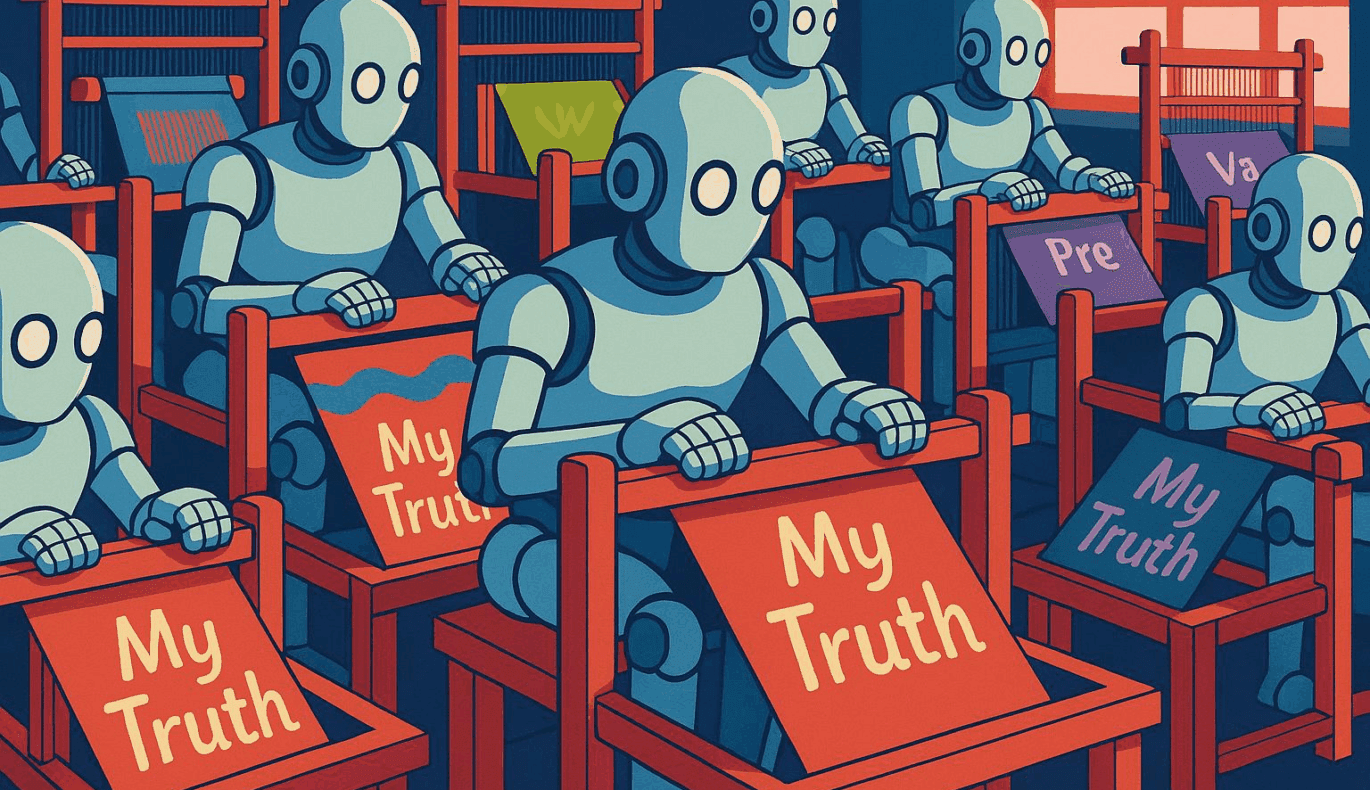
The theory isn’t beyond comprehension. With AI systems fine-tuning our information intake based on our online behavior, we’re faced with a landscape where each individual is fed a different version of reality, customized to their liking. This may sound alluring, but it subtly erodes our ability to agree on basic facts or navigate shared challenges.
The Personalization Trap
Our journey with the internet has always been a personalized one. ‘Cookies’, ‘search history’, and ‘retargeting’ are terms many of us are familiar with. Ostensibly, these create a better user experience, enabling platforms to tailor their offerings to individual preferences. But is this constant personalization feeding our biases and inhibiting our exposure to different viewpoints?
Think of the personalised recommendations that you receive while surfing online streaming platforms, or the hyper-targeted advertisements that pop up when you’re scrolling through social media. While at first glance these personalized experiences appear to be enriching your online experience, they are, in fact, continually reinforcing your existing beliefs and habits. This is the double-edged sword of personalization.
AI – Weaving or Warping Reality?
As AI grows smarter, the impact it has on reality becomes all the more profound. It is simplifying our lives, but at the same token, it’s also reshaping the way we perceive the world. When information is continuously filtered through algorithms programmed to deliver personalized content, we risk losing sight of the broader picture. The consequences can be polarized societies, extremism, and a general decline in the ability to debate and listen to diverse viewpoints.
As users, we need to be aware of the ‘filter bubble’ phenomenon. Essentially, our digital experiences are isolated in these bubbles, encapsulating us with only our preferred ideologies, views, and content. While it assures comfort, this bubble hampers our interaction with differing viewpoints, thus posing a risk of polarisation and a biased worldview.
This is not to completely vilify AI. It has its glorious benefits and has opened avenues never previously contemplated. The key is to strike a balance. As AI continues to learn and evolve with us, it’s crucial that we aware of its pitfalls, and consciously strive to ensure that our versions of reality aren’t clouded by the AI-driven personalization trap. Original article.