

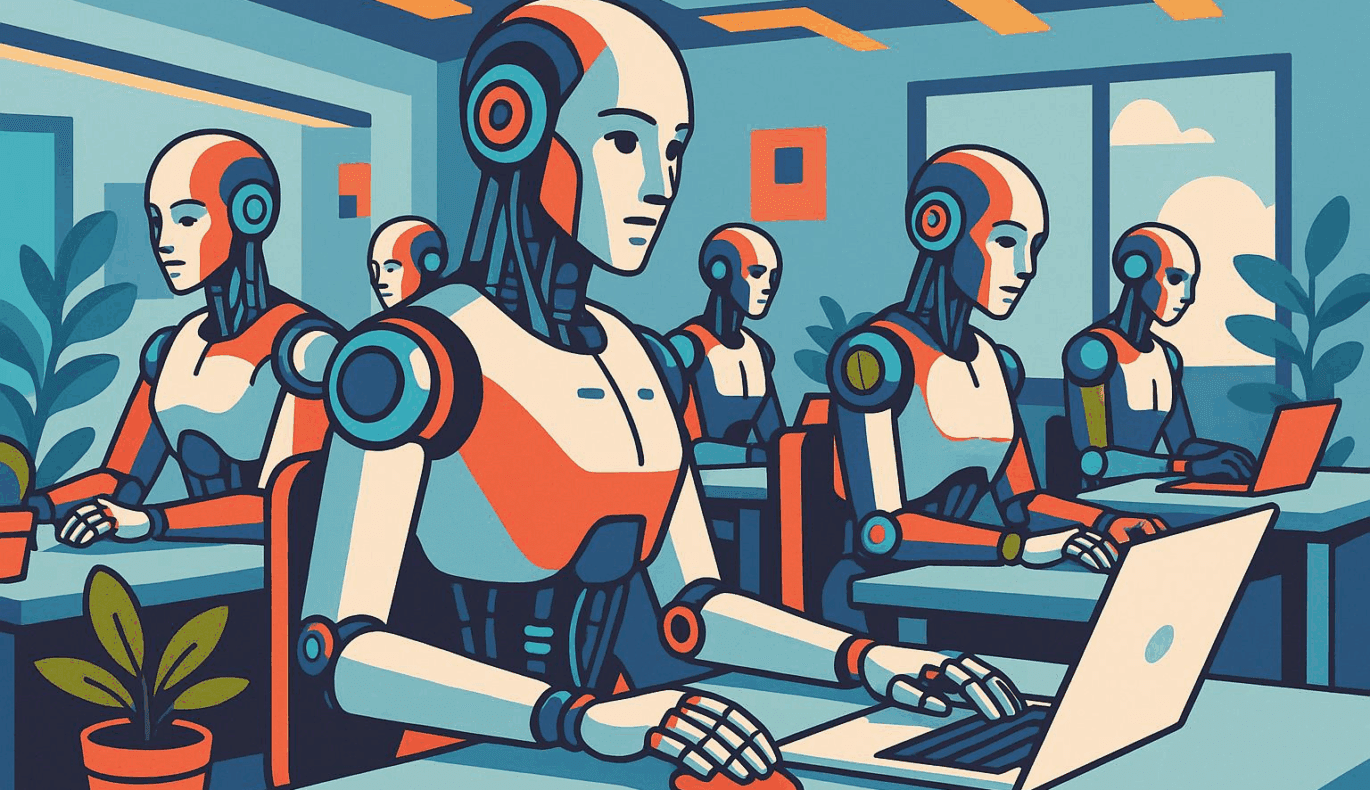
The advent of artificial intelligence (AI) has had a profound impact on various industries, and the field of software development is no exception. As AI continues to expand and evolve, it raises a fundamentally important question: how will it change the landscape for entry-level developers? Will AI become a gatekeeper or a game-changer? Drawing insights from an article from VentureBeat, let’s dissect this issue.
AI coding represents a significant shift in the structure of software development. It requires different skill sets, new operating frameworks, and a fundamental change in how we view the role of developers. Instead of manually writing code, developers may soon find themselves curating, coordinating, and commanding AI to accomplish their tasks.
This evolution might sound overwhelming, particularly for those just starting in the field. However, the rise of AI doesn’t necessarily signal the end for junior developers. Instead, it could broaden the spectrum of opportunities available to them.
Junior developers can, for instance, leverage AI to automate tedious tasks, such as bug detection, refactoring, and testing. By reducing the time spent on these tasks, they can focus more on strategic, creative, and problem-solving aspects of software development, making their roles even more vital and engaging.
Furthermore, AI doesn’t replace human intuition and problem-solving skills, which remain paramount in software development. Every AI tool, no matter how sophisticated, requires human oversight. Developers will continue to play a significant role in guiding, training, and managing AI tools, ensuring that they function correctly and ethically.
AI also opens the door to new career paths within the software industry. Those interested or skilled in machine learning and data analysis can explore roles that focus on developing and fine-tuning these AI tools. Additionally, as AI becomes more entrenched in our everyday lives, there is a growing need for professionals who can bridge the gap between technology and ethical considerations.
As changes loom on the horizon, industry players and educational institutions must adapt accordingly. Training and education should evolve beyond traditional coding skills to encompass AI and machine learning fundamentals and ethical considerations. By doing so, the next generation of developers will be equipped to navigate the future of AI-infused software development effectively.
The software industry stands on the cusp of an AI-driven transformation. While this shift brings uncertainty, it also offers immense potential to reshape software development in exciting and innovative ways. Embracing AI doesn’t mean sidelining junior developers – in fact, it might just be the key to unlocking new horizons for them.
For a deeper dive into this topic, consider reading the full article on VentureBeat.