

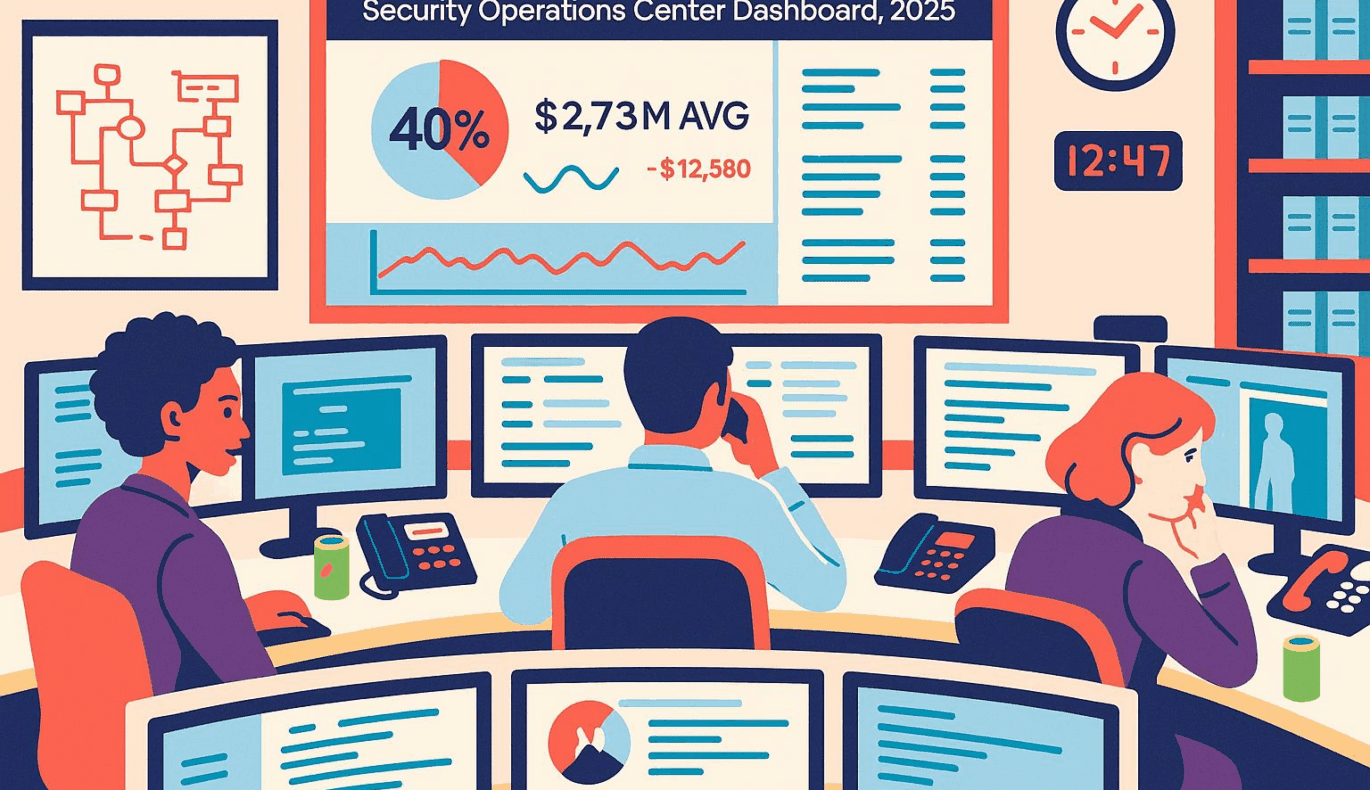
The landscape of cybersecurity is undergoing fundamental transformations. The traditional defenses no longer hold against the constantly evolving threats, sparking a seismic shift towards more innovative approaches. Today, more than ever, a significant injection of budgetary resources is urgently needed to navigate the murky waters of cybersecurity. The spotlight is now on software, commanding an unprecedented 40% slice of cybersecurity budgets. The sheer weight of software spending on cybersecurity signifies its central role in the battle against cyber threats.
Digitalization continues to redefine every sector of our economy and, along with it, casting a large shadow of cyber risk. In Global Risk Report 2020, the World Economic Forum ranked cybercrime as the third global risk for businesses. This sharp rise in cyber threats has compelled the world’s top executives, including Chief Information Security Officers (CISOs), to sit up, take notice, and reprioritize their budget structuring.
The world is moving into the era of AI warfare. CISOs are recognizing that real-time AI defenses are instrumental in protecting against today’s sophisticated cyber threats. Investment in AI-integrated software is expected to grow in the foreseeable future, becoming an essential part of every CISO’s arsenal.
Deciphering the Shift towards Software and AI
Why this turn towards software and Artificial Intelligence in determining cybersecurity budgets? Why are CISOs restructuring their budget allocations to prioritize these areas? There are a few compelling reasons for this trend.
Firstly, the cyber threat environment has become increasingly complex. Cyber attackers are becoming more sophisticated, employing complex tactics and leveraging new technologies such as AI and Machine learning to carry out attacks. Traditional cybersecurity tools that rely heavily on human monitoring and reaction are failing to keep up. Here, software steps into the breach, providing automated defenses that are not only more effective but also far-reaching.
Secondly, the sheer volume of data generated today complicates the situation. With the growing digitalization trend, businesses are creating and storing more data than ever. Protecting this vast data landscape from cyber threats requires effective data processing, which is impossible without the right software tools in place.
Lastly, but most importantly is the advent of AI and machine learning technologies. These technologies are capable of detecting and mitigating threats swiftly and accurately, offering the much-needed layers of protection in the complex and vast digital landscape. Additionally, AI can also predict potential attacks, providing an early warning system for businesses to take proactive measures.
Conclusion
In light of increasing cyber threats, it is becoming clear that software and AI integration into cybersecurity is not just an option but a must for businesses looking to defend themselves effectively. It is encouraging to see the trend of CISO’s restructuring budgets with a shift towards software and real-time AI defenses, and it’s obvious the trend is only going to intensify in the foreseeable future.