
Pinterest is always looking for innovative ways to enhance its users’ experience. In its latest move, it’s introducing a tool that takes aim at the artificial intelligence (AI) controlling our feeds. This tool, referred to as the “tuner” tool, will give users the power to tone down the AI influence in their feed, allowing for greater customization of content. However, while this opens up new avenues for personal control over Pinterest’s content, it’s not a complete AI off switch.
This feature addresses the often-troubling influence of AI in shaping what we see and interact with online. It’s an issue that Pinterest first publically acknowledged in May when they added an automated “AI modified” label to pins touched by AI influence. This acknowledgement came with the promise of improved detection tools and more noticeable labels, although full details on these enhancements are yet to be released.
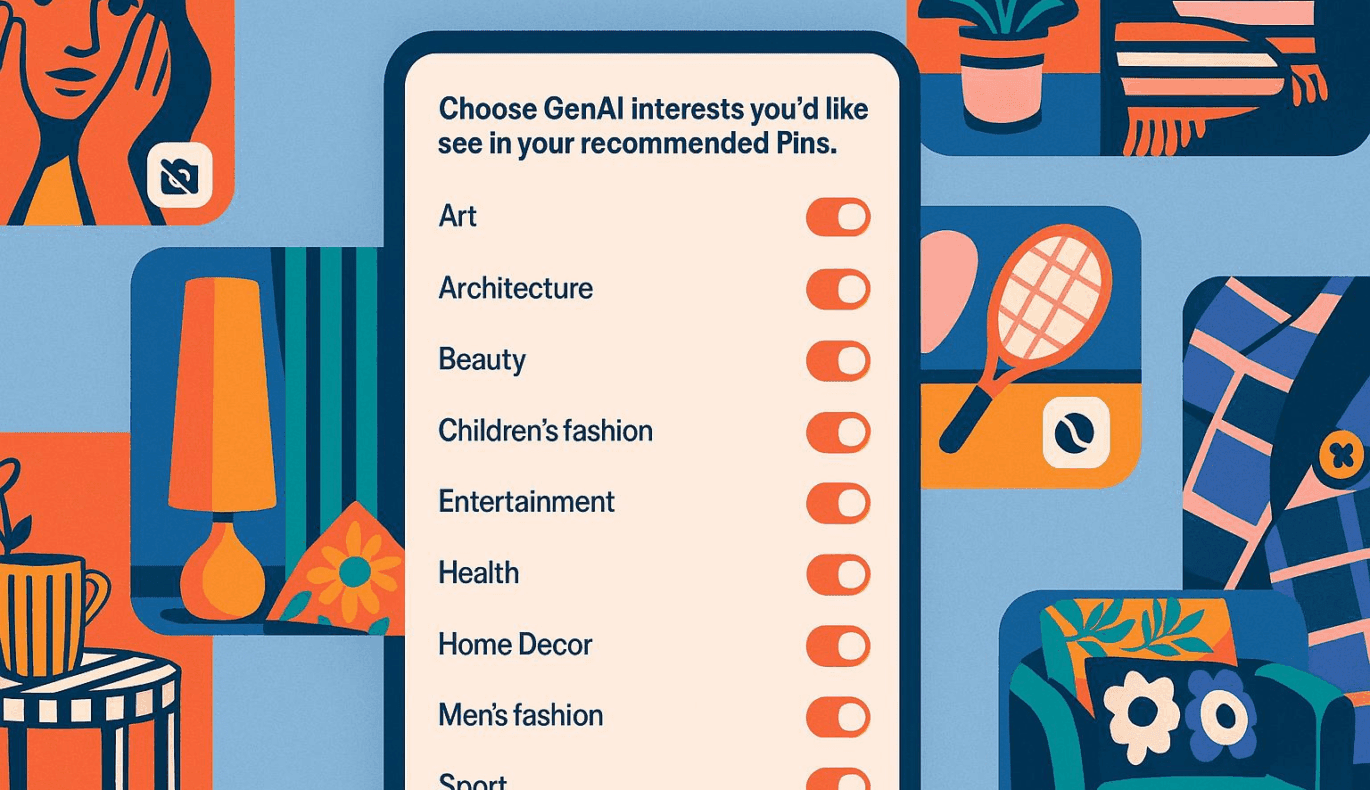
The “tuner” tool resides in the user settings under the appropriately named “refine your recommendations” section. More specifically, it’s situated in the “GenAI interests” tab. Users will have the freedom to select and adjust the categories they want to see more or less AI-generated content in. This adjustment effectively acts as an AI dimmer switch for their feed. According to Pinterest, this will only work on “eligible image Pins” in specific categories such as beauty, art, fashion, and home decor that typically see a high degree of AI content.
The change is not an outright ban on AI curation within Pinterest. Instead, it offers users more control and independently shaped browsing experiences. It tips the balance in favor of user preferences, enabling users to have a more hands-on approach in shaping their Pinterest world. The big idea here is not necessarily about revolting against AI but more about embracing the balance between AI-enhanced and user-controlled content.
Android and desktop users can already explore this feature, while iPhone users can expect access in the upcoming weeks. It’s a promising move towards giving users more control over their online experiences. With the continued evolution of AI penetration across online platforms, having the power to customize its influence is a welcome development. As for Pinterest, shedding some light on its “Pinfestation” problem and taking tangible steps towards a solution show a forward-thinking and user-oriented approach.
This article is based on information first reported by The Verge. You can read the original article here.