
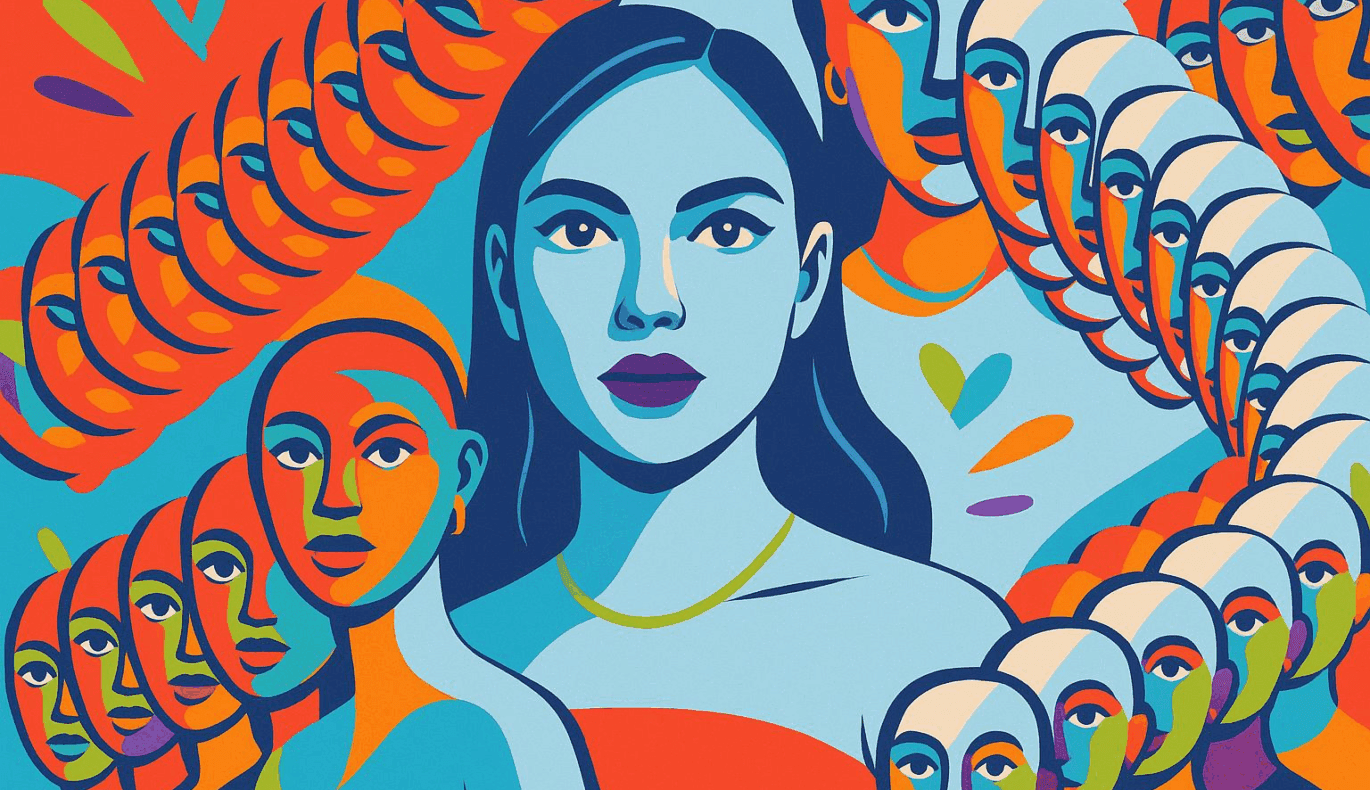
The world has seen rapid advancements in technology, especially in Artificial Intelligence (AI). The latest developments now enable AI to simulate people’s faces and voices, leading to potential prospects as well as challenges. A perfect example of this is the AI-generated song “Heart on My Sleeve” quite identical to Drake.
These technological leaps push the boundaries of what’s possible, but also throw us into uncharted territories of ethical and legal dilemmas. We need to tackle questions like – What are the bounds of this technology? How can we allow AI to use people’s faces and voices? Moreover, how should platforms accommodating these advancements respond?
First Signs
Back in 2023, the world got the first taste of this issue with the release of “Heart on My Sleeve.” For an untrained ear, the song could easily be mistaken for a new Drake track, owing to AI’s proficiency at simulating human voices. Little did we know, that was just the starting signal of a forthcoming cultural and legal war over the use of AI in simulating human likeness.
The release of this fake Drake track raised many eyebrows and set a precedent for numerous discussions over the implications of such technology. The questions, concerns, and debates it sparked were just the beginning of a broader dispute yet to unravel. A new era was dawning – where our faces and voices were no longer just our own but could be replicated and used by AI.
.
There’s no doubt that “Heart on My Sleeve” was the spark that ignited this debate. It foregrounded issues around privacy, identity, and copyright laws, urging us to reflect on the ethics of AI simulation technology. The tension between the potentials of AI and the pitfalls it could lead us into has never been more palpable.
As we witness the expansion of AI capabilities, it is crucial now more than ever to demand legal reforms that catch up with our technological strides. After all, the goal should always be to leverage advancement for progress while prioritizing ethical use and safeguarding against misuse.
As the boundaries between artificial and authentic continue to blur, we are left to ponder where we should draw the line. Adequate legal safeguards need to be put in place to manage these emerging technological territories. The day isn’t far when we may need laws to protect our very likeness from being misused. The legal frontier is on our doorstep. The question is: Are we ready to step over it?