

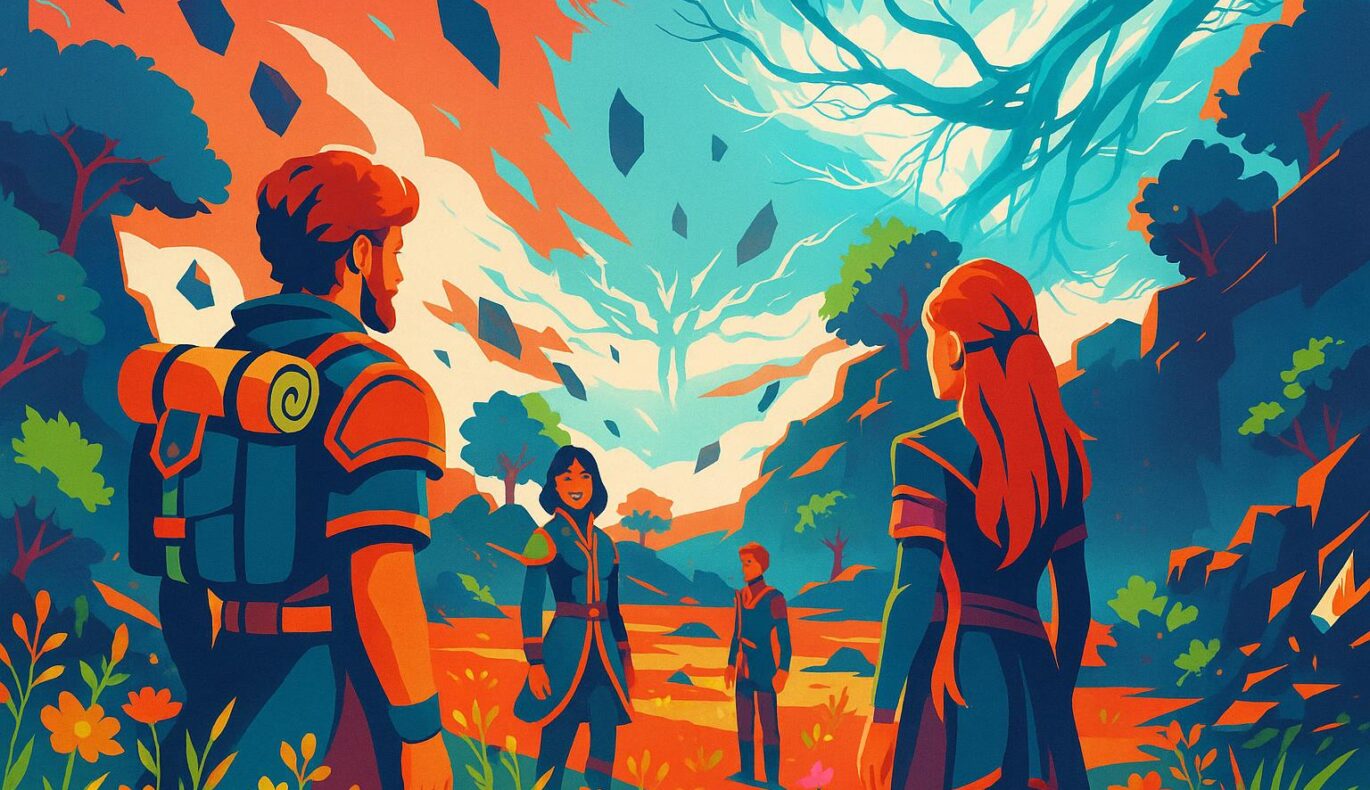
Just a week ago, the air was filled with celebration as Clair Obscur: Expedition 33, a popular indie video game, was awarded with the highly coveted ‘Game of the Year’ award at the Indie Game Awards. Following this great honour, the game was further recognized with the ‘Debut Game’ award. The team behind its creation, Sandfall Interactive, were undoubtedly on cloud nine after receiving not one, but two prestigious accolades, signifying the exceptional quality and engaging gameplay their brilliant creation boasted. But alas, the celebrations were short-lived.
An unexpected cloud of controversy, surrounding the usage of generative Artificial Intelligence (AI) in the game’s development, cast a shadow over the continued success of Expedition 33. This technological aid, it appeared, did not sit well with the rules and regulations of the Indie Game Awards. This resulted in a swift and rather shocking retraction of both awards that the game had so rightfully earned, just a few days prior.
According to the official rules of the Indie Game Awards, the use of generative AI is viewed with suspicion and disapproval. The potential influence of AI on the process of game development is a topic of heated debate within the industry, especially in the indie game circuit, where human creativity and personal touch are prized above all else.
When the game was first submitted for consideration, a representative from Sandfall Interactive categorically stated that no generative AI was used in Expedition 33‘s development process. However, as the controversial evidence emerged, it was clear that this was not the case, and the game’s triumph was quickly recast as an unfortunate saga of broken rules and eclipsed celebrations.
The Indie Game Awards were quick to comment, expressing their firm stance on the issue, completely condemning the usage of generative AI during the game creation process and the ceremony itself. The vicissitudes of this unfortunate twist added a bitter tone to the sweet memory of the accolades that Expedition 33 recently won.
The shockwave of this revelation is still reverberating through the indie gaming industry, with many players, designers and other stakeholders finding themselves at odds trying to understand the unfolding situation. As we discuss today, the criteria defining an award-winning video game is being questioned, with an implicit pressure on the industry to revisit its policies surrounding the use of AI in game development. Might the future see a relaxation of these rules, or will this situation just reinforce the strict condemnation of AI further?
It remains yet to be added to the chronicles of the gaming industry how this controversy will shape the landscape of indie game development. As of now, Expedition 33 finds itself both lauded for its exciting gamification and lamented over its controversial development. Much to be learned, indeed.
The full account of this surprising turn in events is available on The Verge.