

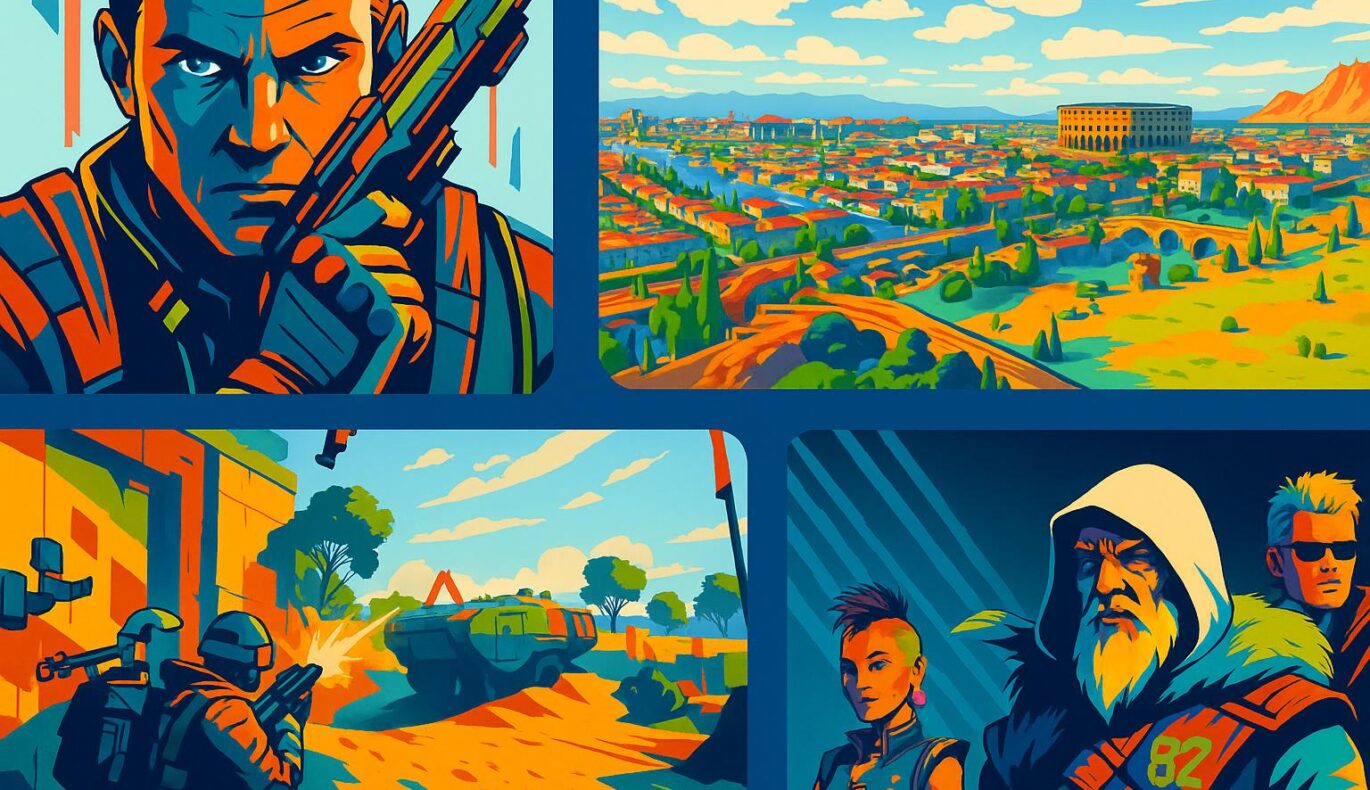
Generative AI Powering Video Games
In the continually evolving landscape of video games, 2025 emerged as the year generative artificial intelligence (AI) truly made itself felt. Unveiling itself in some of the year’s most renowned games, generative AI has been hailed as the industry’s new secret weapon for its remarkable, innovative capabilities. This cutting-edge technology has swiftly climbed the ranks, knocking NFTs off their pedestal as the industry’s buzzword du jour, causing a ripple of excitement and speculation across the gaming community.
Industry leaders from the world’s largest gaming studios have affirmed the growing prominence of generative AI, accrediting it to their expanding range of development processes. These champions of change herald the technology as a revolutionary force capable of reshaping the video game industry’s contours. Proponents argue that generative AI holds the promise of democratising the gaming landscape, by offering a myriad of possibilities for creation and exploration.
Resistance in the Indie Gaming Scene
But as enthusiasm swirls in some corners, others resist the AI wave. Developers rooted in the indie gaming space are at the forefront of this opposition, displaying considerable scepticism and apprehension toward the encroaching technology. Concerned about the potential dilution of creative and human-made elements in gaming, these dissidents defer from the mainstream and continue to hold the banner high for games free from generative AI’s clutches.
This counterforce against generative AI is far from mere stubbornness or resistance to change. Rather, it stems from a deep-seated commitment to maintaining the rich artistry and humanity at the core of indie games. Consequently, developers are devising methods to flag their games as bereft of generative AI, emphasizing their allegiance to traditional, human-centric game development.
Intriguingly, as generative AI continues to permeate the video game industry, these two camps – proponents and objectors – are likely to continue their paradoxical dance. The divergent views offer a stimulating glimpse into the shifting dynamics of game development and highlight the broader industry conversation about AI’s role in shaping creative ecosystems.
Undeniably, the consequences and potentials of generative AI in the gaming industry are still unfolding. Its true impact and how it will eventually reshape the industry’s landscape are yet to be fully seen or understood. Meanwhile, the debates it stirs up among developers tell an exciting story about technology’s evolving role in the creative process and the digital future ahead of us.