

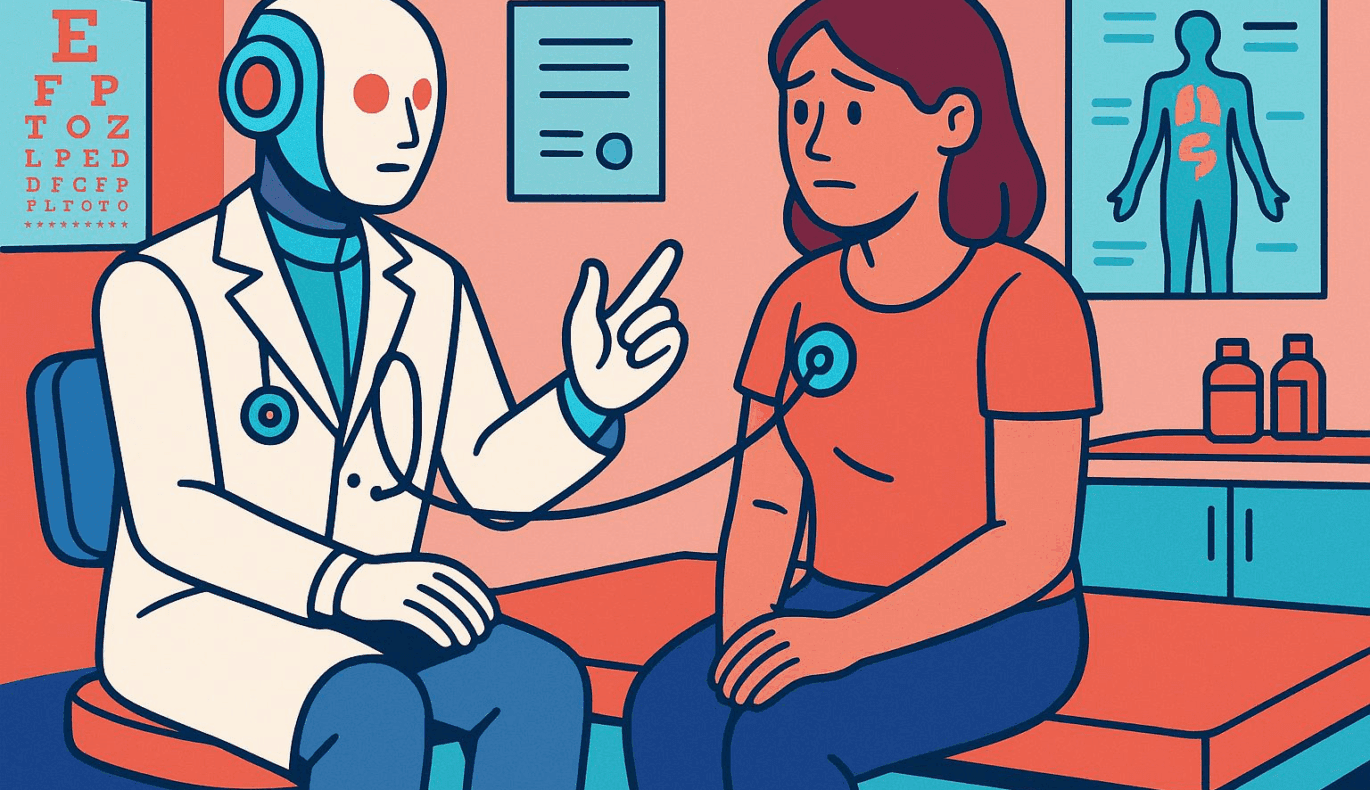
With the broadening landscape of technology, it’s no surprise that AI systems, like chatbots, are finding their places in various sectors. One of the most interesting applications in recent times is their use in assisting patients with medical inquiries. However, leveraging AI-based chatbots in the field of healthcare isn’t without its fair share of concerns and controversies. A recent study from the venerable Oxford University has posed a new question about the efficacy and safety of these chatbots.
According to the study, patients who use chatbots as a tool to assess their medical conditions might end up experiencing worse outcomes than they would by sticking to conventional methods. This suggests that even as chatbots represent a leap forward for technology’s interface with healthcare, there might still be significant hurdles to overcome when it comes to their practical application. While AI can assist in many areas, it appears the sensitive nature of healthcare might require more of a human touch than expected.
Chatbots vs. Humans in Healthcare
In the medical field, accuracy and empathy are paramount. Traditional healthcare providers are equipped with years of rigorous training and personal experience that underpins their diagnostic abilities. This human perspective enables them to deliver diagnoses which take into account not just textbook symptoms, but also subtle cues and overall patient history.
On the contrary, chatbots operate on algorithms and predictive models. While this does work well for a range of queries and concerns, it becomes quite limited when it comes to more complex or nuanced applications. It is here, in the grey areas of human health and emotion, where a digital interlocutor may falter.
Finding a Balance
Now, this isn’t to say that the role of chatbots is insignificant or ineffective in healthcare. There are millions of people who have no easy access to medical professionals or information. To such individuals, a chatbot is a significant step up. Furthermore, for simpler queries and health concerns, an AI could provide a quick and efficient response.
However, a balance must be struck to utilise both AI and human professionals effectively. The study’s findings should encourage the healthcare and tech industries alike to focus more on integrating AI-backed systems with human-delivered care, rather than trying to replace one with the other.
As we continue to welcome AI into our lives, we must remember to leverage its strengths while also acknowledging its limitations. In the context of healthcare, this means using technology to enhance, rather than replace, the empathy and understanding that human caregivers bring to the table.
The Oxford study is a reminder that in our foray into digital healthcare, we should take care to remember the value of a human touch in medical matters. It’s not about halting progress or resisting technology, but evolving with it in a way that still values and prioritizes human elements.
Original Article: VentureBeat