

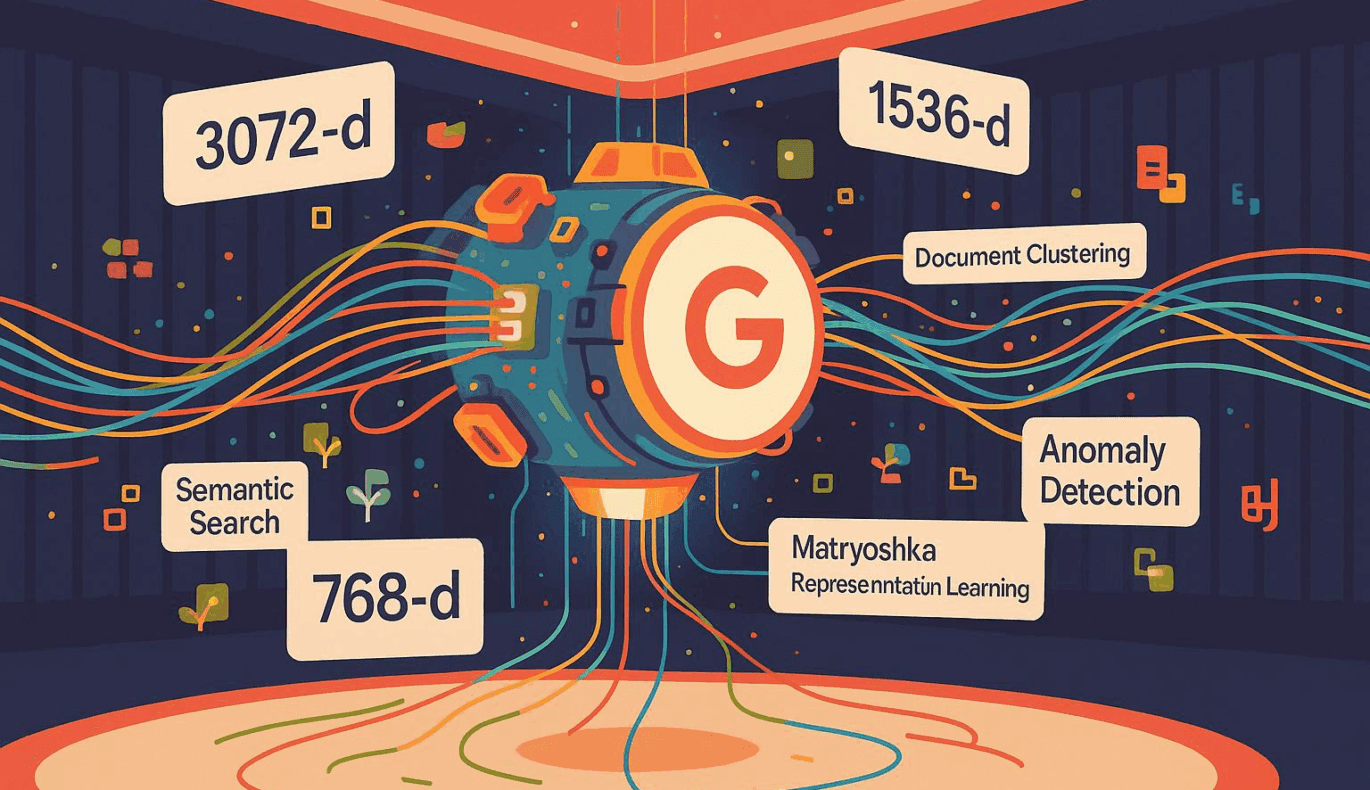
In recent years, the power of machine learning has increased exponentially, making impressive leaps in both accuracy and power. A key element behind this surge is the use of ’embedding models’, a technique that permits computers to simplify and interpret complex data. Google’s new Gemini Embedding model has seen a recent surge in performance, now leading the MTEB benchmark. However, it’s worth noting that its ascendancy has not gone unchallenged, and in fact, it is facing fascinating competition from some unexpected quarters.
The idea behind embedding models is to convert high-dimensional vectors—things like words, sound and even images—into lower-dimensional space. This technique is brilliant for handling convoluted data that has bewildered traditional machine learning models. Google’s Gemini is one such model that has shown remarkable performance in this domain. As per the recent results, it now leads the MTEB (Machine Translation Evaluation Benchmark), barely edging out numerous other contenders vying for the same spot.
Google’s Strides in Machine Learning
Google’s track record in innovative AI solutions is unquestionable, and Gemini affirms this fact. The tech giant’s AI model has raised the bar in the embedding model landscape with its remarkable performance and has earned the coveted top spot on the MTEB leaderboard. This is no small feat considering the sophistication of tasks undertaken and the stiff competition in the field. MTEB uses a wide range of tasks to gauge the power of different models, and Gemini clearly demonstrated superior performance across the board.
However, Google, being one of the leading figures in AI domain, faces constant challenges from both closed and open-source rivals persistently seeking to close in on the gap and offer improved models. This consistent rivalry fosters a scenario of perpetual innovation and advances in the AI scene that ultimately benefit end users.
The Spirited Challenger – Alibaba’s Open Source Model
In particular, the rise of Alibaba’s open-source model is worth noting. Despite being a relatively newcomer, it has incredibly managed to narrow down its difference with Google’s Gemini on the leaderboard. This shift suggests something intriguing about the not-so-distant future of machine learning and artificial intelligence. It seems that we may stand on the verge of an AI revolution – not just led by the typical tech giants, but increasingly powered by open-source alternatives. The tech landscape’s competitive nature ensures a continuous stream of fresh, innovative ideas and advancements that keeps fortifying the industry’s growth.
The race to the top of the embedding model leaderboard is just the latest battle in the ongoing war of AI supremacy. And while Google deserves applause for its accomplishments with Gemini, challengers like Alibaba’s model show there’s plenty of room for competition and fresh perspectives. This is wonderful news for the industry, as fierce competition often breeds innovation, allowing us to envision a future where machine learning is increasingly accurate, capable, and deeply integrated with our lives.
With exciting developments like these happening regularly, the machine learning landscape promises a thrilling future indeed! For more details about the Gemini model and the intense competition it faces, do check out the original article.