
Stepping into the shoes of an on-call engineer handling an e-commerce platform can be quite a tricky business, especially with the daily processing of millions of transactions at your fingertips. The system architecture, comprising multiple microservices, adds to the complexity of their environment by a significant degree; but as intimidating as it may seem, the challenge lies not in managing such a gargantuan system, but rather in handling the vast torrents of telemetry data it produces. We are talking about a diverse range of insights, from metrics and logs to traces, making it a Herculean task for anyone brave enough to take it on.
The real challenge comes knocking when faced with critical incidents. Much like looking for a needle in a haystack, on-call engineers find themselves confronted with the daunting chore of weaving through a sea of data to unearth the root cause of such episodes. They are left with no choice but to dive straight in, sifting and mining through the data to find the proverbial needle.
From Telemetry Data to Valuable Insights
So, how do you turn mountains of telemetry data into actionable insights? Enter Artificial Intelligence (AI). AI powered observability has emerged as a key player in the field of e-commerce and beyond, promising to bring a transformative shift in how we handle, analyze, and gain insights from data.
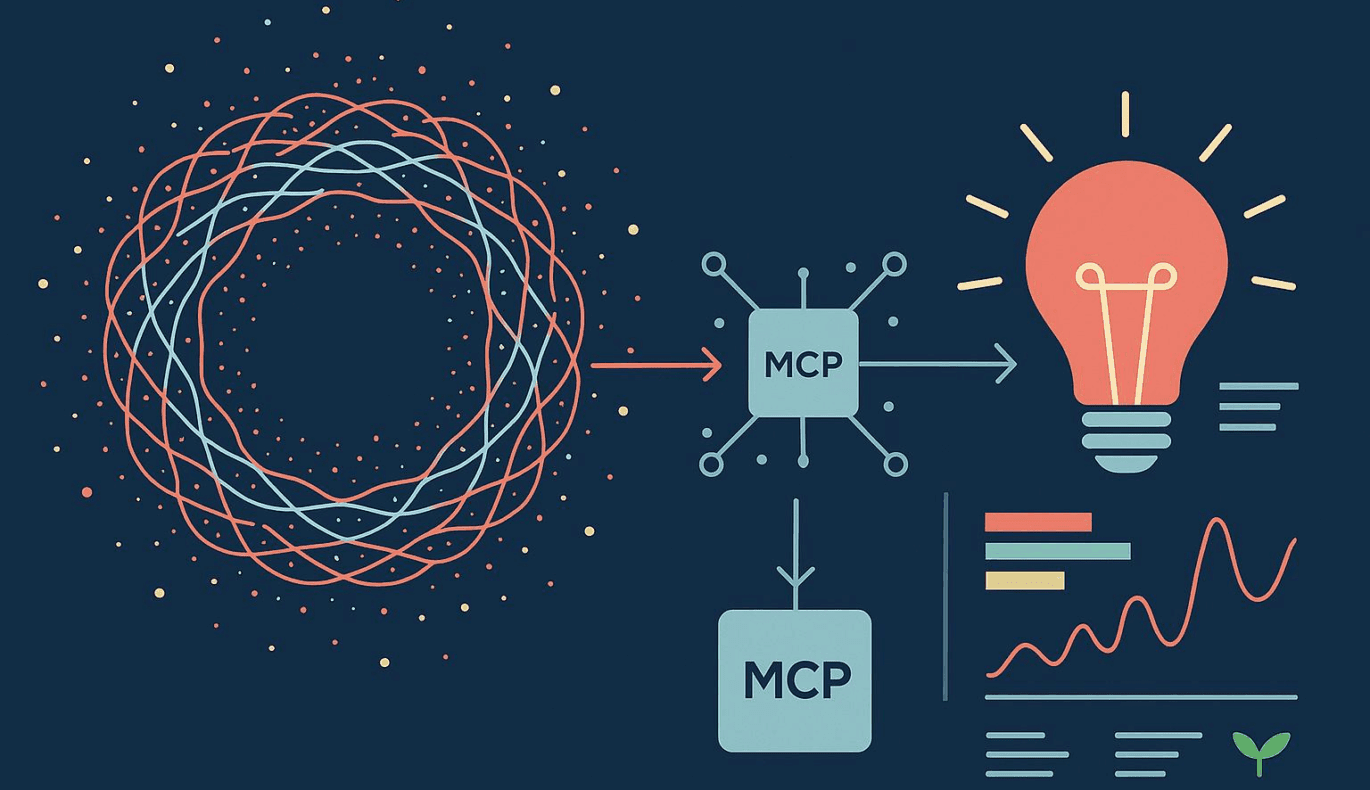
When applied to the architecture of e-commerce platforms, AI observability conjures up a robust framework that empowers engineers to convert raw data into actionable insights at an astoundingly fast pace. Going beyond simple data analysis, this process paves the way for predictive analysis and automation of responses to certain incidents, making life a whole lot easier for on-call engineers.
The Power of AI Observability
With AI-powered observability, engineers can reach into the core of issues within the system, hence enabling them to tackle the anomalies at a granular level. It is all about observing the system, learning from it, and making predictions about its future behavior. This process, in turn, allows engineers to pick out patterns and correlations, turning them into insights.
The AI does the heavy lifting, leaving engineers free to do what they do best – taking actions based on the insights provided. They can promptly address bottlenecks and take preventative measures against potential issues, making the system not just resilient, but also efficient.
An AI-powered observability tool essentially acts as a virtual assistant, helping engineers pinpoint sources of anomalies and detect incidents at a faster rate. It’s an all-seeing eye, gazing into every nook and corner of the e-commerce platform, ensuring nothing goes unnoticed.
In conclusion, the daunting task of wading through terabytes of data need no longer loom over the heads of on-call engineers. With AI-powered observability, we can turn telemetry data into insights and unleash a wave of efficiency across e-commerce platforms. With this approach, we’re making strides towards a more resilient and efficient system that can meet the demands of a fast-paced and ever-evolving e-commerce ecosystem effectively.
Original article: https://venturebeat.com/ai/from-terabytes-to-insights-real-world-ai-obervability-architecture/