
Decoding the Mysteries of Language Through LLMs
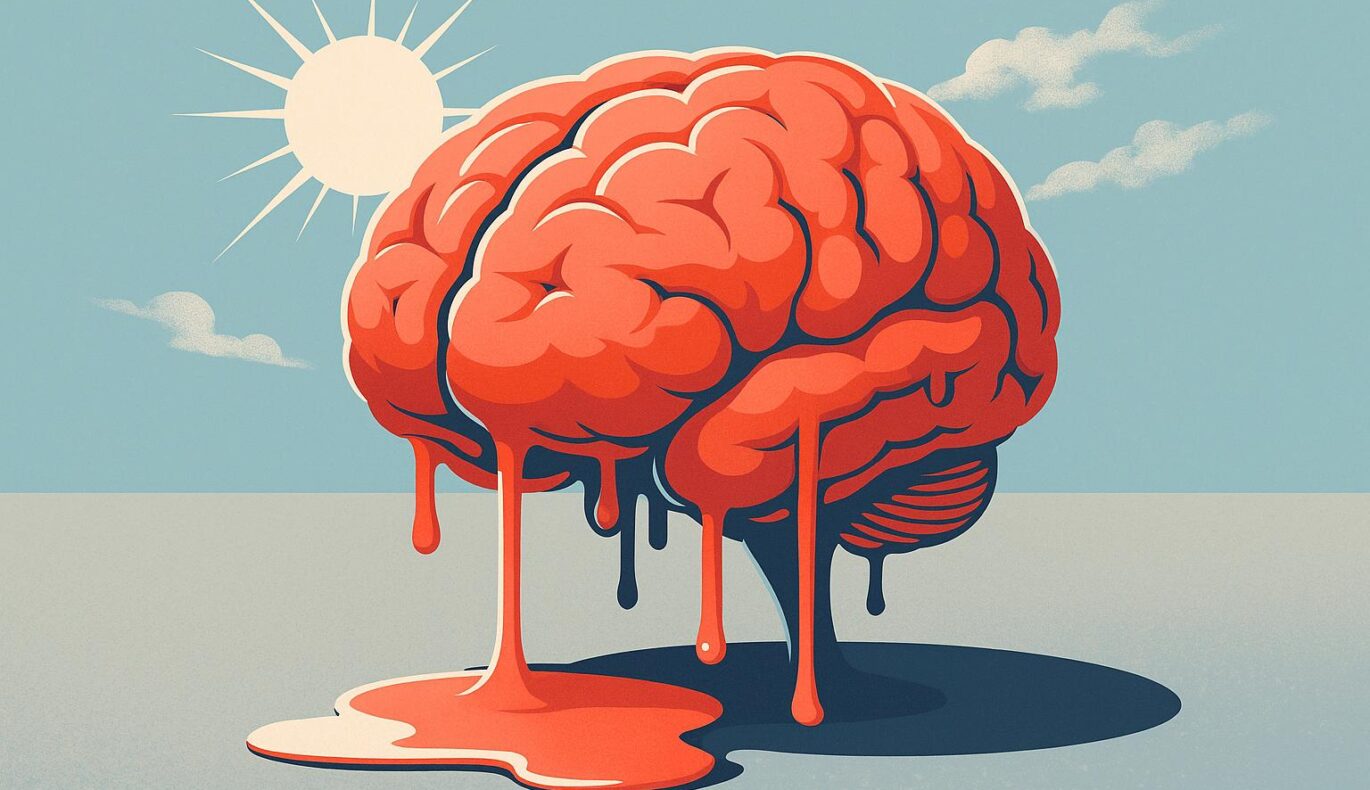
Imagine, if you will, a melting brain radiant in the sun – a graphic metaphor that underlines the potential long-term risks of the all-consuming All-In Podcast. This image is not born out of fear, but rather an insight into the breathless stride of modern technological advancements, led, in this case, by the study of Language Models (LLMs).
Every now and then, we stumble upon excited tech enthusiasts who are so wrapped up in their discoveries, they believe they have uncovered a truth of the universe. It’s a dance we’re all familiar with, and recently, I found myself waltzing once more when an acquaintance burst with pride over his newfound understanding of the relationship between knowledge and language through the lens of LLMs.
Hailed as a revolutionary tool in the linguistic field, these models can decipher and mimic our use of language with a striking resemblance to the human mind. By simply inserting a word into a program, such as ChatGPT, the complex algorithms would comprehend the user’s request. Even made-up words are processed and attempted to be understood. The revelation is that the entire corpus of English text carries deeper information about its speakers, offering a surprisingly intimate portrayal of human cognition and communication.
As his excitement cooled into a more reflective mood, he proposed an audacious claim: the significance of LLMs in understanding the hidden structure of language could be equated to the momentous discovery of writing itself.
The LLM Revolution: A Digital Epiphany or a Technological Folly?
This conversation is not just an isolated incident but represents a broader trend where the usually invisible realm of computational language research is breaking into everyday conversation. A fascinating discussion has been unraveled on the multilayered nuances that our language, especially English, carries within itself.
Some view this as the inevitable and evolutionary step forward, attributing an importance akin to our ancestors chiseling the first letters onto a stone tablet – the dawn of written communication. This notion, although compelling, is also rife with resistance from wonders and skeptics alike. Is it an overblown tech bubble destined to burst, or could it, indeed, revolutionize our understanding of the human brain’s mysterious workings?
While both perspectives capture our imagination and appeal to our desire for discovery, it’s essential to remain mindful of the potential risks such advances carry. The image of the melting brain should serve as a cautionary reminder that the enthusiastic embrace of new technologies should not cloud our examination of their long-term implications, especially when we’re dealing with human cognition’s fundamental layers.
So, what lies ahead in this brave new world where technology and language merge into fascinating uncharted territory? Only time will tell. But meanwhile, let’s continue the conversation, navigate the complexities, applaud the discoveries, and tread ahead, with due caution, into this exciting era of linguistic comprehension.
Find more insights about the world of tech and AI in the full story at The Verge.