

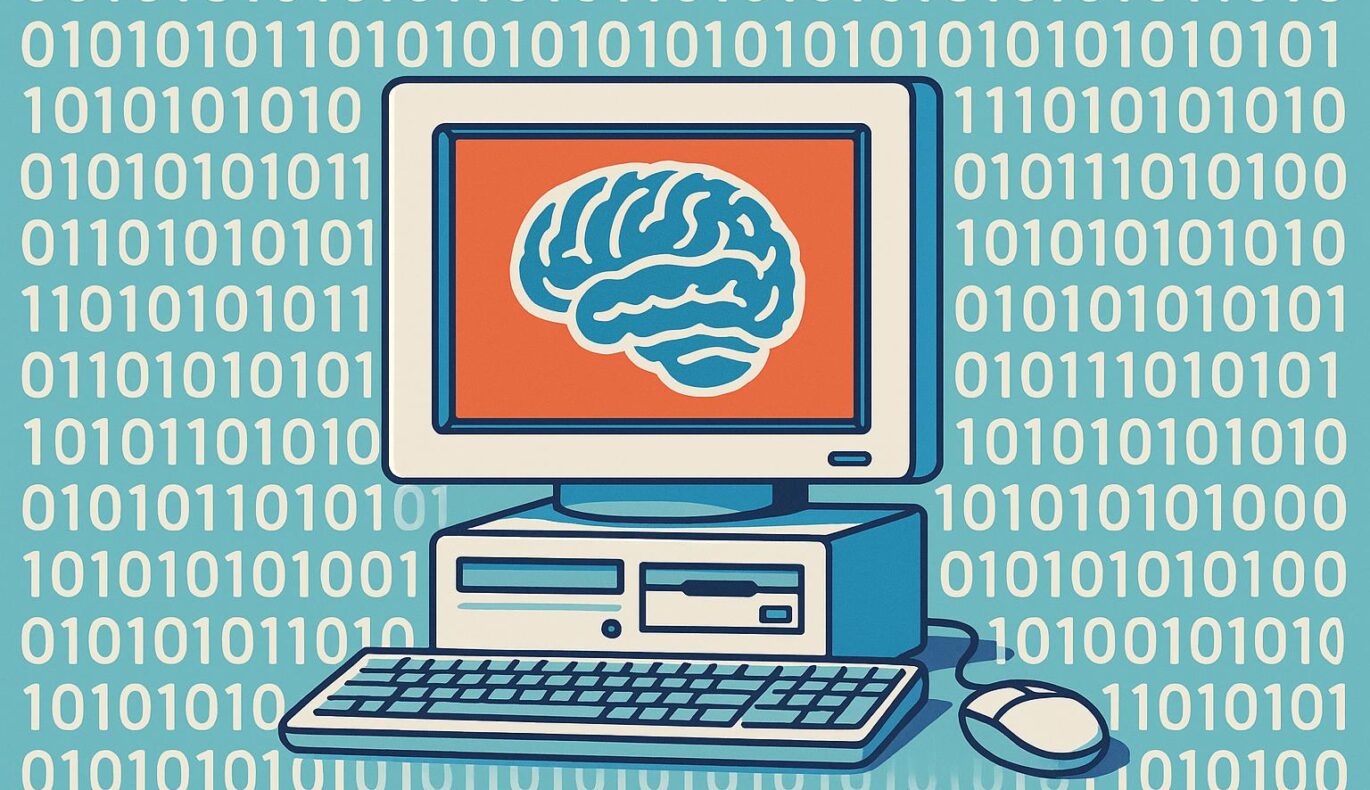
Artificial intelligence (AI) has already made a profound impact on diverse sectors of modern life — from creating personalized shopping experiences to advancing medical discoveries. Now, the transformative power of AI is set to revolutionize another front: your operating system.
According to a recent post by Jon Seager, VP of Engineering at Canonical, Ubuntu, one of the most widely adopted Linux distributions, is preparing to embrace AI in a significant way. In a roadmap laid out by Seager, Ubuntu is set to integrate AI features that are designed to augment the usability and functionality of the operating system in the coming year.
So, what does the future of AI in Ubuntu look like? Seager’s blog post reveals that these enhancements will arrive in two primary iterations. The first will subtly boost the existing features of the operating system with the help of AI algorithms running silently in the background. The latter, however, will introduce ‘AI native’ attributes and workflows, tailored specifically for those who seek such advancements.
Accessibility improvements stand at the forefront of the proposed upgrades. Imagine using an operating system that proficiently converts speech into text and vice versa, thereby creating a more inclusive and accessible environment. This could particularly benefit people with disabilities, language learners, or professionals who extensively use transcription services.
But the AI infusion in Ubuntu isn’t stopping at just enhancing accessibility. Under Seager’s vision, the Linux distribution will also accommodate agentic AI features. These are AI tools capable of acting on behalf of the user to execute complex tasks, elevating the operating system’s usefulness to entirely new heights.
Wouldn’t it be incredible if your operating system could autonomously sort your emails? Or what about an AI learning your usage patterns and automatically optimizing your system’s performance? These are just a few examples of what’s potentially on the horizon as Canonical sets Ubuntu on a path towards a smarter, more intuitive user experience.
Although implementing AI technology into an operating system still presents many challenges and the exact nature of enhancements remains to be seen, one thing is clear: AI is gradually becoming a fundamental part of how we interact with our machines. By integrating AI into Ubuntu, Canonical is not only upgrading their most popular product, but also redefining what we can expect from a Linux distribution.
While we wait for these changes to roll out, there is palpable buzz surrounding what an AI-powered Ubuntu might bring. From fostering inclusivity to automating tasks, it seems that Ubuntu is poised to offer an OS experience steeped in the potential of AI. The evolving technology landscape continues to inspire and hold us in anticipation when we think about what’s coming. It is, after all, an enthralling time to be a part of this AI-propelled world, don’t you think?
For full details about Canonical’s ambitious plans, visit this article on The Verge.