

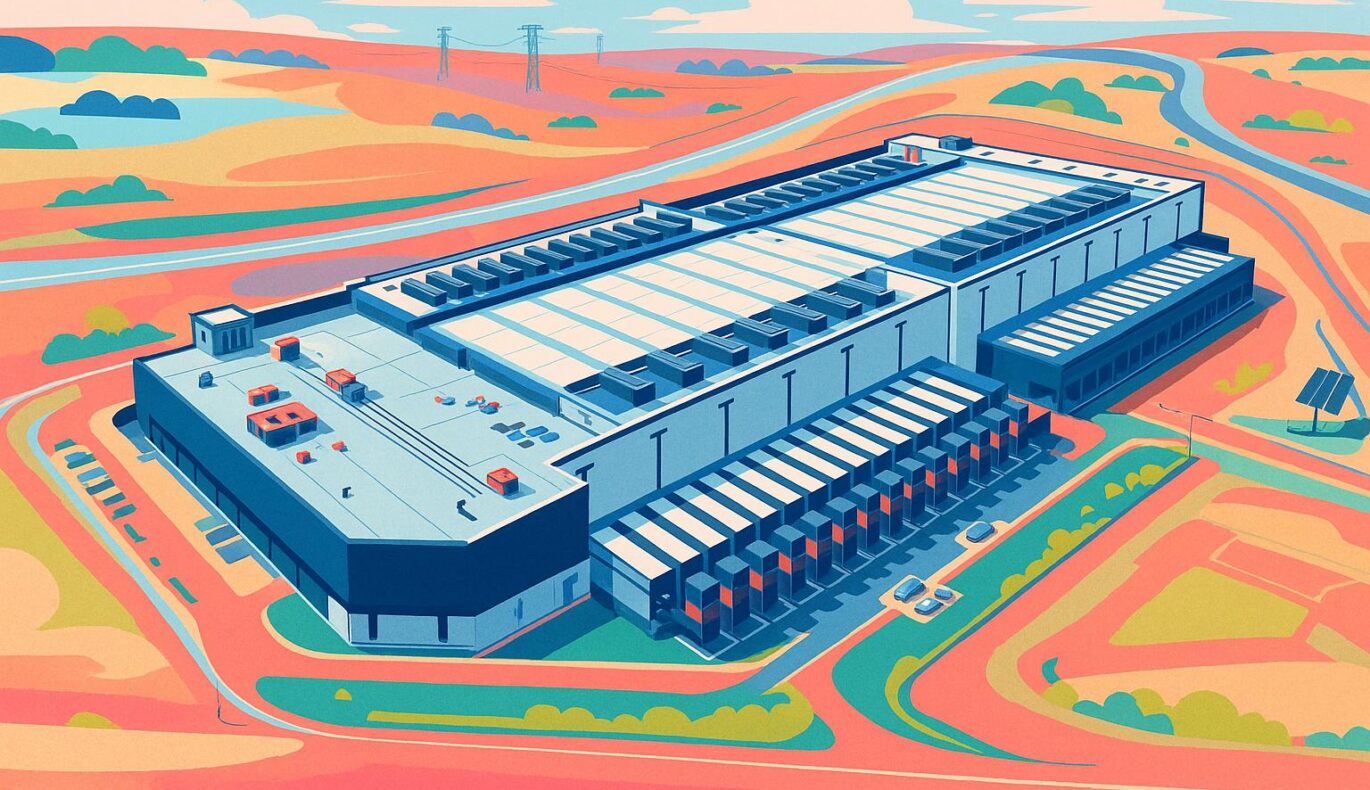
A Glimpse Into Shelbyville’s Data Center Controversy
Shelbyville, a small city in Indiana, USA, is currently making headlines, not for a straightforward reason like a joyful town festival or a local turning hero, but rather due to a modern-day dispute that highlights the complexities of the digital age. The situation revolves around a proposed $2 billion data center that is dividing the town, politically, economically, and morally. Expectedly, the plans have generated a hailstorm of public opinion, drawing clear battle lines across the city’s landscape.
The saga took an unforeseen twist when Shelbyville’s mayor, Scott Furgeson, was captured on camera making a dismissive comment regarding the “No Data Center” signs that started popping up around the city, particularly in residential areas. The mayor was heard describing the houses displaying these signs as “shitty” and notably, as mostly rentals. That statement sparked the dry tinder of contention into a full-blown fire, fueling the already fiery debate about the proposed data center.
One resident in the now viral clip quickly retorted, stressing that the homes in question were “working class.” Another voice was also heard reminding the mayor of perhaps one of the most vital principles of democratic leadership: “it doesn’t matter whether they’re rentals, they’re still humans.”
The Intersection of Digital Progress and Civic Concerns
This controversy illuminates an emerging issue at the intersection of digital progression and local community concerns. Data centers, as critical infrastructure for the digital industry, are becoming increasingly common. They store, process, and distribute vast amounts of data that enable businesses, governments, and individuals to function in our digitally-dominated era.
However, they also present significant challenges. Among them is the polarizing effect they can have on communities, as evidenced by Shelbyville. These mammoth infrastructures can elevate local economies through job creation and increased property value. Conversely, the potential disruption of local environments, possible energy capacity overload, and fear of gentrification can incite significant opposition.
The Mayor’s divisive comment, though unfortunately worded, brings forward an often overlooked aspect of this debate – the perception of who benefits and who loses from such developments. It’s a common narrative in many struggles that hinge on the fault lines of socioeconomic disparities in our world today. And that story is unfolding, in real-time, in the town of Shelbyville, Indiana.
For the full details of this developing story, check the original piece at The Verge.