

It’s no secret that we live in an age of technology, with advancements in artificial intelligence (AI) leading the way. These developments come with many benefits, such as the automation of tedious tasks, data analysis at unprecedented speeds, and the ability to make predictions with high accuracy. However, have you ever stopped to think about the environmental implications of these technological advancements, particularly in terms of electronic waste, also known as e-waste?
“E-waste is the fastest-growing waste stream in the world,” according to the World Economic Forum. And now, a recent report has brought forward an alarming finding: the e-waste generated from the AI boom is significantly higher than previously estimated. This startling revelation tells us that it’s high time we turn our attention towards the dark side of the AI revolution – its environmental impact.
This report places AI e-waste as potentially producing enough trash by 2050 to fill 23 million shipping containers. That’s enough 40-foot containers to circle the globe six times if lined up in a row. This updated estimate leaves previous ones in the dust as it takes into account the entire infrastructure needed to support servers at data centers, expanding the scope beyond just the physical servers themselves.
The nonprofit Basel Action Network (BAN) argues this scope is necessary for a true understanding of AI’s environmental footprint. Even though AI models might feel intangible, weightless, and without physical presence, the technology required to process, store, and run these models is very much material and has an environmental cost.
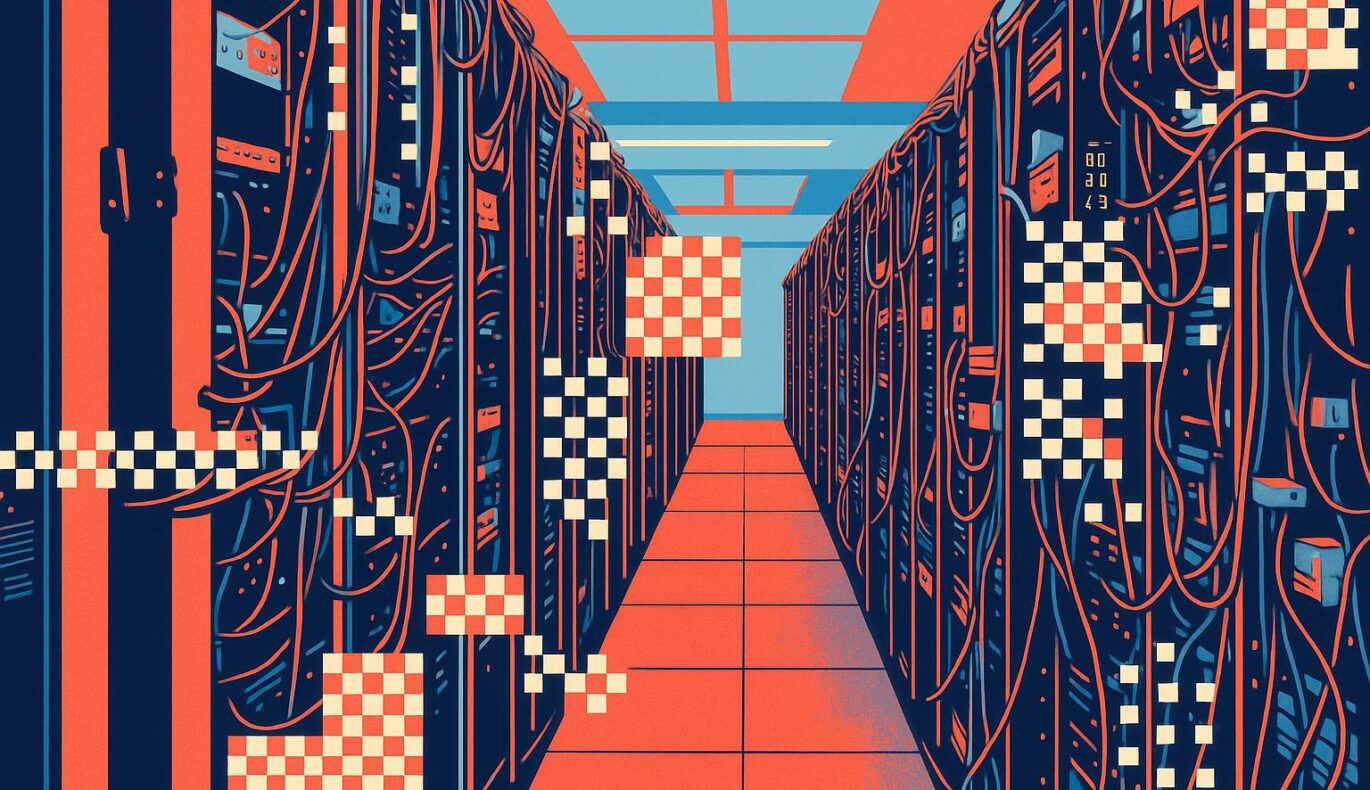
Much of the discussion on e-waste has been about the disposal of our everyday devices such as smartphones, laptops, and tablets. However, with AI permeating almost every aspect of our lives – from predictive searches on Google to Netflix recommendations, navigation apps, and even in the medical field for diagnosing diseases – the conversation urgently needs to expand to take account of our digital infrastructures too. These include vast server farms that store and process mountains of data, and which go largely unnoticed by most people.
It’s critical that as we continue to lean on technology and AI, we don’t lose sight of our environmental responsibilities. The first step towards this is recognising the true scale of the AI’s environmental impact and starting a dialogue about sustainable solutions. As we look towards a future increasingly reliant on AI technology, we should also look for opportunities to limit its e-waste footprint, be it through greener technologies, effective recycling programs or changes in how we design and use these technologies.
We can all play a part in addressing this issue – from tech companies that produce the hardware, to politicians who can implement e-waste regulations, and consumers who can adopt more sustainable choices. The AI revolution is undoubtedly an exciting one, but in the midst of it, we need to ensure that we’re not leaving behind a legacy of e-waste for our future generations to deal with.
This article is based on the original story at The Verge.