
The recent winter storm that engulfed 34 states across the US, has left hundreds of thousands of Americans in the cold and dark. As Winter Storm Fern recedes, the freezing temperatures left in its wake continue to push power grids to their limit. These grids, already strained from the surge of new Artificial Intelligence (AI) data centers, now battle mother nature as they struggle to keep the lights on.
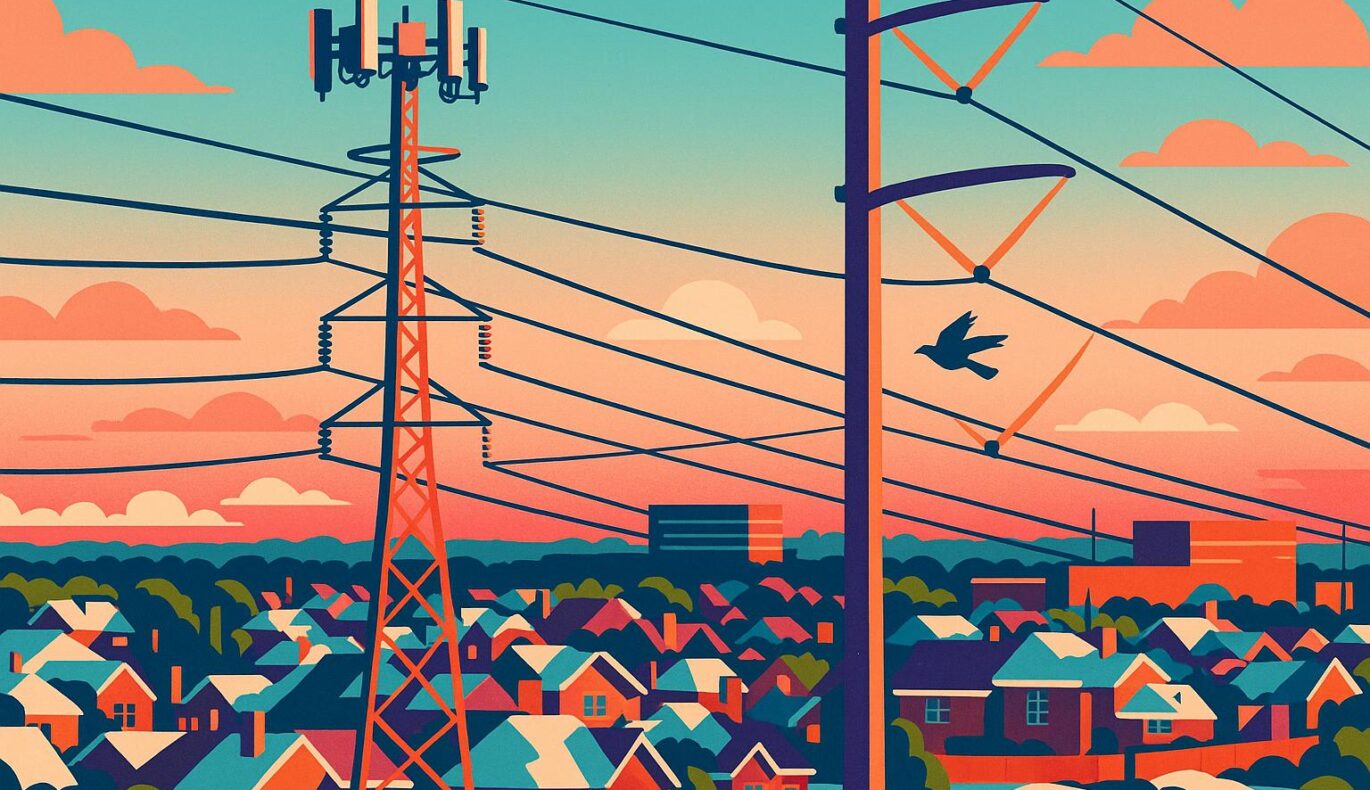
During this crisis, power lines became refractive art installations braiding the Texas sky, becoming both symbols of resilience and fragility. Underneath, homes blanketed in a sea of white braved the frigid conditions, their occupants clutching onto the dwindling hope of a warm recovery.
A monumental rise in energy demand witnessed over the weekend has seen wholesale electricity prices soar, particularly in Virginia – the state hosting the highest number of data centers. While price hikes during high-energy consumption periods aren’t unusual, this sudden surge could potentially amplify the already growing discontent over escalating utility bills.
The rising costs of electricity are indeed a matter of concern for American households. However, this issue has taken up a new dimension with the growing opposition towards data centers spreading across the nation. Thousands of families and industries dependent upon the power grid feel the pinch of increased energy consumption by these data centers, making the argument against them stronger than ever before.
In a country struggling to satisfy its energy needs, the constant demand for more power by AI data centers is already a cause for concern. But, when this is coupled with a severe weather event like Winter Storm Fern, the problem increases twofold. As affected regions grapple with their energy needs, concerns about meeting the increasing power demand from AI data centers become ever more pressing.
With this winter storm still fresh in everyone’s mind, it’s more evident than ever that innovative solutions are necessary to balance the need for technological advancements and basic human necessities. The issue is not just about managing unforeseen weather events. It is also about ensuring that the energy needs of everyday Americans are not compromised due to the surging energy demands of a handful of businesses.
This experience acts as sobering reminder of the urgent need for sustainable power solutions. As we continue to step into an era dictated by data, the resilience of our power grids and affordable access to power for all must remain at the forefront of our planning and policies.
As we move forward from this catastrophic event, there’s hope yet. Perhaps the bleak midwinter could provide the impetus we need to look beyond our current energy solutions and explore new avenues. Our survival and prosperity depend on it.
Crédito: Lee la historia completa en The Verge..