

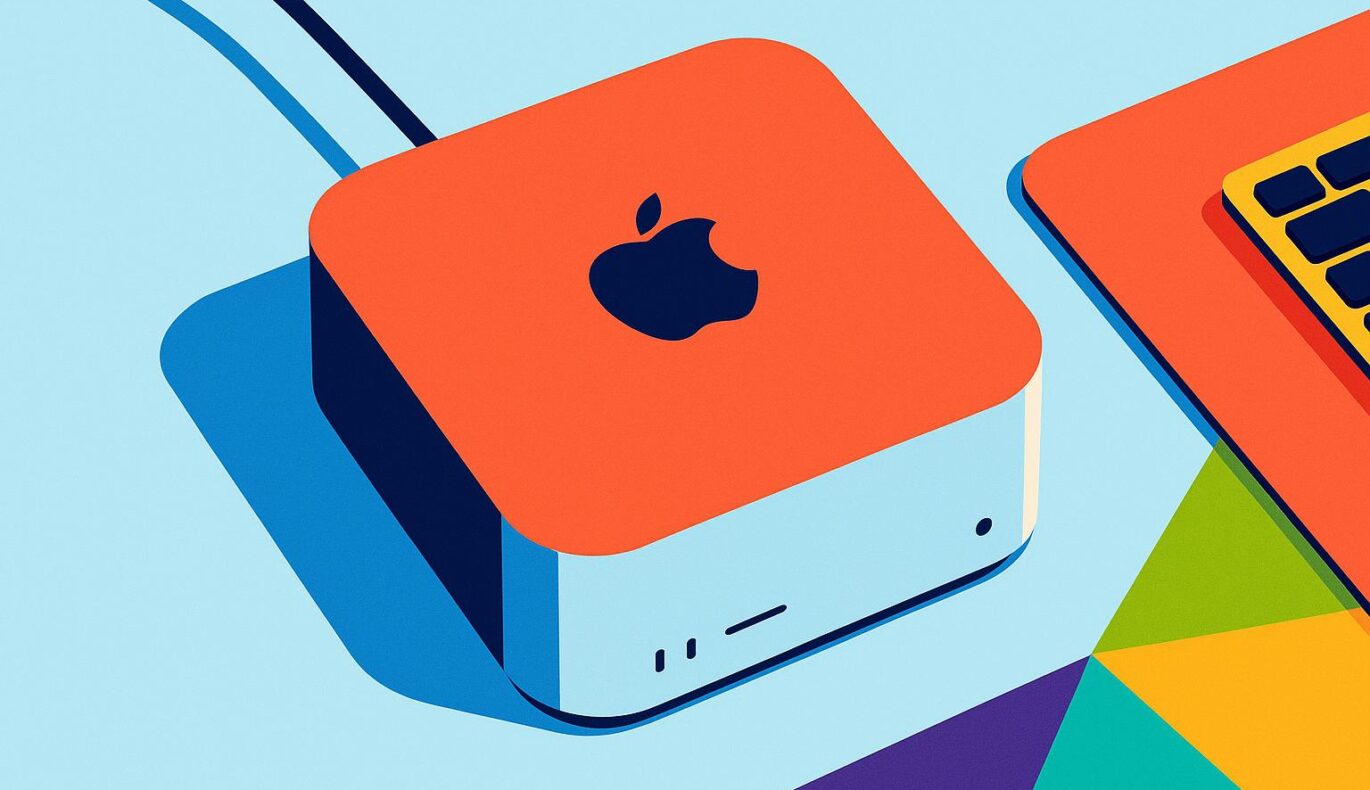
In a surprising turn of industry giants Meta, the parent company of Facebook, has teamed up with Apple to introduce the new Muse Spark Open AI model. Meta bills it as the “most capable US open-weight model to date.” What sets it apart in this caliber of AI modeling is that for the first time, it can run seamlessly on your personal desktop using just two Apple M5 Ultra Mac Studios, coupled with the latest MLX framework.
While one might expect Meta and Apple, recognized as iconic rivals in the tech industry, to keep their developments separate, this operation saw them swimming in the same direction. What emerged from this unexpected collaboration is a powerful and incredibly robust AI model accessible from your desktop.
Meta CEO Mark Zuckerberg publicly confirmed the collaboration in a post, saying, “Muse Spark Open – weights releasing today – runs great on new Mac Studios thanks to work with @johnternus and Apple.” Zuckerberg’s compliment was reciprocated by Apple’s new CEO John Ternus expressing his pride in the joint venture with a congratulatory message to the team. Ternus added, “Amazing to run a model of Muse…”
The creation of the Muse Spark Open AI model represents a significant stride in the advancement of AI technology, transforming how we use artificial intelligence in our everyday lives. The compelling partnership between Meta and Apple underscores the potential of collaborative innovation in propelling technology forward, rendering possibilities we may have deemed unlikely.
No longer are these powerful AI models distant, obscure concepts nestled in some highly-advanced tech lab. They are now entering our homes and workplaces, and we are just starting to interact with their potential. With powerhouse tech companies like Meta and Apple joining forces in AI’s deployment, the future of intelligent computing seems boundless.
However, it also raises several questions – what does this mean for AI’s future direction, accessibility, and our escalating reliance on these technologies? As we navigate through this newly charted territory, it will be fascinating to witness how these developments transform our relationship with technology.