

Description
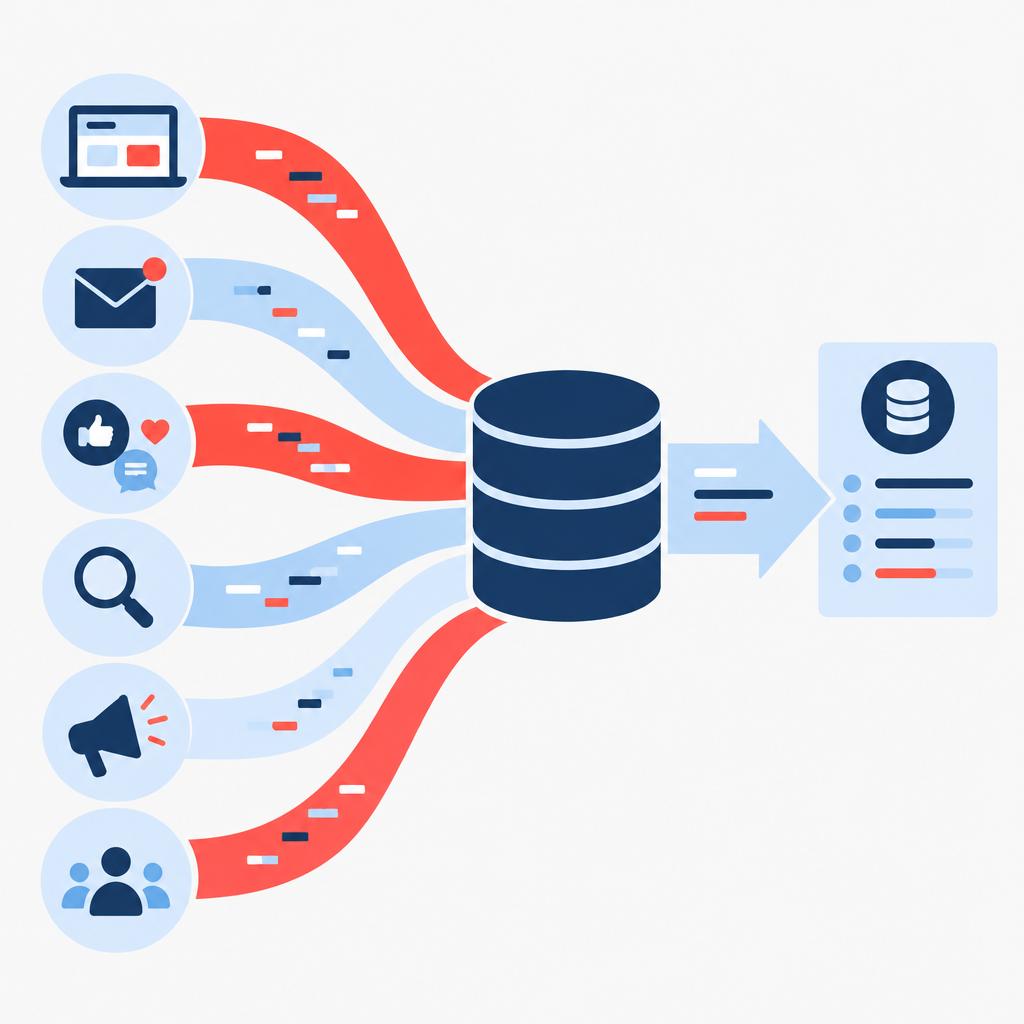
This managed service cleans up cross-channel lead data, resolves inconsistent source tags and produces a single, defensible attribution for each lead. It helps marketing and sales teams make budget and routing decisions from reliable source data instead of guessing from fragmented inputs.
implementi.ai configures the integrations, operates the data pipelines and maintains the attribution logic month-to-month. We handle exceptions, keep the automation running, and deliver short decision briefs or alerts so teams can act on emerging trends.
Le problème
Without automation, lead-source data arrives in many shapes: different UTM tagging styles, referral strings, ad-platform parameters and CRM fields. Teams spend time reconciling who sourced a lead, duplicate or incorrect source values create misleading campaign performance reports, and manual fixes are slow. As the number of channels and campaigns grows, these inconsistencies compound: conversion reports disagree with CRM records, paid media optimisation works on noisy signals, and sales routing rules misfire because source fields are unreliable.

Ce que cette solution automatise
This product standardises, enriches and acts on lead-source data across systems. The managed automation continuously ingests events and records, applies normalisation and attribution rules, and executes routing or campaign alerts when configured thresholds are met.
- Normalise UTM and referral fields into a standard source/medium/campaign taxonomy.
- Merge duplicate leads and harmonise conflicting source fields before writing to CRM.
- Apply configurable attribution logic (first touch, last touch, multi-touch scoring) and maintain per-lead attribution history.
- Flag campaigns with unusual conversion or cost-per-lead patterns and send brief summaries to marketing owners.
- Optionally reassign leads or update lead owner based on source, geography or value rules.
Les avantages pour votre entreprise
- Consistent campaign measurement. Reliable attribution across systems reduces confusion in performance reports so media and marketing teams can compare channels using the same definitions.
- Better lead routing. Clean source data ensures leads are routed to the correct sales teams or nurture tracks without manual fixes or lost opportunities.
- Faster campaign decisions. Automated alerts and concise briefs highlight underperforming or unexpectedly effective campaigns so budget and creative changes can be made quickly.
- Reduced manual data work. The automation eliminates repetitive clean-up tasks in spreadsheets and CRM, freeing analysts to focus on insights rather than data hygiene.
- Maintained attribution history. The service records attribution decisions over time so teams can audit and refine rules with historical context.
Un cas d'utilisation concret
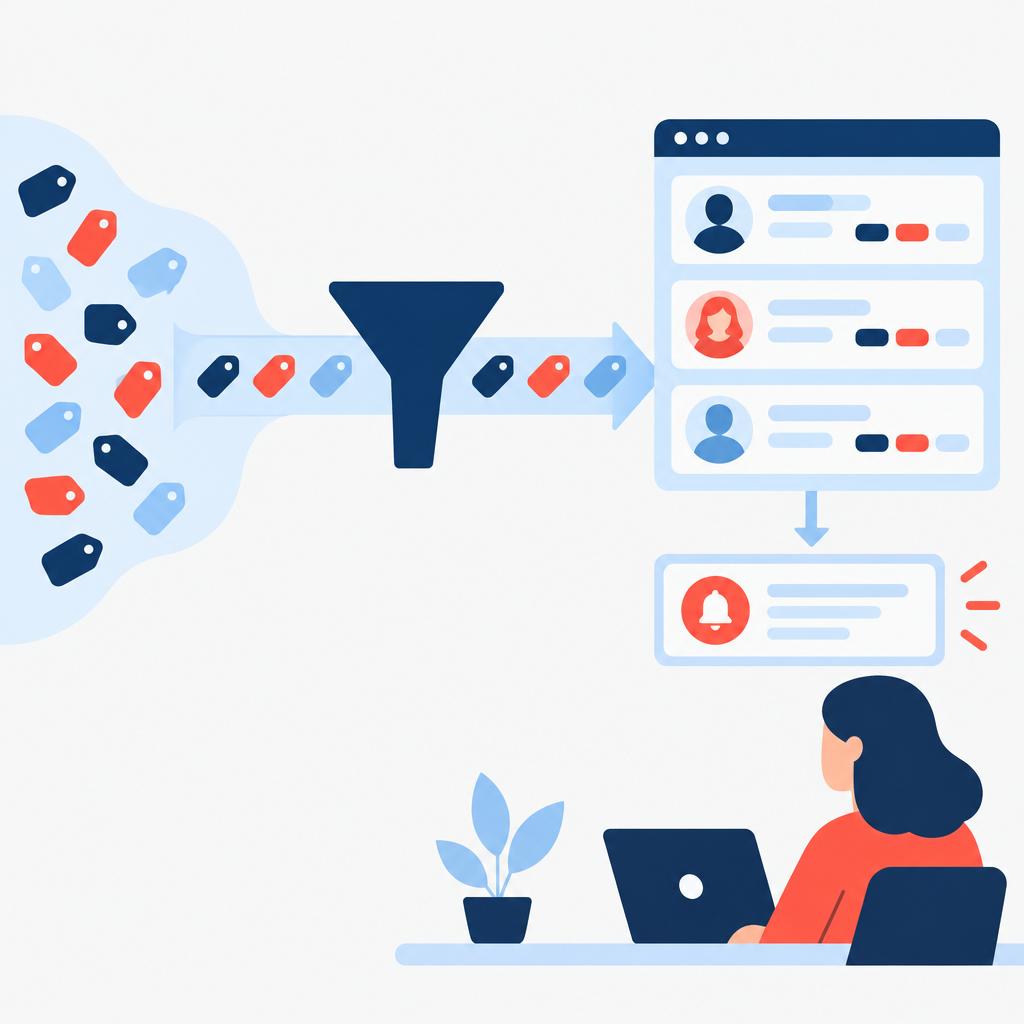
For example, a mid-market SaaS company runs search, social and content marketing. Their CRM receives leads from a mix of web forms, marketing automation and event registrations, but UTM parameters are inconsistent and some leads arrive with missing or transformed source fields. The automation cleans and standardises incoming source data, attributes each lead according to the chosen model, updates the CRM with a single source field and routes high-value leads to the enterprise sales queue. Marketing receives weekly briefs highlighting channels with unusual cost-per-lead changes and a short list of campaigns to review.
À qui s'adresse-t-il ?
- Marketing teams at B2B SaaS or services firms — need consistent source attribution across paid channels and CRM.
- Marketing operations teams — want to reduce manual data cleaning and ensure routing rules run reliably.
- Small-to-mid sized e-commerce merchants — need unified lead and customer origin data for better campaign decisions.
- Sales organisations with regional reps — require dependable lead-source signals to route leads accurately by geography or product line.
Qu'est-ce qui est inclus dans l'abonnement mensuel ?
The monthly subscription covers the operated automation and ongoing maintenance of the configured solution. implementi.ai connects agreed systems, runs the attribution processes, monitors operation, handles and fixes automation errors, and applies reasonable configuration updates to keep rules and integrations working.
- Continuous processing and monitoring of the agreed data flows.
- Maintenance and tuning of attribution rules and normalisation lists.
- Handling integration errors and corrective actions for data issues.
- Monthly brief summarising notable trends and any recommended configuration tweaks.
Dans quels cas cette solution n'est-elle pas nécessaire ?
- Organisations that only use a single marketing channel and simple CRM workflows; manual attribution is likely sufficient.
- Companies unwilling to grant agreed access or exports from their analytics and CRM systems, since the solution needs those data sources to operate.
Comment ça marche
- Discovery and mapping. We map your current lead flows, tag conventions and CRM fields to understand where inconsistencies appear and which systems must be connected.
- Normalization ruleset build. We create a standard taxonomy for source/medium/campaign and a ruleset to transform incoming UTM, referral and platform parameters into that taxonomy.
- Attribution model selection. Together we choose the attribution method(s) you need (first touch, last touch, weighted multi-touch) and configure per-lead scoring and history capture.
- Integration and ingest. The automation connects to the agreed systems and begins ingesting events and records on a scheduled cadence, enriching and normalising data as it arrives.
- Decisioning and action. For each lead the system determines the canonical source, writes the result to CRM (or provides a synchronised feed), and triggers configured routing or campaign alerts.
- Gestion des exceptions. Leads with missing or conflicting data are flagged for human review; implementi.ai monitors error queues and corrects integration issues as part of the managed service.
- Reporting and refinement. Monthly briefs summarise attribution patterns, unusual campaign signals and recommended rule updates; we implement agreed refinements as part of the service.
Exemple de flux de travail
For example, imagine a company that runs Google Ads, LinkedIn campaigns and organic search. A visitor clicks a LinkedIn ad but their browser strips UTM parameters; later they submit a form that includes a referral URL. The automation ingests the ad click and the form event, applies the normalisation rules to infer the most likely source, assigns a multi-touch attribution score to the LinkedIn campaign, updates the CRM lead record with the canonical source and lead owner, and queues a short campaign-alert for marketing when the cost-per-acquisition signal for LinkedIn diverges from recent trends. If the automation finds ambiguous signals, it marks the lead for review and notifies operations to resolve the conflict.
Intégrations
Systèmes types
Typical systems we connect include web analytics (Google Analytics / GA4), ad platforms (Google Ads, Meta Ads, LinkedIn Ads), CRM systems (Salesforce, HubSpot, Pipedrive), marketing automation (Marketo, HubSpot, ActiveCampaign), and form/event sources. Other systems can potentially be connected by API, webhook or agreed data export. Final compatibility is confirmed before launch.
Méthodes de connexion
We use available APIs and webhooks where supported, or scheduled CSV/data exports and secure cloud storage when direct APIs are not an option. Google Sheets or marketing-automation exports can be used for smaller sources. The exact combination is agreed during discovery based on your systems and security model.
Ce que nous attendons de votre entreprise
Before launch we agree which systems to connect, sample datasets or access methods (API keys, service accounts, or scheduled exports), the fields to normalise and the preferred attribution model. We also need routing and decision rules: which leads should be reassigned automatically, which require human approval, and who receives alerts or briefs. Compatibility and access method are confirmed before implementation.
FAQ
Which CRM and ad platforms can you connect to?
We typically integrate with CRM platforms like Salesforce, HubSpot and Pipedrive, and ad/analytics platforms such as Google Ads, Meta Ads and GA4. If your platform exposes an API, webhook or export, we can usually work with it; final compatibility is confirmed during discovery.
Can I change the attribution model later?
Yes. Attribution rules and model choice are configurable. implementi.ai maintains the ruleset and can make reasonable configuration updates as part of the monthly service; historical attribution records are preserved to support audits and comparisons.
What happens when the automation finds ambiguous or missing data?
Ambiguous leads are flagged and placed in an exception queue for human review. We monitor those queues, fix integration issues where appropriate and can route flagged leads to a manual review workflow in your CRM or to a named team member.
How are campaign alerts delivered?
Alerts and briefs can be delivered via email, Slack notifications or stored as reports in a shared location. The delivery method is agreed during setup and can be adjusted as part of the managed updates included in the subscription.
How do you handle duplicate or merged leads?
The service applies deduplication rules and can merge records or create a canonical lead record in the CRM. Merge logic, field precedence and auditing preferences are defined during discovery and refined over time.
Qu'est-ce qui détermine le prix mensuel ?
The price reflects the number of integrations, daily processing frequency, the volume of events and the need to maintain attribution history and ongoing rule tuning. More integrations, higher event volumes or specialised custom models increase the operational effort and can change the tier agreed before launch.
Prix
Les frais d'activation couvrent la configuration initiale, la mise en œuvre et le lancement du périmètre d'automatisation convenu.
L'abonnement mensuel couvre l'exploitation, la maintenance et la gestion courantes du service d'automatisation.
L'étendue exacte de l'offre et le montant définitif de l'abonnement mensuel sont confirmés avant le lancement.
Prêt à automatiser ce processus ?
Tell us which CRM, analytics and ad platforms your company currently uses.
Nous vous confirmerons les modalités de mise en place de cette solution, son champ d'application et le montant final de l'abonnement mensuel.
Réservez un appel de 30 minutes
| Envoyez-nous un e-mailcontact@implementi.ai | Appelez-nous+48 660 983 178 |