
تنحصر إحدى أكثر القضايا إلحاحًا التي يواجهها قادة التكنولوجيا في مختلف القطاعات في خيار بسيط ولكنه مؤثر - هل نختار نموذج الذكاء الاصطناعي المفتوح أم المغلق؟ إنه سؤال يثير نقاشات بين طليعة شركات التكنولوجيا منذ فترة طويلة، ولكن حتى مع تطور الذكاء الاصطناعي بوتيرة متسارعة، لا يزال الاختيار بين نموذج الذكاء الاصطناعي المغلق أو المفتوح نقطة قرار حاسمة للشركات في جميع القطاعات.
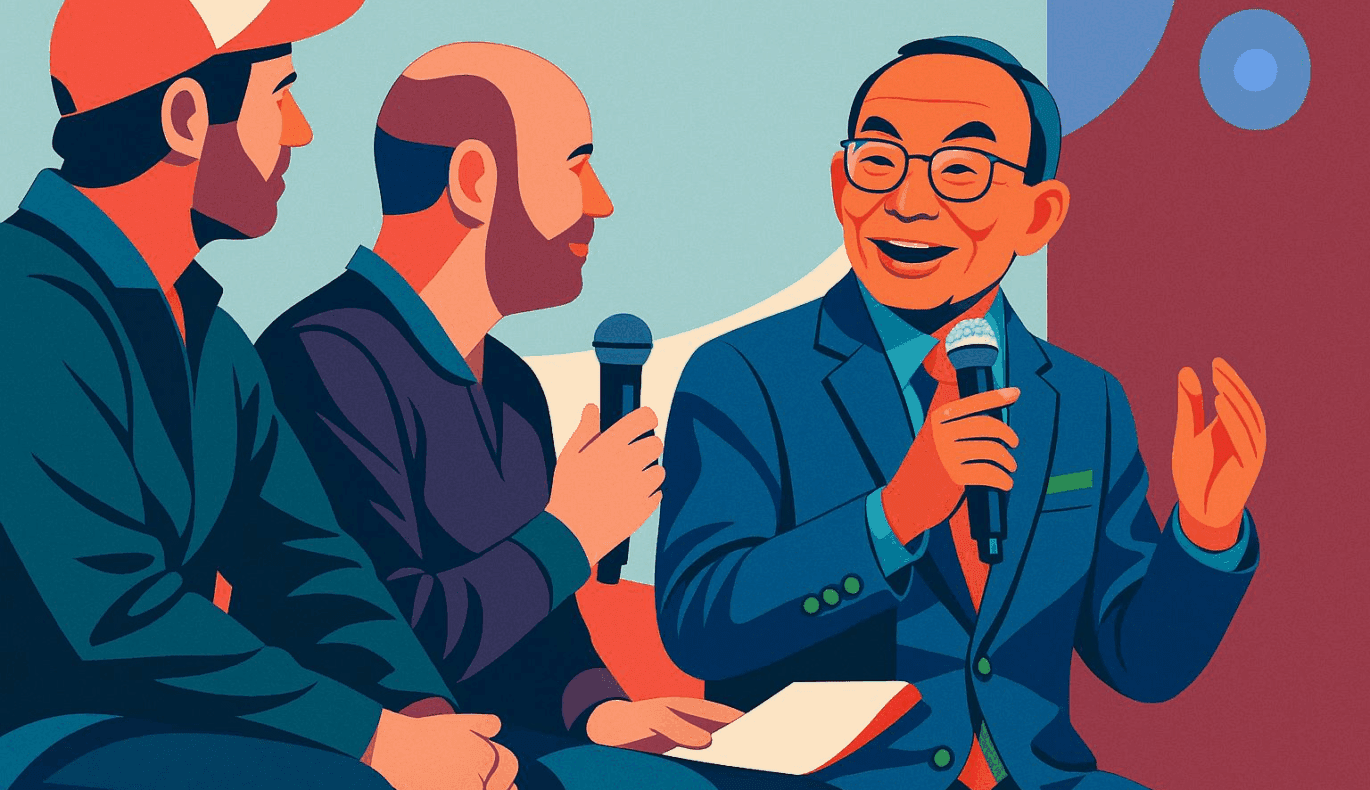
وللغوص في صميم هذه القضية، شارك ثلاثة من كبار الشخصيات في هذا المجال من جنرال موتورز وزووم وآي بي إم مؤخراً تجاربهم ورؤاهم حول هذا الموضوع ذي الصلة. فقد قدموا نظرة استبطانية حول كيفية تعامل شركاتهم وعملائهم مع المسار الحرج لاختيار نموذج الذكاء الاصطناعي. تلقي خبراتهم الضوء على المفاضلات التي يجب على الشركات أخذها في الاعتبار عند الاختيار بين النماذج المفتوحة والمغلقة لتطبيق الذكاء الاصطناعي.
نماذج الذكاء الاصطناعي المفتوحة مقابل نماذج الذكاء الاصطناعي المغلقة
لنفهم أولاً الفرق الأساسي بين هذه النماذج. يُعتبر نموذج الذكاء الاصطناعي المفتوح بشكل عام أكثر شفافية، مما يضمن قدرة المستخدمين على فهم وإدارة منطق النموذج. السمة الرئيسية للنموذج المفتوح هي قابلية التفسير، مما يمكّن المستخدمين من فهم عملية اتخاذ القرار في النموذج والثقة في نتائجه.
في المقابل، عادةً ما تعمل نماذج الذكاء الاصطناعي المغلقة (المعروفة أيضًا باسم "الصناديق السوداء") على منطق أكثر تعقيدًا قد لا يكون مفهومًا لمستخدميها. توفر مثل هذه النماذج شفافية أقل ولكن من المحتمل أن تقدم تنبؤات أكثر دقة أو أداءً أفضل لمهام محددة ومعقدة.
في حين أن هذا التمييز قد يبدو أنه يوفر خيارًا واضحًا، إلا أن الواقع أبعد ما يكون عن ذلك. يعرف الخبراء في مجال التكنولوجيا أن كل نموذج يأتي بمجموعة فريدة من المزايا والقيود.
المقايضات والقرارات
من جانبها، لا تتبع شركات مثل جنرال موتورز وزووم وآي بي إم نهجاً واحداً يناسب الجميع عندما يتعلق الأمر باختيار نماذج الذكاء الاصطناعي. حيث تتشكل عملية اتخاذ القرار لديهم من خلال اعتبارات متعددة، مثل خصوصية البيانات، وتعقيد مهام الذكاء الاصطناعي، والثقة والشفافية، والامتثال التنظيمي، وغيرها.
على سبيل المثال، قد تميل شركة تصنيع سيارات مثلاً إلى نموذج أكثر انغلاقاً لا يعرض أي بيانات تصميم مملوكة للخطر. من ناحية أخرى، قد تفضل منصة مؤتمرات الفيديو مثل Zoom نموذجاً مفتوحاً يسمح باستكشاف الأخطاء وإصلاحها بسهولة في الوقت الفعلي لتحسين تجربة المستخدم. وفي الوقت نفسه، قد تقوم شركة تكنولوجية عريقة مثل IBM بتكييف اختيارها بناءً على متطلبات عملاء محددين أو متطلبات تنظيمية.
ومع تطور الصناعة، تتطور كذلك الاعتبارات التي تسترشد بها هذه القرارات. والأمر المهم هو أن تدرك الشركات المفاضلات المميزة المرتبطة بكل خيار، وفي الأساس، حقيقة أن ملاءمة نموذج الذكاء الاصطناعي للانفتاح أو التقارب يعتمد إلى حد كبير على الاستخدام المقصود والاحتياجات المحددة لقاعدة المستخدمين.
من خلال مشاركة رؤاهم وخبراتهم التي لا تقدر بثمن، سلط قادة هذه الشركات التكنولوجية الكبرى الضوء على جانب أساسي يجب على جميع الشركات التي تتبنى الذكاء الاصطناعي أن تضعه في الحسبان - لا يمكن الاختيار بين نماذج الذكاء الاصطناعي المفتوحة مقابل نماذج الذكاء الاصطناعي المغلقة بمعزل عن بعضها البعض. فهو يتطلب فهماً شاملاً للآثار المترتبة على النموذج، واحتياجات قاعدة المستخدمين، والتداعيات الأخلاقية والقانونية والخاصة بالصناعة. لا ينتهي النقاش هنا؛ فهو نقاش مستمر مع استمرار تطور الذكاء الاصطناعي وتشكيل مستقبلنا.
للاطلاع على التفاصيل، راجع المناقشة الأصلية على موقع VentureBeat: قراءة المزيد.