
انتشرت شائعات عن تغيير جذري في تنظيم السياسات في واشنطن يوم الأربعاء الماضي. وأشارت الشائعات إلى إعلان قادم من البيت الأبيض - أمر تنفيذي يهدف إلى السيطرة على قوانين الذكاء الاصطناعي في الولايات، ووضع تلك السلطة التنظيمية في أيدي الحكومة الفيدرالية. وكما يحدث غالبًا في عالمنا المتصل بشكل كبير، سربت الأخبار بسرعة على الإنترنت، مما تسبب في ضجة بين صانعي السياسات والعقول القانونية الذين حللوا بحماس كل سطر من الأمر التنفيذي المفترض.
أثارت عدة جوانب من هذا التغيير المزعوم في السياسة أكثر من مجرد الدهشة. بالنسبة لبعض المراقبين، بدت الفكرة برمتها بعيدة المنال من الناحية السياسية، حيث إنها من شأنها أن تقضي على سلطة الولايات على شؤونها المتعلقة بالذكاء الاصطناعي. وبالنسبة لآخرين، كانت هناك أجزاء من الأمر التنفيذي تبدو مفرطة بشكل مقلق، وتقف على حافة الشرعية. ناهيك عن العديد من الوكالات الفيدرالية التي تم تهميشها على ما يبدو، واستبعادها من المناقشات المتعلقة بصنع القرار بشأن مستقبل حوكمة الذكاء الاصطناعي.
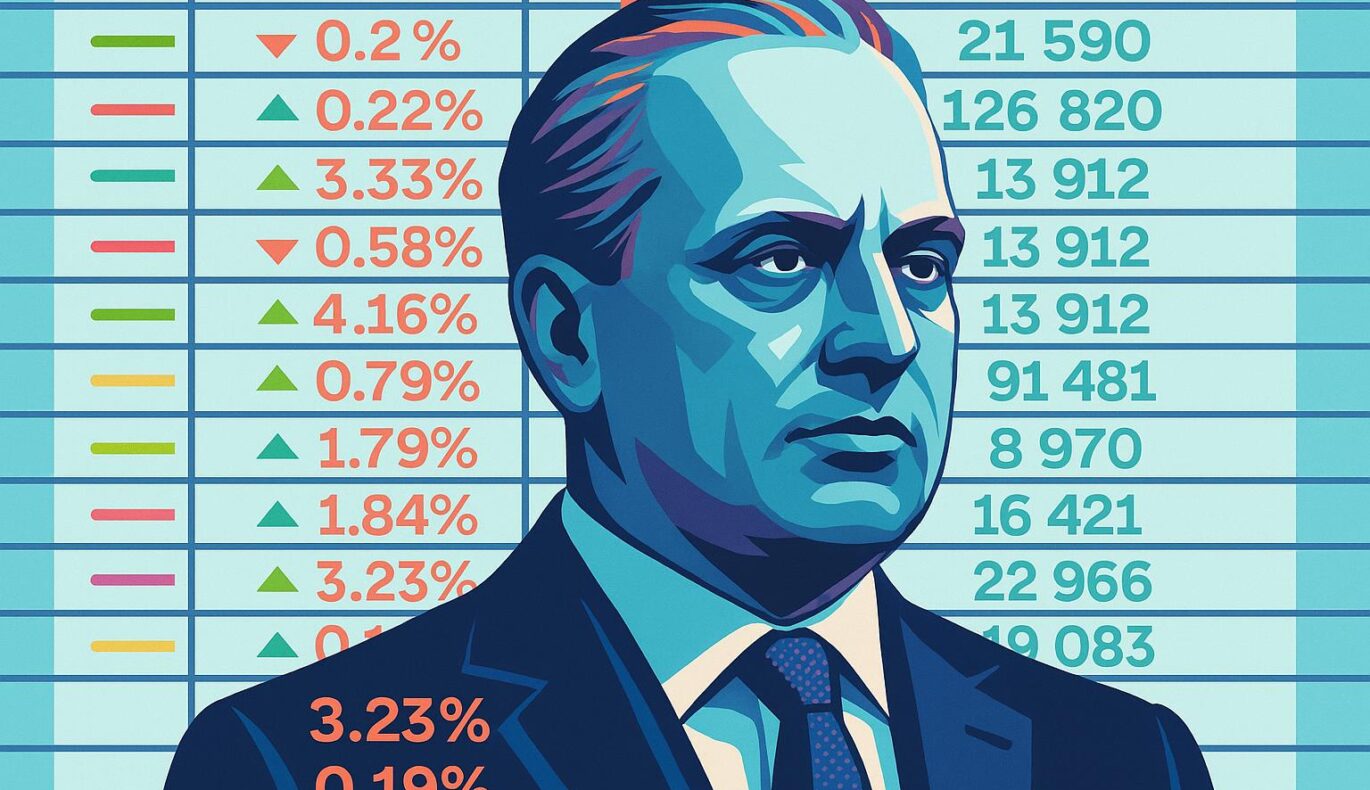
لكن ما لفت انتباه المراقبين حقًا هو مقدار السلطة التي يبدو أن هذا الأمر التنفيذي يمنحها لشخص معين – وهو ملياردير تكنولوجي جنوب أفريقي. هل يمكن أن يكون مستقبل حوكمة الذكاء الاصطناعي في الولايات المتحدة سيتشكل على يد شخص واحد، وإن كان شخصًا قويًا للغاية؟ إن إجراءً كهذا من شأنه أن يمنح الملياردير نفوذًا لا مثيل له، كما أن ضخامة التحول في السلطة تضفي أهمية خاصة على دوره.
في الوقت الحالي، وحتى صدور الإعلانات الرسمية، ما زلنا غارقين في بحر من التكهنات والشائعات غير الرسمية. تستمر حقبة الذكاء الاصطناعي في تخطي الحدود، سواء في مجال الابتكار التكنولوجي أو المناقشات التنظيمية، ومن الواضح أن الطريق إلى الأمام سيكون مليئًا بالتحديات. من إدارة الآثار الأخلاقية لتطورات الذكاء الاصطناعي إلى تحقيق التوازن بين الحوكمة المحلية والاتحادية، فإن الطريق إلى الأمام مليء بالمنعطفات المحفوفة بالمخاطر.
قد تكون هذه الخطوة إيذاناً ببدء فصل جديد في تاريخ الذكاء الاصطناعي. ويشير التغيير المحتمل في اللوائح التنظيمية إلى الدور الهائل الذي من المتوقع أن يلعبه الذكاء الاصطناعي في مجتمعاتنا. ولكن، كالعادة، فإن القوة الكبيرة تأتي مع مسؤولية كبيرة. ويبقى أن نرى كيف ستسير هذه التطورات المزعومة، وما إذا كان نقل السلطة التنظيمية من المستوى الولائي إلى المستوى الفيدرالي سيكون مفيداً في النهاية.
على نطاق أوسع، تؤكد هذه التطورات على الحاجة الماسة إلى إجراء حوارات مستمرة حول تأثير الذكاء الاصطناعي ونطاقه. بغض النظر عمن يمسك بزمام الأمور، فإن التنقل في هذا العالم الجديد الشجاع سيتطلب نهجًا شاملاً ومتعدد التخصصات - نهجًا يجمع بين المعرفة التقنية والحساسية الأخلاقية الحادة.
ابق على اطلاع على آخر المستجدات وتابع هذا المكان للحصول على مزيد من المعلومات حول هذا الخبر المثير.
المصدر: ذا فيرج