

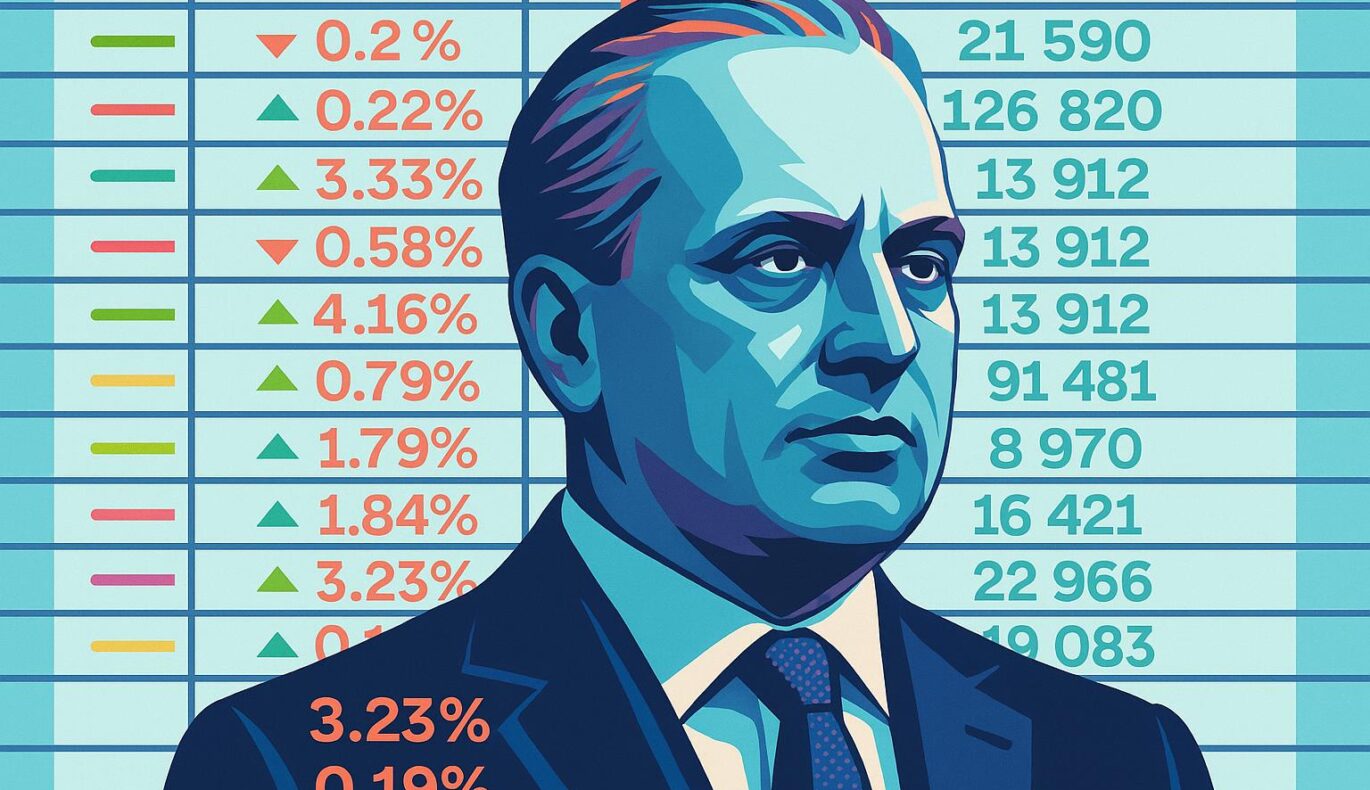
Des rumeurs concernant un changement radical dans la réglementation politique ont envahi Washington ce mercredi. Ces rumeurs faisaient état d'une annonce imminente de la Maison Blanche : un décret visant à prendre le contrôle des lois étatiques sur l'IA et à placer ce pouvoir réglementaire entre les mains du gouvernement fédéral. Comme cela arrive souvent dans notre monde hyperconnecté, la nouvelle a rapidement fuité sur Internet, provoquant une agitation parmi les décideurs politiques et les juristes qui ont analysé fébrilement chaque ligne du décret présumé.
Plusieurs aspects de ce changement de politique présumé ont suscité plus que de simples interrogations. Pour certains observateurs, l'idée dans son ensemble semblait politiquement irréalisable, car elle aurait pour effet d'annuler le pouvoir des États sur les questions liées à l'IA. Pour d'autres, certaines parties du décret semblaient excessivement ambitieuses, à la limite de la légalité. Sans parler des nombreuses agences fédérales qui semblaient avoir été mises à l'écart, exclues des discussions décisionnelles concernant l'avenir de la gouvernance de l'intelligence artificielle.
Mais ce qui a vraiment attiré l'attention des observateurs, c'est l'étendue des pouvoirs que ce décret semblait conférer à un individu en particulier : un milliardaire sud-africain du secteur des technologies. Se pourrait-il que l'avenir de la gouvernance de l'intelligence artificielle aux États-Unis soit façonné par un seul individu, certes très puissant ? Une mesure comme celle-ci donnerait un levier imparable au milliardaire, et l'ampleur du transfert de pouvoir ajoute une gravité particulière à son rôle.
Pour l'instant, en attendant les annonces officielles, nous restons submergés par une vague de conjectures et de rumeurs non officielles. L'ère de l'intelligence artificielle continue de repousser les limites, tant en matière d'innovation technologique que de discussions réglementaires, et il est clair que la voie à suivre sera semée d'embûches. De la gestion des implications éthiques des progrès de l'IA à la recherche d'un équilibre entre la gouvernance locale et fédérale, le chemin à parcourir est semé d'embûches.
Cette décision pourrait marquer le début d'un nouveau chapitre dans l'histoire de l'IA. L'évolution potentielle de la réglementation laisse entrevoir le rôle considérable que l'intelligence artificielle est appelée à jouer dans nos sociétés. Cependant, comme toujours, un grand pouvoir implique de grandes responsabilités. Il reste à voir comment cette évolution se concrétisera et si, au final, le transfert du pouvoir réglementaire des États vers le gouvernement fédéral s'avérera bénéfique.
À plus grande échelle, ces développements soulignent la nécessité cruciale d'un dialogue continu sur l'influence et la portée de l'IA. Peu importe qui tient les rênes, naviguer dans ce nouveau monde nécessitera une approche multidisciplinaire et équilibrée, une approche qui allie savoir-faire technique et sensibilité éthique aiguë.
Restez à l'écoute et surveillez cet espace pour obtenir plus d'informations sur cette nouvelle captivante.
Source : The Verge