

One of the most pressing issues faced by tech leaders across various sectors comes down to a simple but impactful choice – do we opt for an open or a closed AI model? It’s a question that’s been stirring discussions among the tech vanguard for quite a while now, but even as AI develops at a breakneck pace, the selection between a closed or open AI model is still a crucial decision point for businesses across all industries.
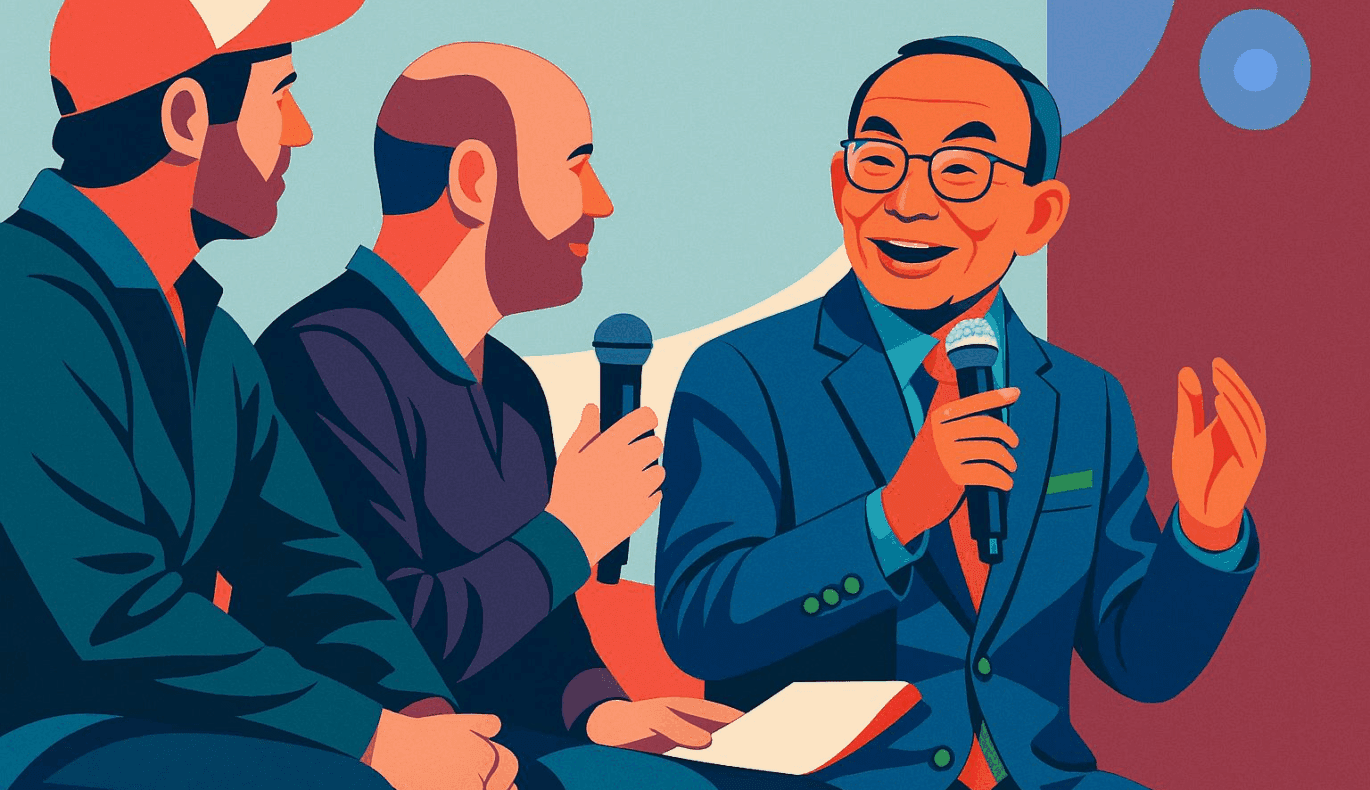
To dive into the heart of this issue, three industry heavyweights from General Motors, Zoom, and IBM recently shared their experiences and insights on this pertinent subject. They offered an introspective look into how their respective companies and customers navigate the critical path of AI model selection. Their expertise sheds light on the trade-offs enterprises must consider when choosing between open and closed models for AI application.
Open vs. Closed AI Models
Let’s first understand the basic distinction between these models. An open AI model is generally considered to be more transparent, ensuring that users can understand and manage the model’s reasoning. The key characteristic of an open model is interpretability, enabling users to comprehend the model’s decision-making process and trust its outcomes.
In contrast, closed AI models (also known as ‘black boxes’) typically operate on a more complex logic that may not be as comprehensible to its users. Such models offer less transparency but could potentially deliver more accurate predictions or better performance for specific, complex tasks.
While this distinction may appear to offer a clear-cut choice, the reality is far from this. Tech veterans know that each model comes with its unique set of advantages and limitations.
Trade-Offs and Decisions
For their part, companies like General Motors, Zoom, and IBM do not subscribe to a one-size-fits-all approach when it comes to selecting AI models. Their decision-making process is shaped by multiple considerations, such as data privacy, the complexity of AI tasks, trust and transparency, and regulatory compliance, among others.
For instance, an auto manufacturing company might lean towards a more closed model that doesn’t compromise any proprietary design data. On the other hand, a video conferencing platform like Zoom could prefer an open model that allows for user-friendly troubleshooting in real-time to optimize its user experience. Meanwhile, a tech-oldie like IBM might adapt its choice based on specific customer demands or regulatory requirements.
As the industry evolves, so too do the considerations that inform these decisions. What’s crucial is that businesses become aware of the distinct trade-offs associated with each choice and, in essence, the fact that the suitability of an AI model’s openness or closeness depends largely on its intended use and the specific needs of the user base.
By sharing their invaluable insights and experiences, leaders from these tech heavyweights have highlighted an essential aspect that all businesses adopting AI must account for—the choice between open vs. closed AI models cannot be made in isolation. It requires a thorough understanding of the implications of the model, the needs of the user base, and the ethical, legal, and industry-specific ramifications. The conversation does not end here; it is an ongoing discussion as AI continues to evolve and shape our future.
For the detailed read, refer to the original discussion on VentureBeat: Read More.