
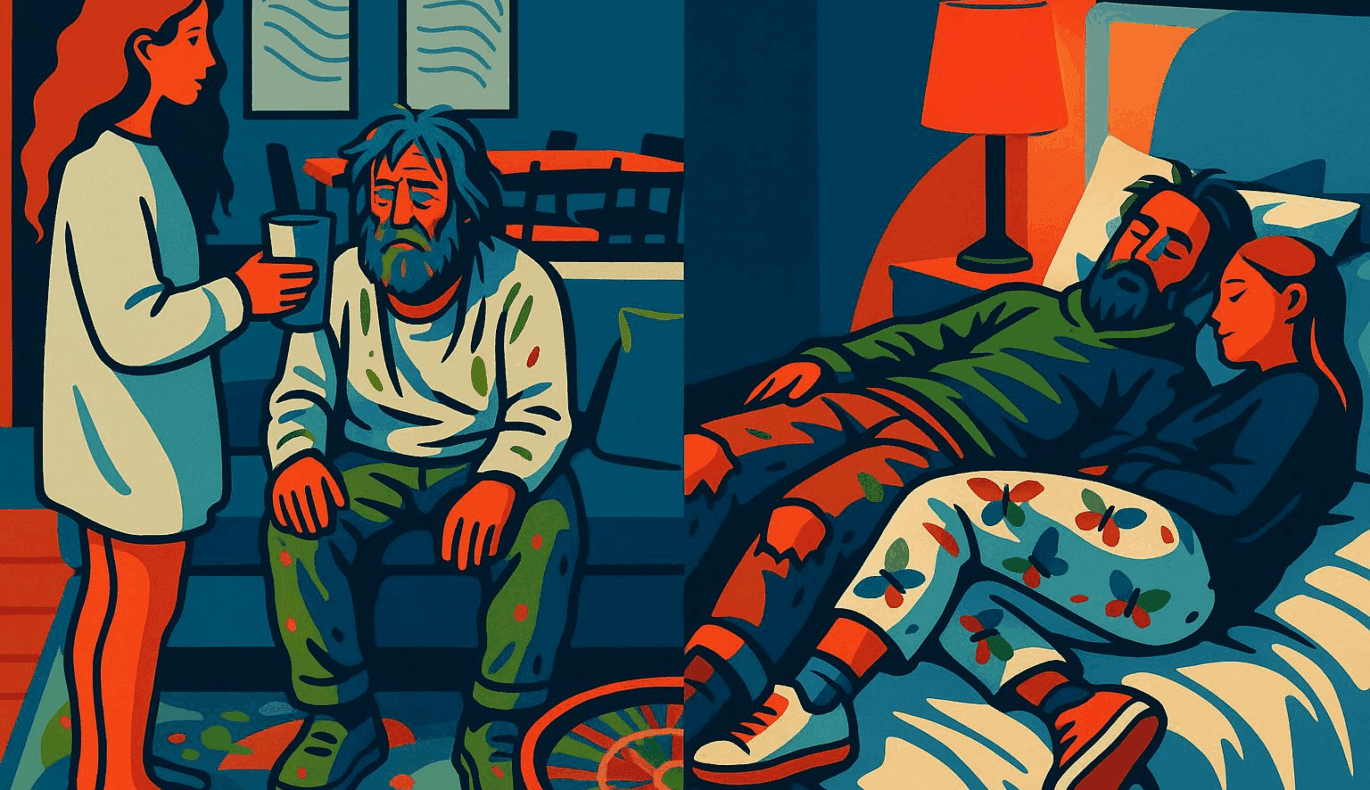
While it’s not uncommon for us to worry about the potential implications of artificial intelligence such as deepfaked politicians, AI musicians, virtual actresses, and phony satellite imagery, it’s high time we considered another danger lurking in the shadows—prankster teenagers. In a new wave of pranking, teenagers are utilizing AI to create seemingly realistic images of a disheveled, possibly homeless person in their households. These images are then forwarded to their unsuspecting parents who, in understandable panic and confusion, are seeking the assistance of law enforcement authorities. This prank is rapidly turning viral on TikTok and is proving to be a massive strain not only for parents but also for law enforcement agencies.
The prank’s premise is inordinately straightforward. The pranksters use Snapchat’s AI tools to create lifelike images of a scruffy man within their home. Their parents are then informed that their child kindly allowed this stranger into their home for basic needs such as using the bathroom, taking a snooze or having a drink of water. But there’s a catch. The kids often claim that this stranger professes to know their parents from work or school days. This spins the parents into a state of frantic action, demanding an immediate expulsion of the individual. All this chaos is being recorded by the prankster kids who later post the videos on TikTok for public amusement. Some of these clips have garnered millions of views, further fueling the prank’s popularity.
The fun and frolic, however, transform swiftly into danger and dire consequences when the prank goes far beyond the limits and parents decide to involve the police. Such calls detailing an ongoing home invasion involving minors gain immediate high priority police attention. This means that not only are crucial resources and time being wasted, the life of the prankster might inadvertently be put at risk. Andy McKinney, the Round Rock Police Patrol Division Commander, shared a grim perspective stating the prank could potentially trigger a SWAT response due to false pretenses.
The Salem, Massachusetts police department encapsulated it best in a statement saying: “this prank dehumanizes the homeless, causes the distressed recipient to panic and wastes police resources. Police officers who are called upon to respond do not know this is a prank and treat the call as an actual burglary in progress thus creating a potentially dangerous situation.” Maybe it’s time we realize that not all pranks are meant for light-hearted fun. Some come with a heavy cost, not just for the people directly involved, but also for the society at large. Keep the fun alive, but let this prank go.
This article is based on an original report by The Verge.