

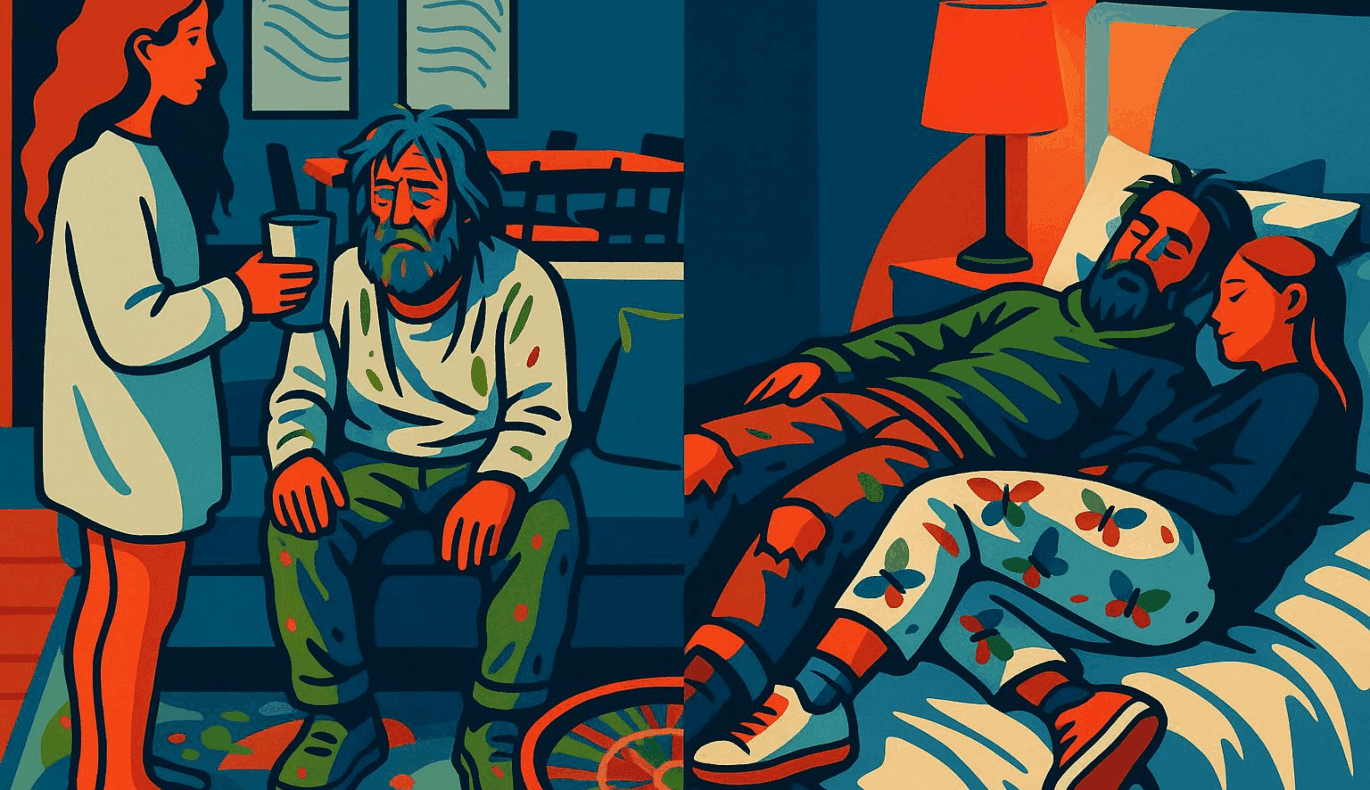
Podczas gdy nierzadko martwimy się o potencjalne implikacje sztucznej inteligencji, takie jak fałszywi politycy, muzycy AI, wirtualne aktorki i fałszywe zdjęcia satelitarne, najwyższy czas, abyśmy zastanowili się nad innym niebezpieczeństwem czającym się w cieniu - nastolatkami-żartownisiami. W nowej fali żartów nastolatki wykorzystują sztuczną inteligencję do tworzenia pozornie realistycznych obrazów rozczochranej, prawdopodobnie bezdomnej osoby w ich domach. Obrazy te są następnie przesyłane do niczego niepodejrzewających rodziców, którzy w zrozumiałej panice i zamieszaniu szukają pomocy organów ścigania. Ten żart szybko staje się wirusowy na TikTok i okazuje się być ogromnym obciążeniem nie tylko dla rodziców, ale także dla organów ścigania.
Założenie żartu jest niezwykle proste. Żartownisie używają narzędzi sztucznej inteligencji Snapchata do tworzenia realistycznych obrazów niechlujnego mężczyzny w ich domu. Ich rodzice są następnie informowani, że ich dziecko uprzejmie wpuściło tego nieznajomego do domu w celu zaspokojenia podstawowych potrzeb, takich jak skorzystanie z łazienki, drzemka lub napicie się wody. Jest jednak pewien haczyk. Dzieci często twierdzą, że ten nieznajomy wyznaje, że zna ich rodziców z pracy lub czasów szkolnych. To sprawia, że rodzice wpadają w szał, domagając się natychmiastowego wydalenia tej osoby. Cały ten chaos jest nagrywany przez żartownisiów, którzy później publikują filmy na TikTok dla publicznej rozrywki. Niektóre z tych klipów zdobyły miliony wyświetleń, jeszcze bardziej podsycając popularność żartu.
Jednak zabawa i igraszki szybko zmieniają się w niebezpieczeństwo i tragiczne konsekwencje, gdy żart wykracza daleko poza granice, a rodzice decydują się zaangażować policję. Takie wezwania, w których szczegółowo opisano trwającą inwazję na dom z udziałem nieletnich, zyskują natychmiastową uwagę policji o wysokim priorytecie. Oznacza to, że nie tylko marnowane są kluczowe zasoby i czas, ale życie żartownisia może być nieumyślnie zagrożone. Andy McKinney, dowódca oddziału patrolowego policji w Round Rock, podzielił się ponurą perspektywą, stwierdzając, że żart może potencjalnie wywołać reakcję SWAT z powodu fałszywych pretekstów.
Departament policji w Salem w stanie Massachusetts najlepiej ujął to w swoim oświadczeniu: "Ten żart dehumanizuje bezdomnych, wywołuje panikę u zrozpaczonych odbiorców i marnuje zasoby policji. Funkcjonariusze policji, którzy są wzywani do odpowiedzi, nie wiedzą, że jest to żart i traktują wezwanie jako rzeczywiste włamanie w toku, tworząc w ten sposób potencjalnie niebezpieczną sytuację". Może nadszedł czas, abyśmy zdali sobie sprawę, że nie wszystkie psikusy są przeznaczone do lekkiej zabawy. Niektóre z nich wiążą się z dużymi kosztami, nie tylko dla bezpośrednio zaangażowanych osób, ale także dla całego społeczeństwa. Zachowajmy zabawę przy życiu, ale odpuśćmy sobie ten żart.
Ten artykuł jest oparty na oryginalny raport przez The Verge.