
OpenAI Pauses Deepfakes of Martin Luther King Jr. After Complaints
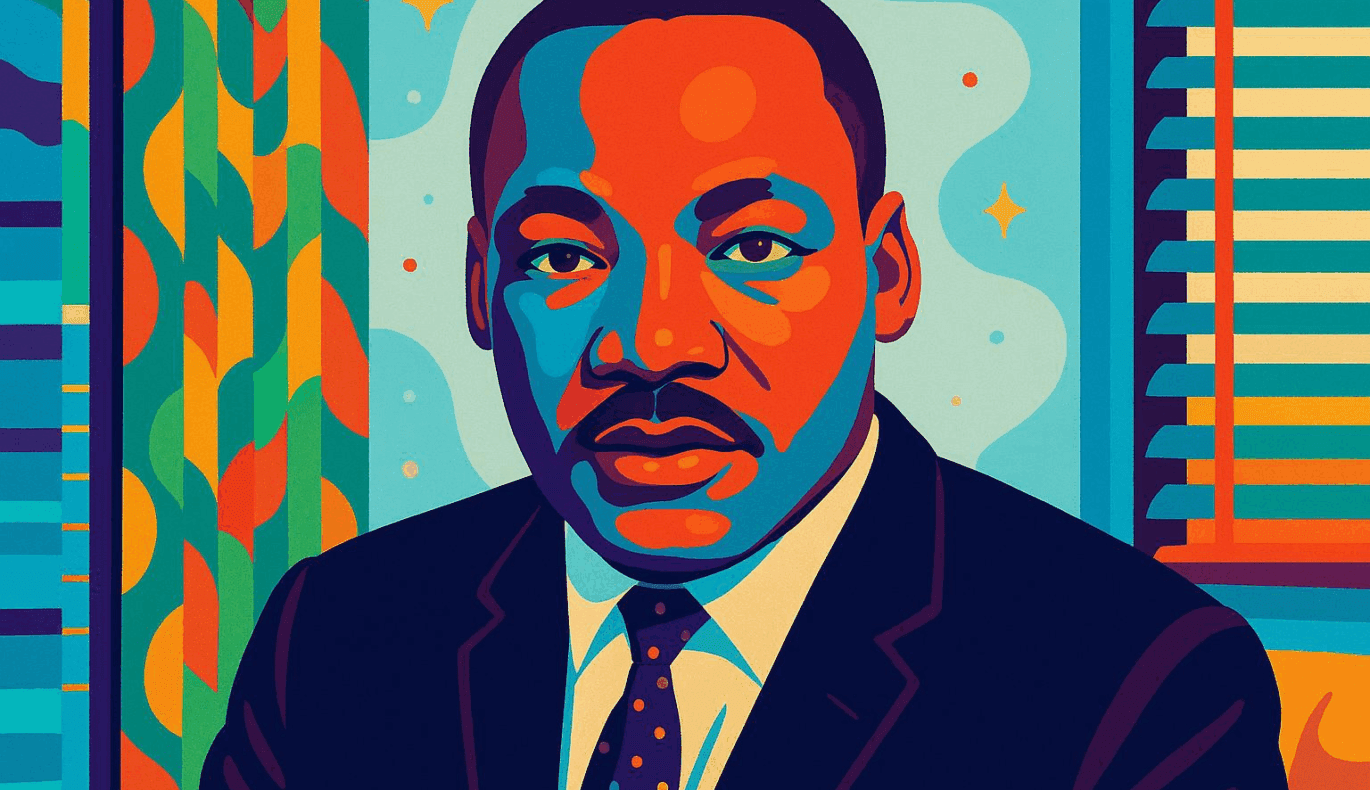
OpenAI has initiated a pause on deepfakes of Martin Luther King Jr. on its social application, Sora. The decision comes after complaints from users who found some of the AI-generated videos of the late civil rights activist disrespectful. Specific concerns arose from Martin Luther King Jr.’s estate and his daughter, Bernice King, following the circulation of these offensive videos. This has prompted OpenAI to reconsider their strategy, now granting estate owners of historical figures the right to opt out of having their corresponding figure’s likeness used on the platform, ensuring greater respect and sanctity of such historical icons.
Originally developed as a tool for creativity and free expression, Sora allowed users to reanimate deceased celebrities and notable historical figures, often resurfacing them in crude and offensive depictions. Martin Luther King Jr. was one among many who thus surfaced on Sora, leading to an outcry for respect towards these individuals and their legacies.
OpenAI’s Changing Stance on Historical Figures and Copyright
In response to these concerns, OpenAI, in association with King, Inc., has issued a statement addressing the matter. “At King, Inc.’s request, OpenAI has paused generations depicting Dr. King as it strengthens guardrails for historical figures,” the company said. OpenAI reaffirmed the significance of free speech in portraying historical figures but also stressed the need for public figures and their families to maintain control over how their likeness is used.
Consequently, OpenAI will now allow authorized representatives and estate owners to request restrictions on their likeness’s use in Sora cameos. This adjustment in strategy aligns with OpenAI’s approach to copyright, as first demonstrated when Sora launched. A previously controversial “opt-in” protocol was introduced for rightsholders subsequent to extensive depictions of copyrighted characters such as Rick and Morty, Pikachu and SpongeBob SquarePants.
However, while copyright has a well-established federal framework, no such construct exists for protecting individuals’ likenesses. Various state laws permit legal action against unauthorized use of a living (and occasionally, a deceased) person’s image. In California, home to OpenAI, postmortem privacy rights are explicitly extended to AI renditions of performers.
As the technology continues to evolve, so too will the legal and ethical challenges faced by AI-driven platforms like OpenAI’s Sora. By listening to user feedback and adjusting its policies accordingly, OpenAI is setting an example for the tech industry as to how to navigate the delicate balance of innovation and respect for historical figures and their legacies.
Original article: The Verge