

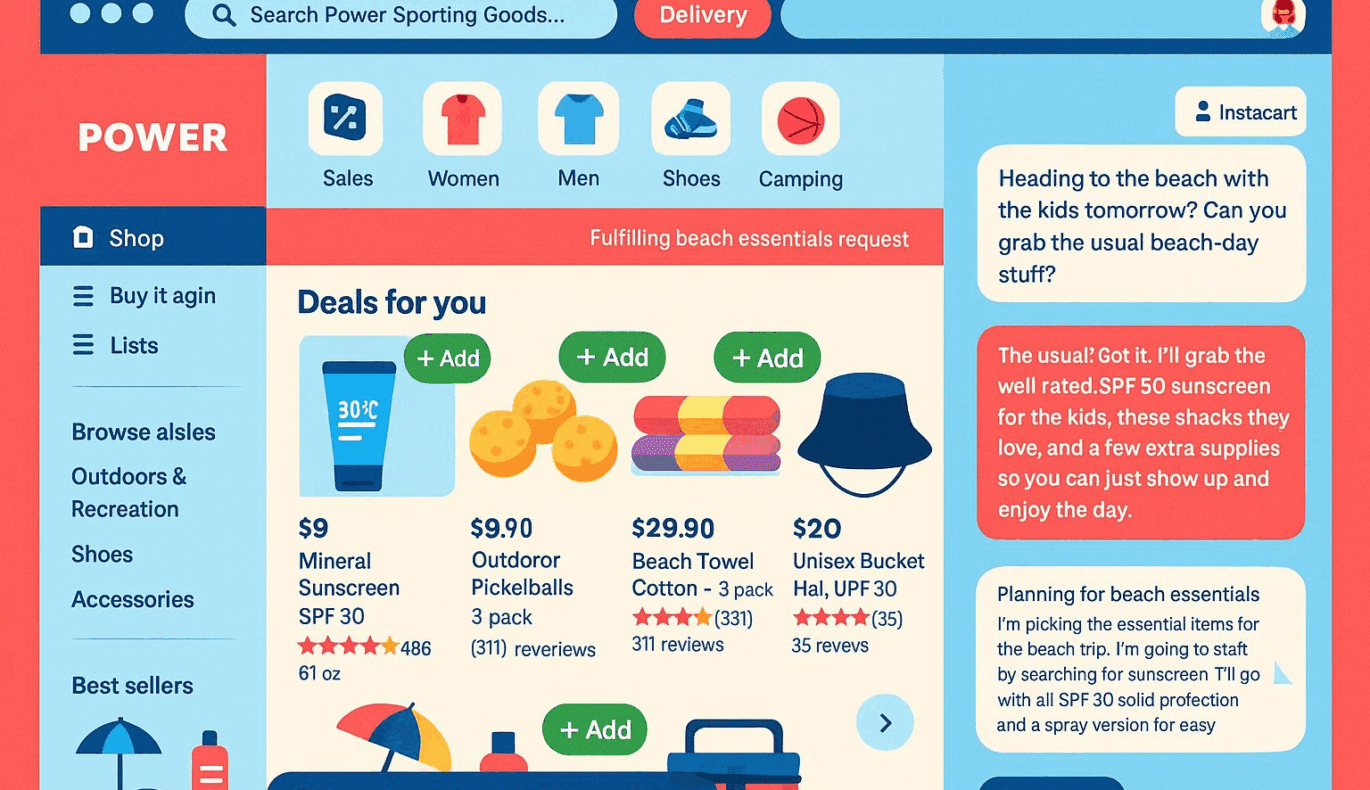
OpenAI is intensifying its competition against Google with another audacious venture – an AI-powered web browser named ChatGPT Atlas. The browser, according to the recent announcement on a live-stream session, is released globally on macOS and soon to be accessible on Windows, Android, and iOS. However, its “agent mode” is only accessible to ChatGPT Plus and Pro users for now.
OpenAI CEO, Sam Altman, envisions this new tool as a path to the future of internet usage, where the chat experience within a browser will play a vital role. The live-stream unveiling had the presence of some other key OpenAI team members, notably, Will Ellsworth, Adam Fry, Ben Goodger, Ryan O’Rourke, Justin Rushing, and Pranav Vishnu. They underscored the capacity of ChatGPT Atlas and how it can potentially revolutionize web browsing.
One standout feature that garnered applause from Adam Fry is the browser’s memory function. This feature aims to make the browser a more personalized tool, customized to suit each user’s unique web preferences. Apart from remembering user preferences, it also boasts an agent mode where ChatGPT can effectively perform tasks like flight bookings, hotel reservations, or document editing on behalf of the user. The settings allow users to view and manage all browser “memories.”
This further underscores OpenAI’s commitment to amplifying the potential of agentic AI. The company has earlier explored this domain with its Operator tool, which lets ChatGPT operate a computer on behalf of a user. The next iteration, ChatGPT Agent, sought to expand functionality to complex tasks and online shopping, albeit with varied degrees of success.
Upon click on a link from a search result in ChatGPT Atlas, the platform will show a split-screen with the webpage and the ChatGPT transcript aiming to display a “companion” at all times. It allows users the choice to turn off this split-screen feature per their comfort. In demonstrating the browser’s capabilities, the employees showcased its summarization features for webpages, and an interesting feature called “cursor chat” that allows users to select text from an email, click a button, and have ChatGPT tidy up the sentence in-line.
Altman expressed his satisfaction with the new product, describing it as being smooth, quick, and overall, a pleasure to use. This marks another significant milestone in the ongoing AI browser wars, which has witnessed some groundbreaking advances since OpenAI announced a prototype of its search engine, SearchGPT, in mid-2024.
Some other notable developments in the sphere include the launch of the AI-backed Comet browser by Perplexity this summer. Touted as simplifying web browsing and task completion, Comet replaces a conventional Google search with a Perplexity “answer engine,” providing a few links to relevant sites and generating responses to queries. Another promising update was from Google in September, announcing a deeper integration of its Gemini AI assistant with Chrome to help it more efficiently perform tasks on users’ behalf.
Amidst all the hype and breakthroughs, it is clear AI’s role in web browsing is here for the long haul. As companies like OpenAI and Google consistently push the boundaries of AI’s potential, users worldwide watch with bated breath, ready to embrace the future of the internet.
Credit to original article: The Verge