

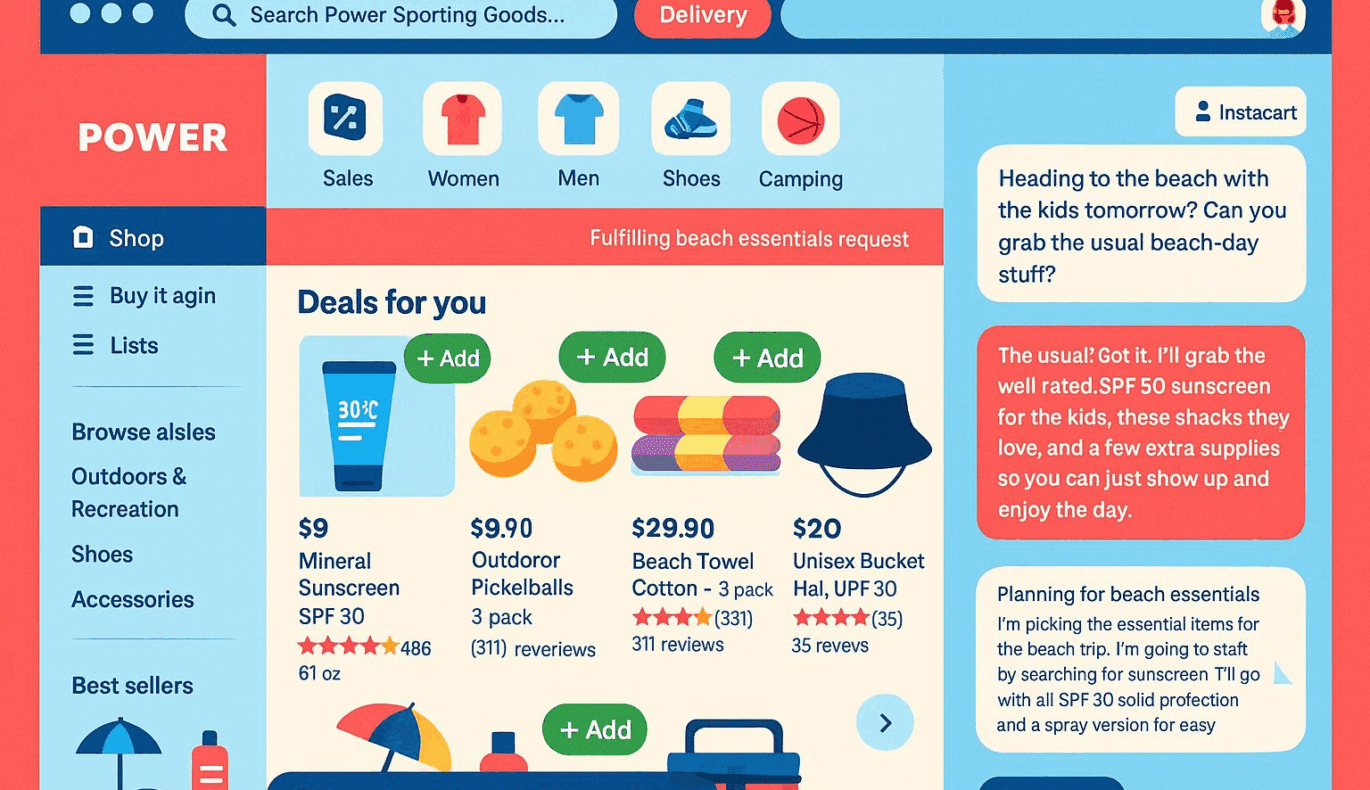
OpenAI intensifie sa concurrence avec Google en lançant un nouveau projet audacieux : un navigateur web doté d'une intelligence artificielle, baptisé ChatGPT Atlas. Le navigateur, selon l'annonce récente lors d'une session live-stream, est lancé mondialement sur macOS et sera bientôt accessible sur Windows, Android et iOS. Cependant, son “mode agent” n'est pour l'instant accessible qu'aux utilisateurs de ChatGPT Plus et Pro.
Le PDG d'OpenAI, Sam Altman, considère ce nouvel outil comme une voie vers l'avenir de l'utilisation d'Internet, où l'expérience du chat au sein d'un navigateur jouera un rôle essentiel. D'autres membres clés de l'équipe OpenAI, notamment Will Ellsworth, Adam Fry, Ben Goodger, Ryan O'Rourke, Justin Rushing et Pranav Vishnu, étaient présents lors de la présentation en direct. Ils ont souligné la capacité de ChatGPT Atlas et la façon dont il peut potentiellement révolutionner la navigation sur le web.
La fonction mémoire du navigateur est l'une des caractéristiques remarquables qui a été applaudie par Adam Fry. Cette fonction vise à faire du navigateur un outil plus personnalisé, adapté aux préférences web uniques de chaque utilisateur. Outre la mémorisation des préférences de l'utilisateur, le navigateur dispose également d'un mode “agent” qui permet à ChatGPT d'effectuer des tâches telles que la réservation de vols et d'hôtels ou l'édition de documents pour le compte de l'utilisateur. Les paramètres permettent aux utilisateurs d'afficher et de gérer toutes les "mémoires" de leur navigateur.”
Cela souligne l'engagement d'OpenAI à amplifier le potentiel de l'IA agentique. L'entreprise a déjà exploré ce domaine avec son outil Operator, qui permet à ChatGPT de faire fonctionner un ordinateur pour le compte d'un utilisateur. L'itération suivante, ChatGPT Agent, a cherché à étendre la fonctionnalité à des tâches complexes et aux achats en ligne, mais avec des degrés de réussite variables.
Lorsque l'utilisateur clique sur un lien à partir d'un résultat de recherche dans ChatGPT Atlas, la plateforme affiche un écran partagé entre la page web et la transcription de ChatGPT afin d'afficher un “compagnon” à tout moment. Les utilisateurs ont la possibilité de désactiver cette fonction d'écran partagé en fonction de leur confort. Lors de la démonstration des capacités du navigateur, les employés ont présenté ses fonctions de résumé pour les pages web, ainsi qu'une fonction intéressante appelée “chat de curseur” qui permet aux utilisateurs de sélectionner du texte dans un courriel, de cliquer sur un bouton et de demander à ChatGPT de mettre de l'ordre dans la phrase en ligne.
M. Altman s'est déclaré satisfait du nouveau produit, le décrivant comme fluide, rapide et globalement agréable à utiliser. Il s'agit d'une nouvelle étape importante dans la guerre des navigateurs IA, qui a connu des avancées révolutionnaires depuis qu'OpenAI a annoncé un prototype de son moteur de recherche, SearchGPT, au milieu de l'année 2024.
Parmi les autres développements notables dans ce domaine, on peut citer le lancement cet été par Perplexity du navigateur Comet, soutenu par l'IA. Présenté comme une simplification de la navigation sur le web et de l'accomplissement des tâches, Comet remplace une recherche Google classique par un “moteur de réponse” de Perplexity, qui fournit quelques liens vers des sites pertinents et génère des réponses aux requêtes. Une autre mise à jour prometteuse a été effectuée par Google en septembre, annonçant une intégration plus poussée de son assistant Gemini AI avec Chrome afin de l'aider à effectuer plus efficacement des tâches pour le compte des utilisateurs.
Malgré le battage médiatique et les percées, il est clair que le rôle de l'IA dans la navigation sur le web est là pour longtemps. Alors que des entreprises comme OpenAI et Google repoussent sans cesse les limites du potentiel de l'IA, les utilisateurs du monde entier observent la situation en retenant leur souffle, prêts à accueillir l'avenir de l'internet.
Crédit à l'article original : The Verge