

The White House’s Move on AI Regulation
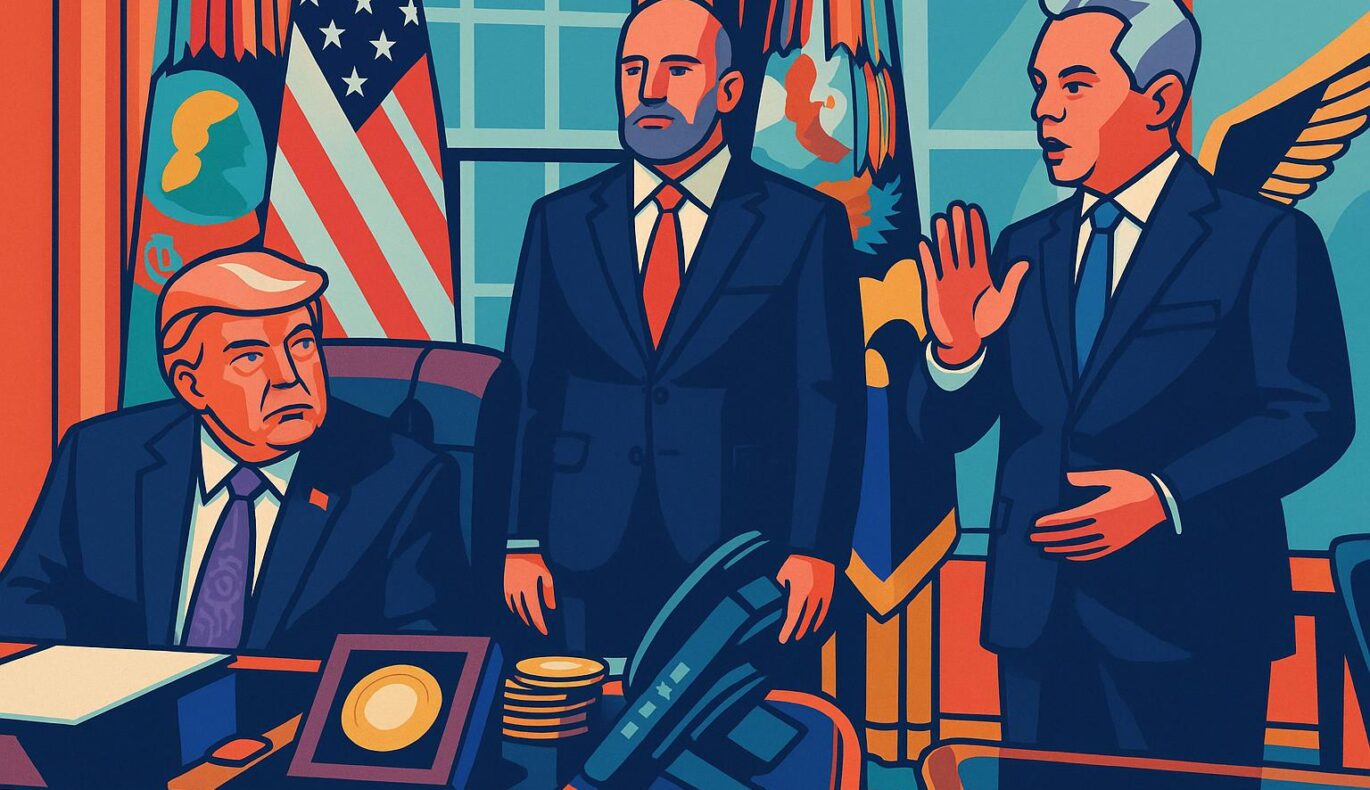
The Oval Office was abuzz on a recent Thursday evening as a monumental event unfolded. In attendance were President Donald Trump and Commerce Secretary Howard Lutnick, their focus directed towards White House artificial intelligence (AI) and crypto czar, David Sacks. As they observed, Sacks was tasked with overseeing an event that is set to send ripples through the nation’s technology sector – the President signing an executive order regarding the regulation of artificial intelligence.
In what one may consider a bold advancement, the executive order aims to centralize power over AI regulation within the federal government. While the order itself cannot single-handedly override state laws on AI, it is designed to guide federal agencies towards reducing or dismissing their influence. It also discourages states from passing laws the federal government may wish to challenge and puts the threat of cutting crucial funding for other programs over their heads.
States’ AI Laws in the Balance
The executive order directs its spotlight in particular towards Colorado’s newly minted consumer protection law, which brings the regulation of ‘algorithmic discrimination’ to the forefront. The federal government claims this as an overreach, and as per the signed order, considers the elimination of such state-law obstructions a top priority.
The administration’s move beyond doubt represents a significant shift in the regulatory landscape for artificial intelligence. With the President’s signature marking a turning point, the repercussions and responses from individual states and tech companies will be watched keenly. As we enter this new era of AI governance, it is imperative to question: How will this push-and-pull between federal and state legislations shape the future course of AI technology in America?
The days ahead hold the answers we all seek. No matter the outcome, one aspect is irrefutable – this defining moment underlines the continually increasing significance of artificial intelligence in shaping our world and reiterates the need for robust and balanced legislation in this rapidly evolving technology landscape.
For the full story, head over to The Verge.