

News of the Trump administration rolling back Biden-era restrictions on mercury and other toxic pollutants from power plants has sent shockwaves throughout the environmental community. The repealed restriction, known as Mercury and Air Toxics Standards (MATS), comes just when electricity demand in the US is increasing due to the construction of new Artificial Intelligence data centers.
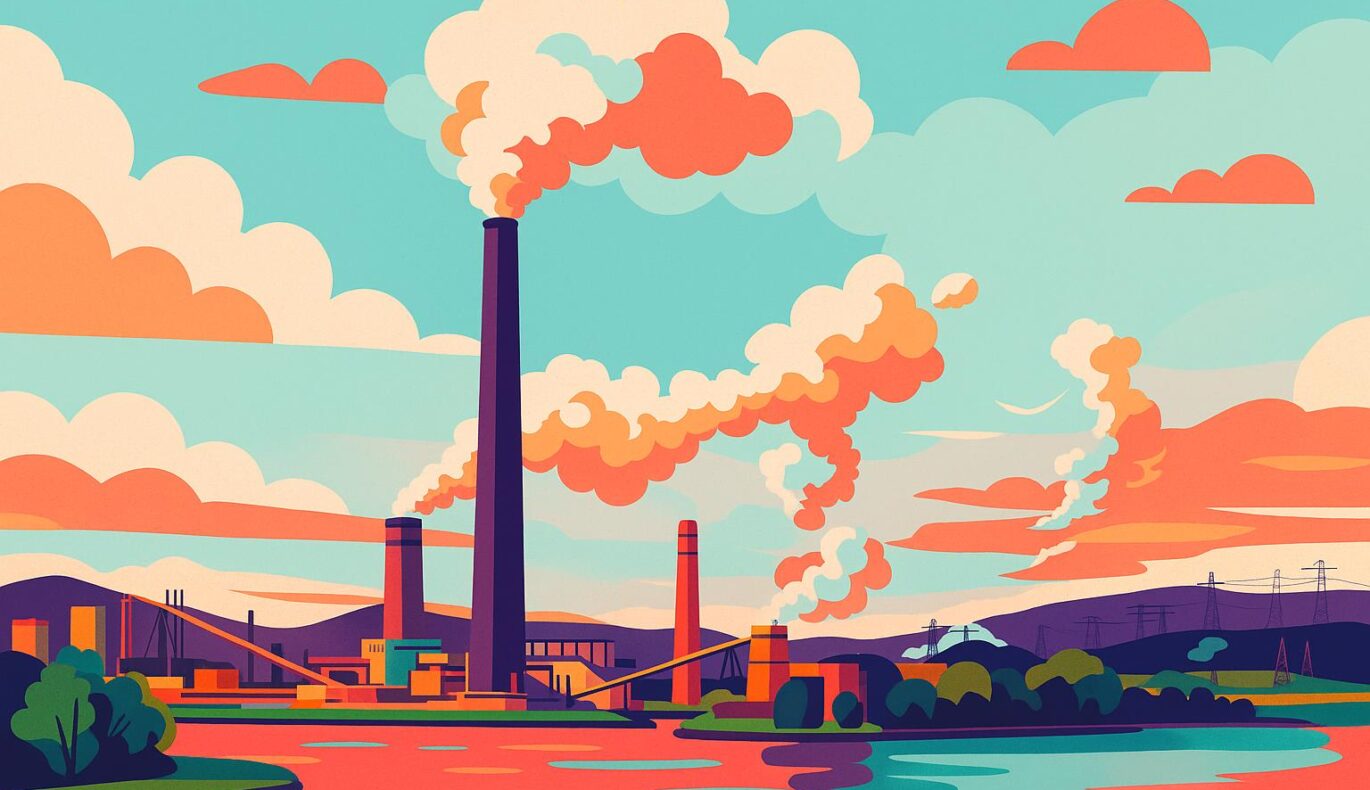
Located in Roane County on the shore of Watts Bar Lake stands Kingston Fossil Plant, a 1.4-gigawatt coal-fired power plant. Emitting a cloud of smoke above the shimmering lake, it paints a stark picture of the environmental implications of coal plants. The repeal of MATS puts power plants like this one at the center of a heated environmental conversation.
The restrictions that have just been discarded play a significant role in curbing pollution from coal plants, which are responsible for around half of the mercury emissions in the United States. The dangers of mercury, a potent neurotoxin, are well-documented. High exposure can lead to birth defects and learning disabilities in children. It can also harm the functioning of our kidneys and nervous system.
The Trump administration’s deregulation spree, as some describe it, aims to make it easier for construction and operation, especially under the increasing energy demand. However, these new rules may come at a high cost, potentially jeopardizing health and environmental protection efforts.
The scrapping of such crucial environmental protections raises an important question: Can we achieve technological advancement and economic growth without compromising our planet’s health? With the repeal of MATS, power plants, especially those using coal, may have fewer restrictions on their operations. Still, at the same time, they could be churning out more hazardous pollutants which can be detrimental to not only human health but also the biodiversity that surrounds these plants.
As the demand for electricity soars, driven by a need to power our ever-growing digital infrastructure, the release of toxic elements such as mercury becomes an urgent concern. The decision to roll back restrictions demands a renewed commitment to cleaner energy and sustainable practices before irreversible damage is done.