

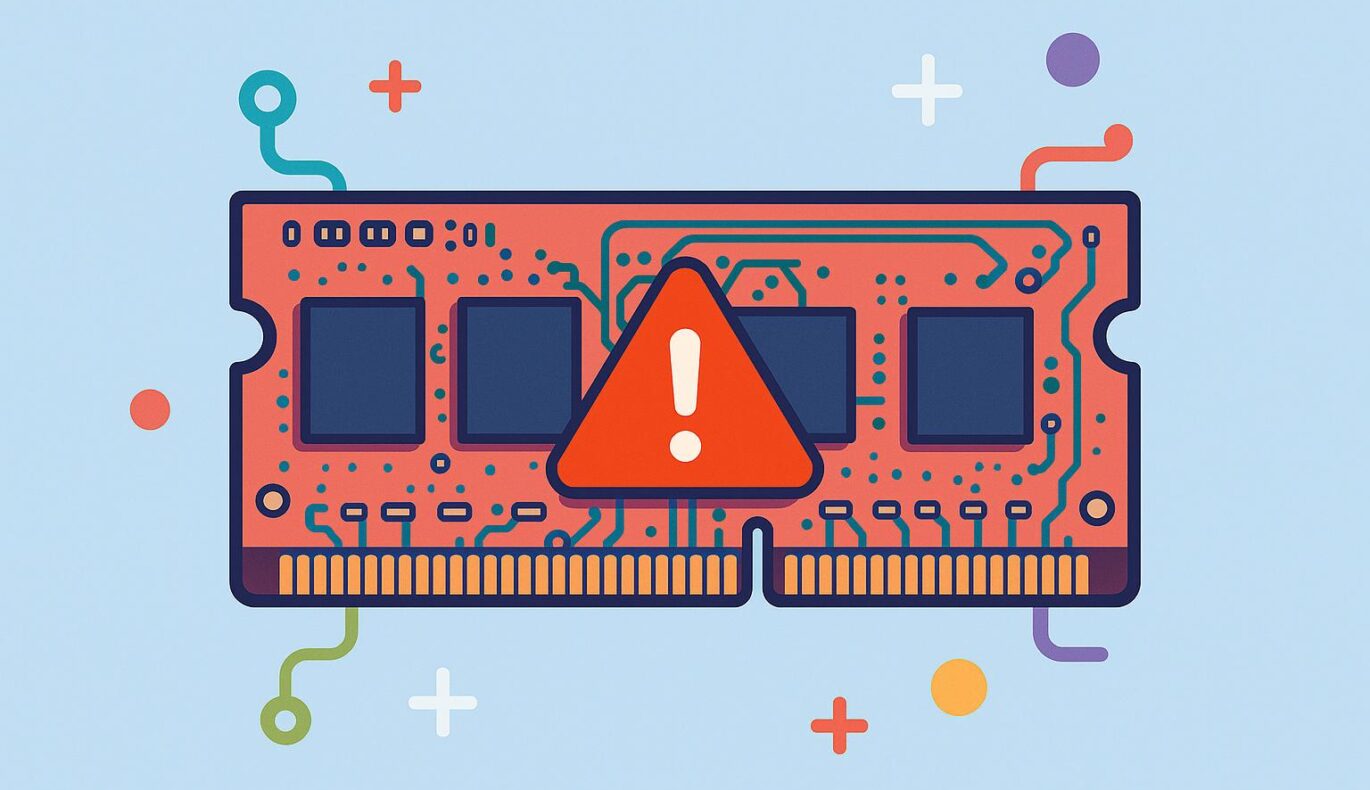
We’re in the fizz of a digital revolution where technology is man’s best friend, but it seems like this friendship is on rocky grounds. The tech world’s lifeline, memory chips, are in shortage, and this is set to persist for a few more years. According to a report by Nikkei Asia, even though suppliers are intensifying DRAM (Dynamic Random Access Memory) production, they’re only expected to meet a dismal 60 percent of demand by the end of 2027. An even gloomier forecast comes from the chairman of South Korea’s SK Group who predicts that chip shortages could last a decade until 2030.
These tiny silicon chips are pivotal to a horde of our everyday devices like smartphones, laptops, and cars. Hence, their shortfall has severe ramifications for various industries and, by extension, our ultra-connected lives. This unprecedented scarcity is the result of a perfect storm triggered by an unexpected surge in demand and brutal supply chain disruptions.
The world’s largest memory makers, the triumvirate of tech – Samsung, SK Hynix, and Micron, are striving to boost fabrication capacity. Regrettably, the perks of these efforts won’t be seen until at least 2027, or probably a year later. Meanwhile, SK has marked the only increase in production among the troika by opening a fabrication plant in Cheongju in February 2026. But is this enough to meet the skyrocketing demand?
Hardly. Nikkei claims that production needs to rise by a massive 12 percent a year in 2026 and 2027 to satisfy the existing demand. However, market research firm Counterpoint Research has sobering news. Even with ramped up production, existing factories will barely be able to keep up pace with the ballooning demand.
As the saying goes, ‘you can’t escape the future’. If the prediction stands, there’s no turning back from this memory chip crisis. Yes, new technologies are entering the game – AI technologies being a notable one – and they’re brilliant. We’re captivated and held hostage by our insatiable desire for faster and better devices. So, as we dive headfirst into the future, the shortage of memory chips may well be a hurdle we must learn to live with.
After all, every revolution comes with its own set of tribulations, and the inevitability of a disruptive digital future is no exception. As we brace ourselves for this roller coaster ride, let’s hope that the industry’s efforts to overcome the scarcity bear fruit sooner rather than later. Otherwise, our hunger for technological advancement may just have to stay on a diet.
To read the full story, visit The Verge.