

The Dawn of AI Warfare
Imagine the swiftness with which future wars could be fought. Within the first 24 hours of the assault on Iran, the U.S. military was able to strike more than 1,000 targets. This is nearly twice the scale of the “shock and awe” attack on Iraq over two decades ago. Such an escalation in military efficiency was made possible through the application of Artificial Intelligence or AI, specifically referring to the Maven Smart System.
A Revolution in Targeting
AI systems have truly changed the face of warfare. Assisting in speeding up the process of locating and selecting targets; they deviate from traditional systems which were largely manual and time-consuming. Maven, for instance, facilitates quick decision-making and execution, thereby amplifying the military strike rate drastically. This revolution in targeting has redefined the strategic landscape in battles, marking a significant milestone in AI warfare.
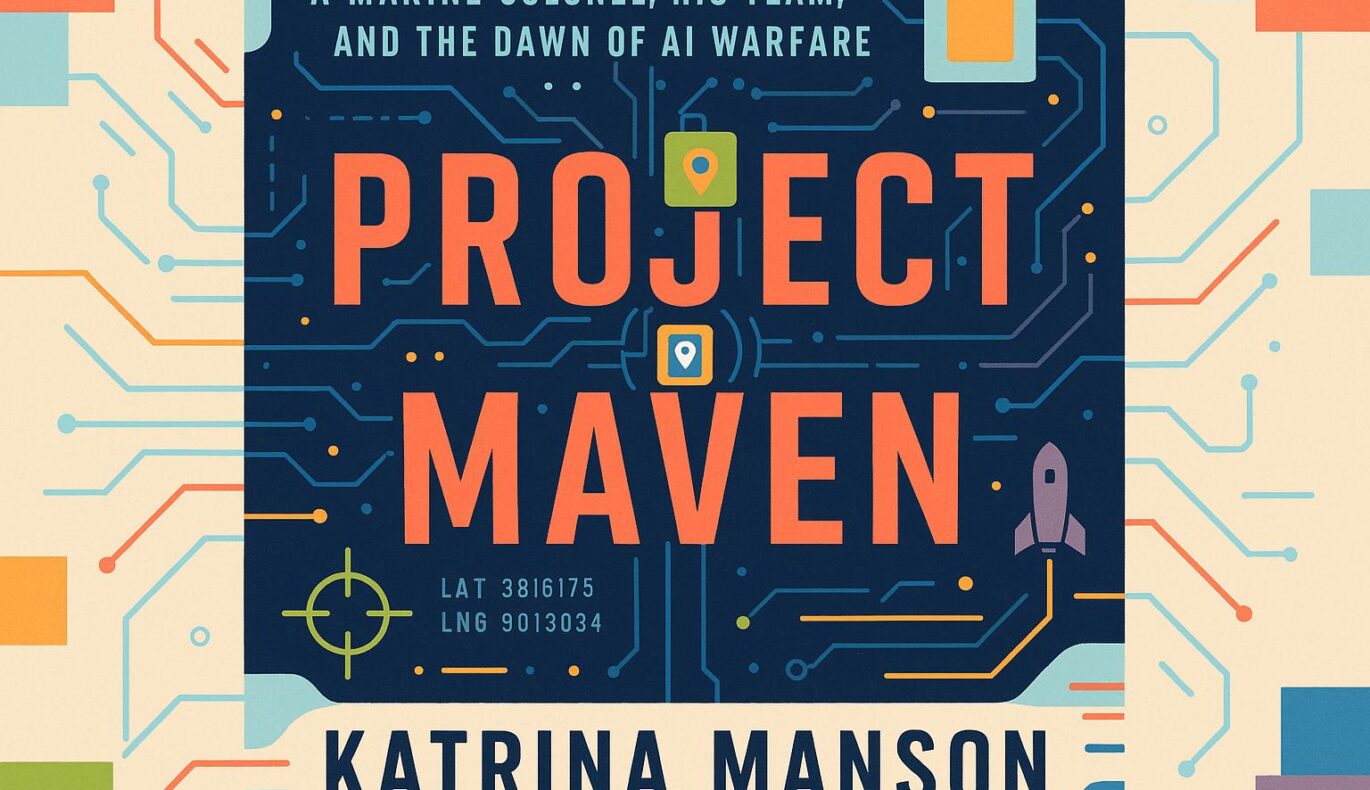
Journalist Katrina Manson brings to light the birth and evolution of the Maven Smart System in her latest book, “Project Maven: A Marine Colonel, His Team, and the Dawn of AI Warfare.” Introduced as an experimental model in 2017, Maven applies computer vision technology to drone footage. The creation of this AI system was a significant leap in technology application to warfare and military strategy.
However, the development of Maven was not without controversy. The operation resulted in protests by employees at Google, the military’s initial contracting partner. This upheaval raises crucial questions on the ethical dimensions of AI weaponry systems and their impact on society.
The unfolding of AI in warfare marks a shift in the nature of conflict and its resolution. While tools like the Maven Smart System can significantly enhance military efficacy and strategic planning, it also opens a Pandora’s box of moral and ethical issues, necessitating important conversations and policies in relation to AI warfare.
For a more comprehensive understanding of this profound shift in warfare, consider delving into Manson’s narration of “Project Maven” and the dawn of AI warfare as it will undoubtedly change the way we perceive modern military tactics.
Original article can be found at:
The Verge