
The end of Google I/O keynotes are often treated with a great sense of anticipation for what may be the next big technological innovation. This year, Google DeepMind CEO, Demis Hassabis took center stage with a declaration that could transform our approach to health. Hassabis, with characteristic composure, expressed the ambition for Google DeepMind to reinvent the drug discovery process with the ultimate aim of solving all disease. His words continue to resonate as observers ponder this remarkable claim.
Underpinned by a passion for medical innovation that coalesced with technological expertise, Google DeepMind is no stranger to ambitious aims. Already, they have made significant strides in fields such as AI and machine learning. Arguably, the prospect of curing all disease might sound implausible; however, when presented against the backdrop of this tech giant’s notable achievements, it engenders a certain degree of credibility.
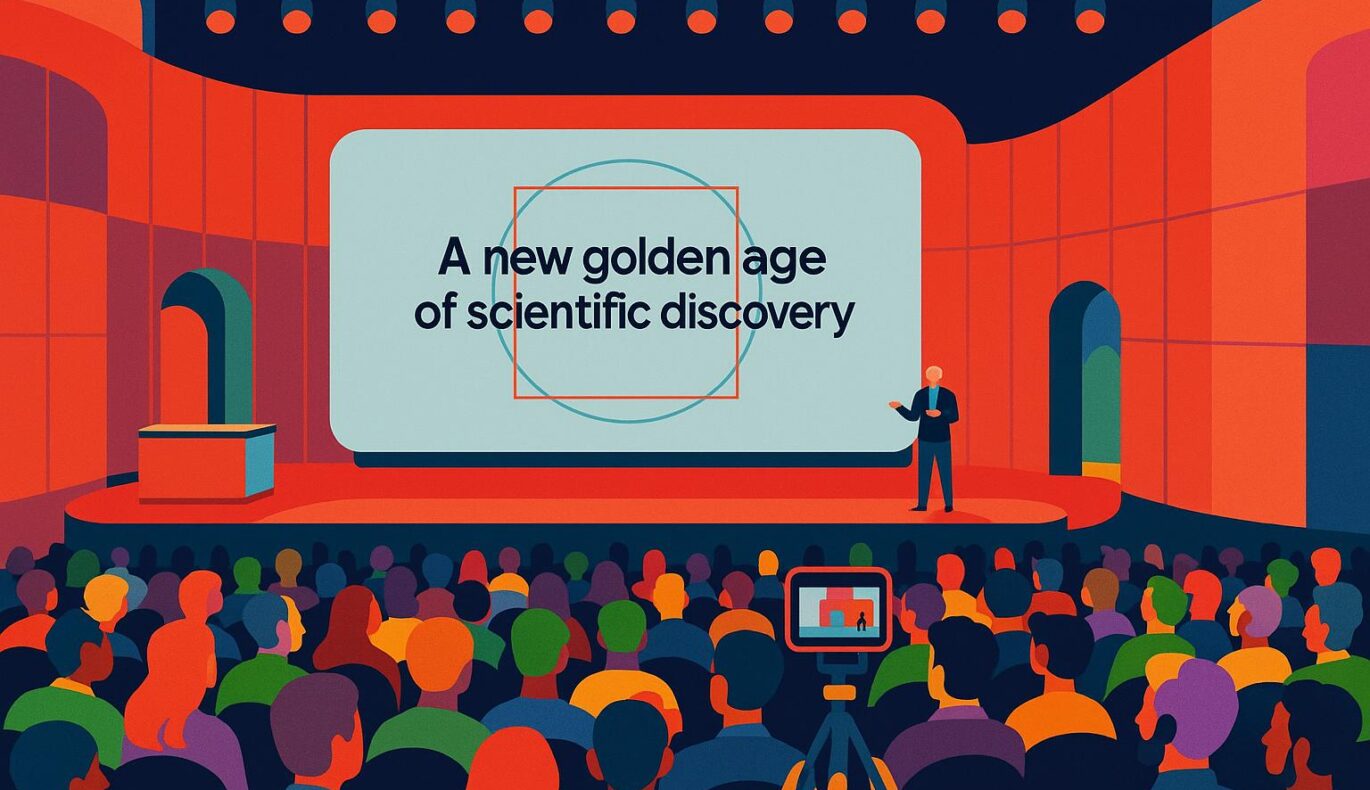
Hassabis’ bold statement set the tone for another vibrant Google I/O session, which grounded itself in a vision for the future rooted in scientific discovery. Behind him, the screen bore a phrase that aptly summed up this spirit: “A new golden age of scientific discovery”. The sense of promise and vision felt infectious, pushing the boundaries of what we envisage as possible in a world increasingly led by technology.
This grand, audacious goal laid out before the audience brings to fore a number of questions about the future of health and technology. How can Google DeepMind reshape the drug discovery process? What roles will artificial intelligence and machine-learning play in meeting this lofty target of curing all disease? With numerous queries arising from this assertion, it becomes clear this statement is not one to be dismissed lightly.
While there is no concrete roadmap revealed for this proposed reimagining of drug discovery, Google DeepMind’s past odysseys into health technology projects suggest forthcoming ventures that might just realize this vision. Remember, Google’s DeepMind has already made headlines for its role in creating AlphaFold, an AI program that can predict protein structure — a fundamental factor in disease understanding and drug development. This achievement was hailed as a solution to a problem that had puzzled scientists for half a century.
In addition, Google’s quantum computing project, Project Gemini, strives to further unravel the mysteries of nature and accelerate solutions to challenges in diverse fields, including health. With these monumental undertakings having already kicked off, the journey towards Hassabis’s stated goal might be closer than we think.
To conclude, Hassabis’s announcement is laden not just with lofty vision, but with a promise. A promise that is supported by Google DeepMind’s track record and its continuous ability to push the frontier in technological innovation. It’s a bold statement without a doubt, yet the possibilities it opens make it a pursuit worth watching. In that vision, we find the potential for drastic shifts in how health is approached, leading us to indeed a “new golden age of scientific discovery”.