
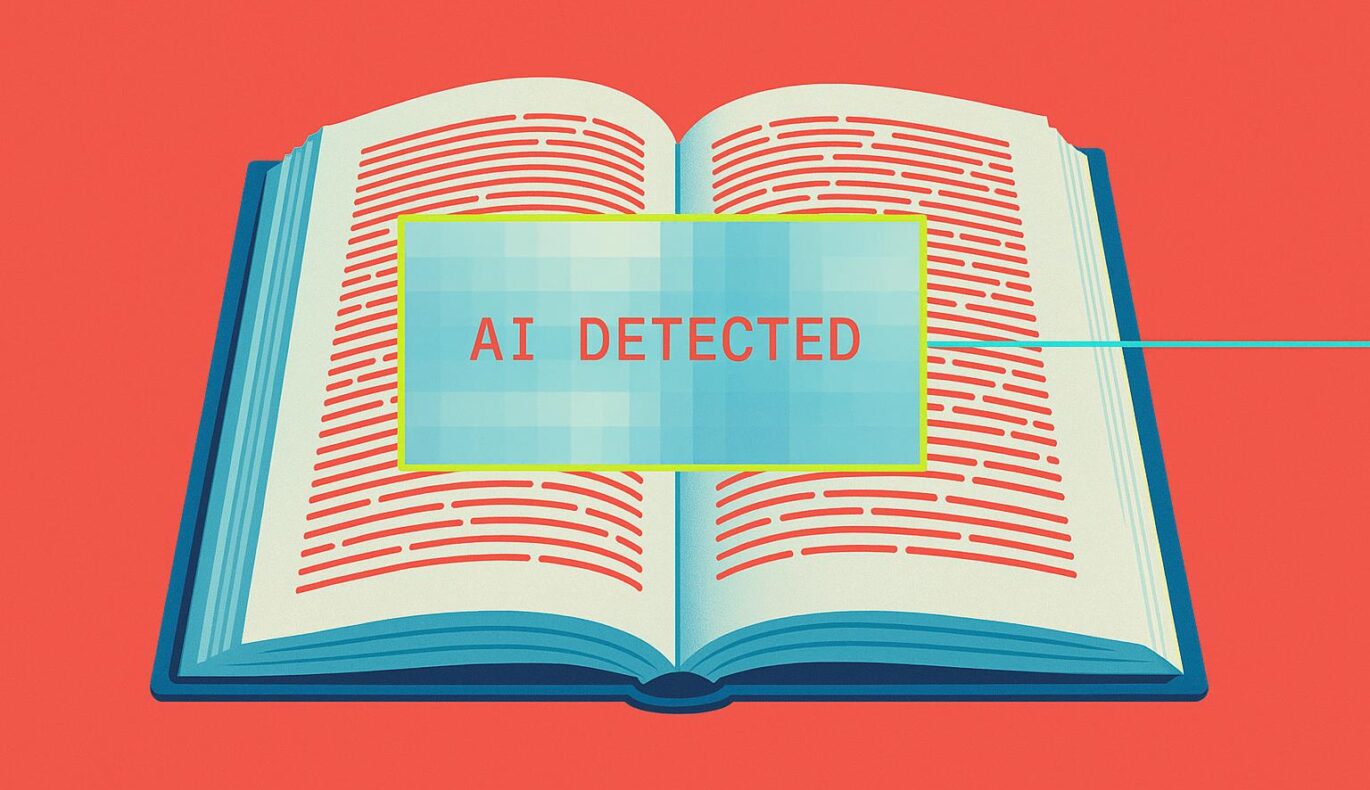
With technological advancements taking gigantic strides, artificial intelligence has planted its roots in various domains, including literature. The leap from anti-plagiarism tools that educators previously optimized for detecting authored content’s authenticity seems puny compared to AI-driven applications that create content themselves. Today’s AI technology has the capability to scan, evaluate, churn out text, shattering conventional literary boundaries.
The journey of AI infused writing began as a humble effort to ensure integrity in the academic world. Teachers and editors would make use of anti-plagiarism applications to ensure authenticity in the works submitted by students and writers. These platforms would juxtapose the submitted work against an extensive database, stuffed with content from the internet, scholarly work, and more. By identifying matching phrases and sentences, these tools would offer a percentage score signalling the probability of plagiarism.
ChatGPT – A New Dawn
With the inevitable advent of ChatGPT, the writing scene underwent a massive evolution. Designed as a generalized pre-training system, this AI model learns from a vast corpus of the internet text. The end result is a model so efficient it can adopt the same patterns in combining words to frame meaningful, coherent sentences.
The capabilities of AI writing machines spread beyond mere phrase formulation. These models can structure essays with argumentative frameworks, create poetry with intricate rhymes, and even generate reports with a professional tone. The lines between human and AI are blurring, rendering it challenging to distinguish AI-generated content from human-written text.
The magic lies in the inner workings of AI models. These systems manage to pick up the subtle undertones of language, including metaphors, cultural nuances, and even emotions. The program adopts the way humans communicate, resulting in a fascinating yet vaguely unsettling literary simulation.
Challenges and Ethical Implications
While the rise of AI text generation carries remarkable potential, it also brings a host of challenges and ethical concerns to the table. The most pressing question about AI-generated text is its authenticity. AI now holds the power to generate content so intricate, so human-sounding, and so unique, that anti-plagiarism tools stumble.
Moreover, the manipulation and misuse potential of AI-driven writing is significant. There are cases of AI-generated “deepfake” texts, where machine learning models create misinformation or counterfeit narratives designed to deceive readers. So the question arises, how does one maintain the authenticity and trust in an era riddled with AI-made literature?
While the future of AI and writing holds considerable promise, it also summons the need for regulatory measures and ethical policies. As AI continues to penetrate our lives, maintaining the fine balance between utilizing intelligent tech and preserving human essence in literary arts becomes crucial. Exciting as it may be, this new age of AI-generated text also calls for vigilance, skepticism, and an evolved definition of authorship.
For a more detailed discussion, visit the original article here.