
In a time when we’re becoming increasingly swamped by a torrent of digital content, Instagram boss Adam Mosseri closes out 2025 with a deep dive into what he terms an era of “infinite synthetic content.” And it’s more than just mere embellishment or enhancement of our digital experiences. It’s an age where boundaries blur between reality and digital representation as Mosseri explains.
It seems hard to imagine now, but there was a time when Instagram was dominated by authenticity and moment capturing. Its bread and butter lay in the ability to freeze a moment in time and share it with the world – a quick brunch snap, a sunset view from your window, a candid snapshot of your pet. The ‘old’ Instagram was more personal, real and it felt surprisingly human in stitching together our lived experiences. As the years rolled by, the platform evolved, and so did our perceptions. Mosseri makes a poignant observation about how this personal feel has been “dead” for years.
Most of us have experienced a sense of jolt upon encountering an image or video that’s just ‘too perfect’ or ‘too professional’ to be real. The sophistication of filter overlays, the picture-perfect composition, the tonal accuracy and light play have led many of us to question the authenticity of such content. Last year, The Verge’s Sarah Jeong remarked that “…the default assumption about a photo is about to become that it’s faked, because creating realistic and believable fake photos is now trivial to do”.
In light of this, Mosseri reflects on a time when photographs and videos were trusted sources of reality. A snapshot was just that – a direct representation of a moment, raw and unprocessed. The consensus seems to be that those days are behind us.
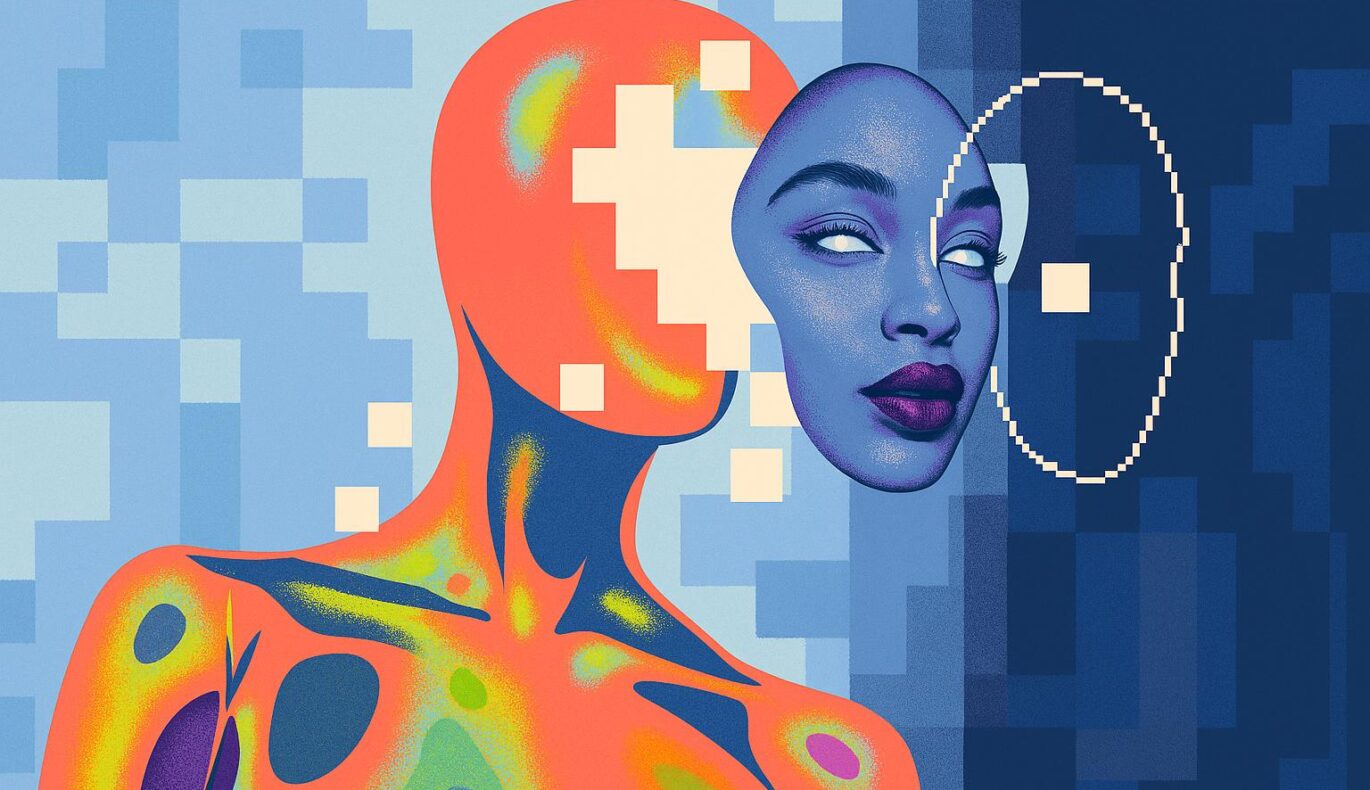
Mosseri’s remarks are a chilling prompt. They welcome us into an age where the line dividing reality and artificially generated content is fast fading. The ramifications of this paradigm shift, though, take us down roads less travelled. As we tread carefully into this new era, it leaves us with an unsettled question – what role does ‘truth’ play in the age of AI-powered illusions?