
It’s no secret that tech companies love pushing the boundaries of technology innovation, and AI glasses are the latest endeavor in this realm. Two of the biggest players in the global tech arena, Google and Samsung, have unveiled their feats of engineering in personal smart eyewear. Still, despite the undeniable beauty of this technological marvel, significant challenges loom in the backdrop, particularly in the realm of privacy.
Emerging from their collaborative work with eyewear brands Gentle Monster and Warby Parker, these fashionable pieces of technology are slated for debut in the fall season. Google and Samsung have been dropping hints about these gadgets for a while, revealed the two initial designs during the I/O event in May. The newly introduced frames only intensified the anticipation for the much-awaited release, sporting a squared black casing from Gentle Monster and a rounded, reddish-brown style from Warby Parker.
But what brings a groundbreaking status to these smart glasses isn’t exactly the eyewear fashion scene’s newest trends – quite the contrary. It is the impressive 9-hour battery life, making these glasses more than just a style statement. They turn the mundane act of wearing glasses into a daily productivity and connectivity tool, breathing in a new level of hands-free functionality.
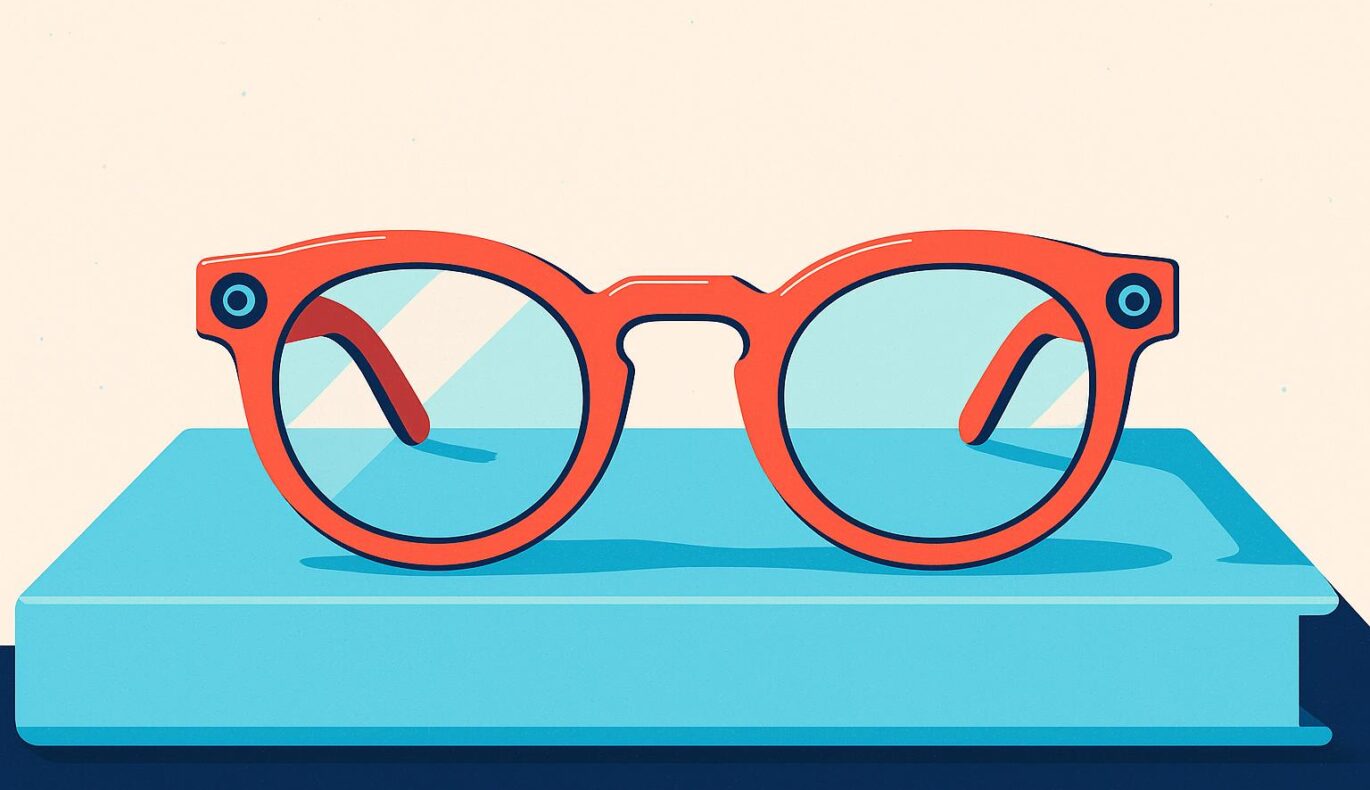
And yes, just like the Meta’s infamous glasses, there is a camera in each pair of Samsung and Google’s AI glasses. The idea of people walking around with a camera on their face all the time may invoke Orwellian fear among privacy disciples, a source of concern that the two tech giants are yet to address. It may also bring about the déjà vu of the Google Glass privacy backlash faced years ago.
To this end, it would seem that Google, Samsung, and other tech firms venturing into the AI glasses scene face a veritable task. They have to strike a balance between innovative personal technology that meets user experience expectations, and not raising eyebrows in terms of sensitive privacy issues.
Much is to be seen how this pans out – will the potential utility of camera-fitted, AI-powered glasses supersede possible privacy concerns? Will the masses embrace the product regardless of the reservation of their personal privacy? Or will Google and Samsung take one for the team and address these privacy concerns head on? With the autumn release just around the corner, these questions are in everyone’s mind. But one thing is certain – technology is not slowing down, and neither are the challenges that come with it.