
OpenAI wstrzymuje Deepfakes Martina Luthera Kinga Jr. po skargach
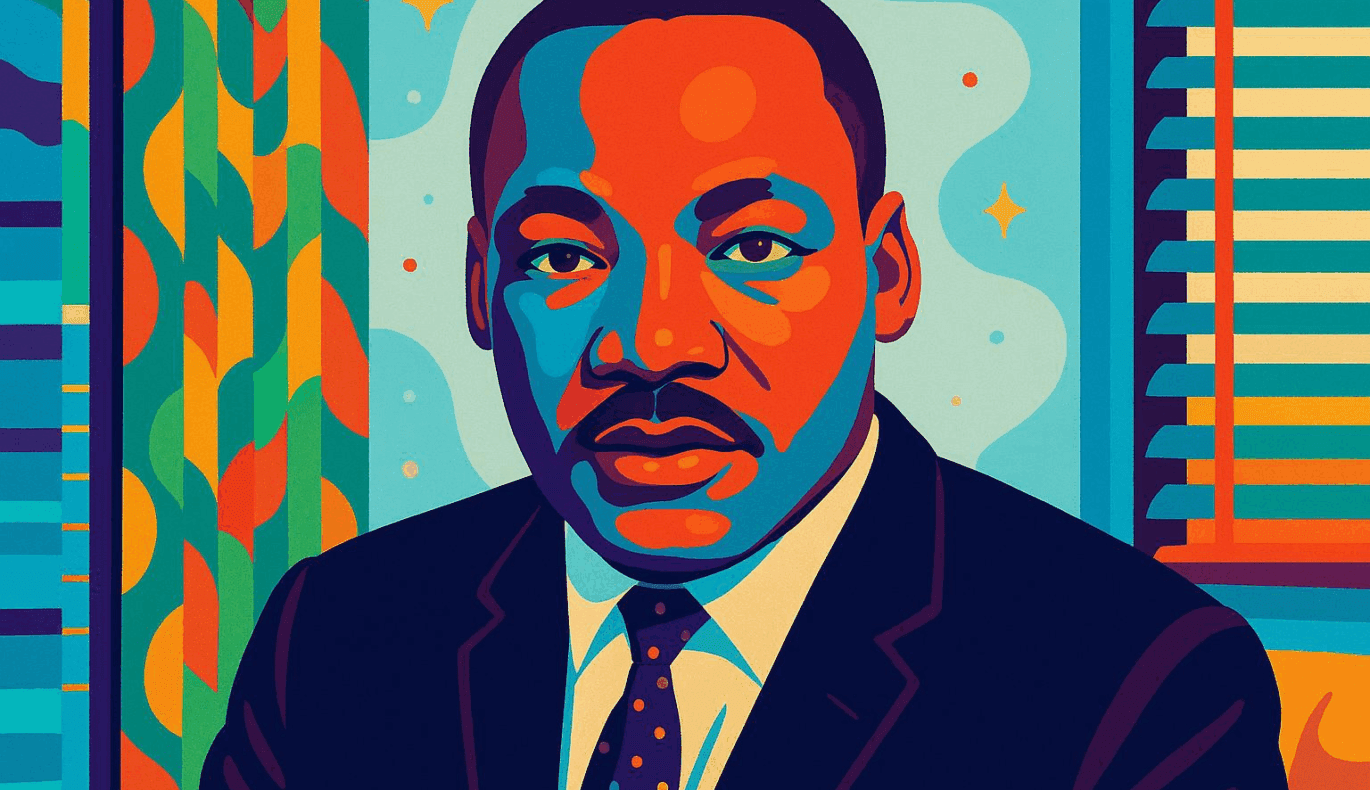
OpenAI zainicjowało wstrzymanie publikacji deepfake'ów Martina Luthera Kinga Jr. w swojej aplikacji społecznościowej Sora. Decyzja ta została podjęta po skargach użytkowników, którzy uznali niektóre z wygenerowanych przez sztuczną inteligencję filmów przedstawiających zmarłego działacza na rzecz praw obywatelskich za pozbawione szacunku. Szczególne obawy pojawiły się ze strony majątku Martina Luthera Kinga Jr. i jego córki, Bernice King, po rozpowszechnieniu tych obraźliwych filmów. Skłoniło to OpenAI do ponownego rozważenia swojej strategii, przyznając teraz właścicielom nieruchomości postaci historycznych prawo do rezygnacji z wykorzystywania ich podobizny na platformie, zapewniając większy szacunek i świętość takich historycznych ikon.
Pierwotnie opracowana jako narzędzie do kreatywności i swobodnej ekspresji, Sora pozwoliła użytkownikom na reanimację zmarłych celebrytów i znanych postaci historycznych, często przywracając ich do życia w prymitywnych i obraźliwych obrazach. Martin Luther King Jr. był jednym z wielu, którzy w ten sposób pojawili się na Sora, co doprowadziło do oburzenia o szacunek dla tych osób i ich dziedzictwa.
Zmieniające się stanowisko OpenAI w sprawie postaci historycznych i praw autorskich
W odpowiedzi na te obawy, OpenAI we współpracy z King, Inc. wydało oświadczenie w tej sprawie. "Na prośbę King, Inc., OpenAI wstrzymało generacje przedstawiające dr Kinga, ponieważ wzmacnia zabezpieczenia dla postaci historycznych" - powiedziała firma. OpenAI potwierdziło znaczenie wolności słowa w przedstawianiu postaci historycznych, ale także podkreśliło potrzebę zachowania przez osoby publiczne i ich rodziny kontroli nad sposobem wykorzystywania ich podobizny.
W związku z tym OpenAI pozwoli teraz autoryzowanym przedstawicielom i właścicielom nieruchomości zażądać ograniczenia wykorzystania ich podobizny w kameach Sora. Ta korekta strategii jest zgodna z podejściem OpenAI do praw autorskich, co po raz pierwszy pokazano po uruchomieniu Sory. Wcześniej kontrowersyjny protokół "opt-in" został wprowadzony dla posiadaczy praw w następstwie obszernych przedstawień postaci chronionych prawem autorskim, takich jak Rick i Morty, Pikachu i SpongeBob Kanciastoporty.
Jednakże, podczas gdy prawo autorskie ma ugruntowane ramy federalne, nie istnieje taka konstrukcja chroniąca podobizny osób fizycznych. Różne przepisy stanowe zezwalają na podjęcie działań prawnych przeciwko nieautoryzowanemu wykorzystaniu wizerunku osoby żyjącej (a czasami zmarłej). W Kalifornii, gdzie działa OpenAI, prawo do prywatności po śmierci jest wyraźnie rozszerzone na renderowane przez AI wizerunki wykonawców.
Wraz z dalszym rozwojem technologii, wyzwania prawne i etyczne stojące przed platformami opartymi na sztucznej inteligencji, takimi jak Sora firmy OpenAI, również ulegną zmianie. Słuchając opinii użytkowników i odpowiednio dostosowując swoją politykę, OpenAI daje przykład branży technologicznej, jak poruszać się po delikatnej równowadze między innowacjami a szacunkiem dla postaci historycznych i ich dziedzictwa.
Oryginalny artykuł: The Verge