
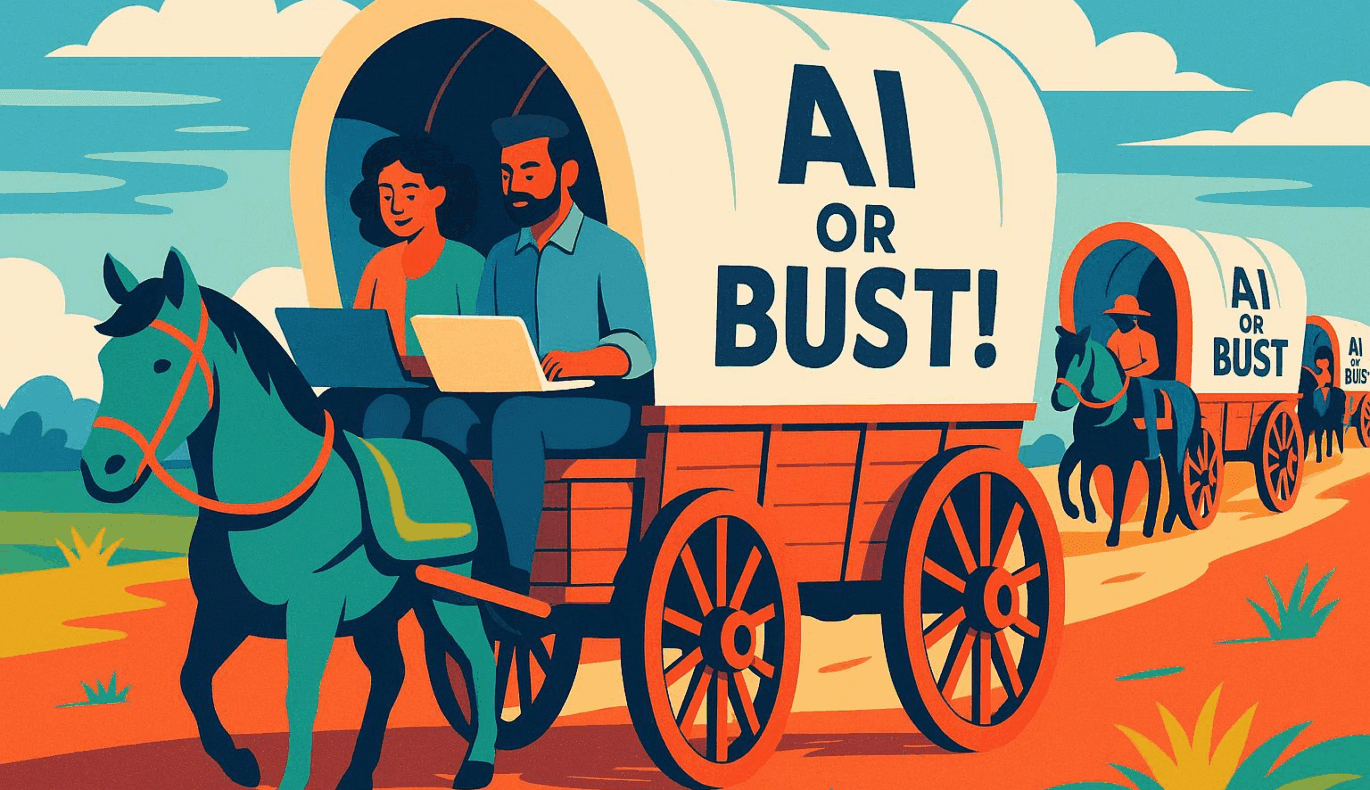
بينما نقف على حافة عصر الذكاء الاصطناعي (AI)، فإن ضجة الإثارة ملموسة. فتقنيات الذكاء الاصطناعي لديها القدرة على إحداث ثورة في الصناعات وإعادة تشكيل الاقتصادات وتحويل حياتنا اليومية. ومع ذلك، وبقدر ما قد تكون الاحتمالات مبهجة، فإن هجرة الذكاء الاصطناعي تواجهنا أيضًا بتساؤل واقعي: ماذا سيحدث إذا تسارع هذا الانتقال، تاركًا شرائح كبيرة من القوى العاملة في الخلف بسبب الخوف أو المقاومة أو عدم القدرة على التكيف؟
مثل هذا السيناريو ليس بعيد المنال كما قد يأمل البعض. فعلى مدى عقود، كان التقدم التكنولوجي يفوق جاهزية القوى العاملة. من الأتمتة في مجال التصنيع إلى التحول الرقمي في مختلف القطاعات، غالبًا ما كان الانتقال وعرًا، واتسم بالمخاوف بشأن الأمن الوظيفي وتقادم المهارات وعدم المساواة الاجتماعية. إذا تسارعت وتيرة دمج الذكاء الاصطناعي كما هو متوقع، فقد تصبح هذه القضايا أكثر إلحاحًا.
فهم هجرة الذكاء الاصطناعي
يشير مصطلح "هجرة الذكاء الاصطناعي" إلى التحول المستمر نحو دمج تقنيات الذكاء الاصطناعي في مختلف جوانب حياتنا، لا سيما في مكان العمل. وهو ينطوي على أتمتة بعض المهام، وتحسين العمليات من خلال اتخاذ القرارات المعززة بالذكاء الاصطناعي، وحتى إنشاء وظائف جديدة تركز على الذكاء الاصطناعي. ولكن الأمر لا يتعلق فقط بالتغييرات التكنولوجية. تشمل هجرة الذكاء الاصطناعي أيضاً التعديلات الاجتماعية والاقتصادية والثقافية التي تصاحبها.
في حين أن القفزات التكنولوجية المتقدمة يمكن أن تخلق فرص عمل وتدفع عجلة التقدم الاقتصادي، إلا أنها يمكن أن تشكل تحديات أيضاً. ويتمثل أحد الشواغل الرئيسية في الإزاحة المحتملة للعمال في الوظائف المعرضة للأتمتة. وعلى الرغم من الوعود بالوظائف الجديدة المرتبطة بالذكاء الاصطناعي، إلا أن الواقع المباشر بالنسبة للكثيرين قد يكون البطالة أو العمالة الناقصة.
العنصر البشري في عصر الذكاء الاصطناعي
في خضم الإثارة التي تحيط بالذكاء الاصطناعي، من المهم عدم إغفال العنصر البشري. فبقدر ما يمكن أن تكون فوائد الذكاء الاصطناعي ذات مغزى، فإنها لن تكون ذات قيمة كبيرة إذا تُركت أجزاء كبيرة من القوى العاملة في العراء، غير قادرة أو غير راغبة في التكيف مع ثورة الذكاء الاصطناعي.
ويمكن أن تؤدي عوامل مثل الخوف من التكرار أو عدم الثقة في التكنولوجيا الجديدة أو نقص الموارد اللازمة لتعلم مهارات جديدة إلى إعاقة أو حتى إعاقة هجرة الذكاء الاصطناعي. ويمكن أن يؤدي ذلك إلى توسيع الفجوات الاجتماعية والاقتصادية، حيث يجني القادرون على الاستفادة من الذكاء الاصطناعي الفوائد بينما يتخلف الآخرون عن الركب.
علاوة على ذلك، فإن مقاومة الذكاء الاصطناعي لا تتعلق فقط بالحفاظ على الذات. فهناك مخاوف حقيقية بشأن الآثار الأخلاقية للذكاء الاصطناعي، وتأثيره على الخصوصية، وإساءة استخدامه المحتملة. هذه نقاط صحيحة يجب معالجتها إذا أردنا تحقيق إمكانات الذكاء الاصطناعي بالكامل.
هجرة الذكاء الاصطناعي: التحدي المستقبلي اليوم
إن التحدي الذي يفرضه الذكاء الاصطناعي ليس مجرد تحدٍ تكنولوجي. بل هو تحدٍ اجتماعي وثقافي واقتصادي. إن الوتيرة السريعة لابتكارات الذكاء الاصطناعي تجعل من الضروري أكثر من أي وقت مضى إعداد القوى العاملة لدينا للمستقبل. وهذا لا يعني فقط الاستثمار في البحث والتطوير في مجال الذكاء الاصطناعي، ولكن أيضًا في التعليم والتدريب وأنظمة الدعم الاجتماعي.
وسيتطلب التغلب على الخوف والمقاومة للذكاء الاصطناعي رؤية مشتركة لمستقبل مدعوم بالذكاء الاصطناعي - رؤية تعترف بالمخاطر المحتملة وتركز أيضًا على خلق الفرص للجميع. سيتطلب تحقيق ذلك الحوار والتعاون بين مختلف أصحاب المصلحة، بما في ذلك الحكومات والشركات والمؤسسات التعليمية والعمال أنفسهم.
في نهاية المطاف، لا يقتصر ضمان الانتقال السلس للذكاء الاصطناعي على ابتكار تكنولوجيا متطورة فحسب، بل يتعلق بخلق بيئة تعزز الفهم والقبول والقدرة على التكيف مع التغيير. ويبدأ ذلك بالتعرف على العقبات المحتملة واتخاذ خطوات، اليوم، لمواجهتها والتغلب عليها.
للمزيد من الأفكار حول ترحيل الذكاء الاصطناعي وتأثيراته المحتملة وكيفية ضمان الانتقال السلس له، راجع المقال الأصلي على VentureBeat.