
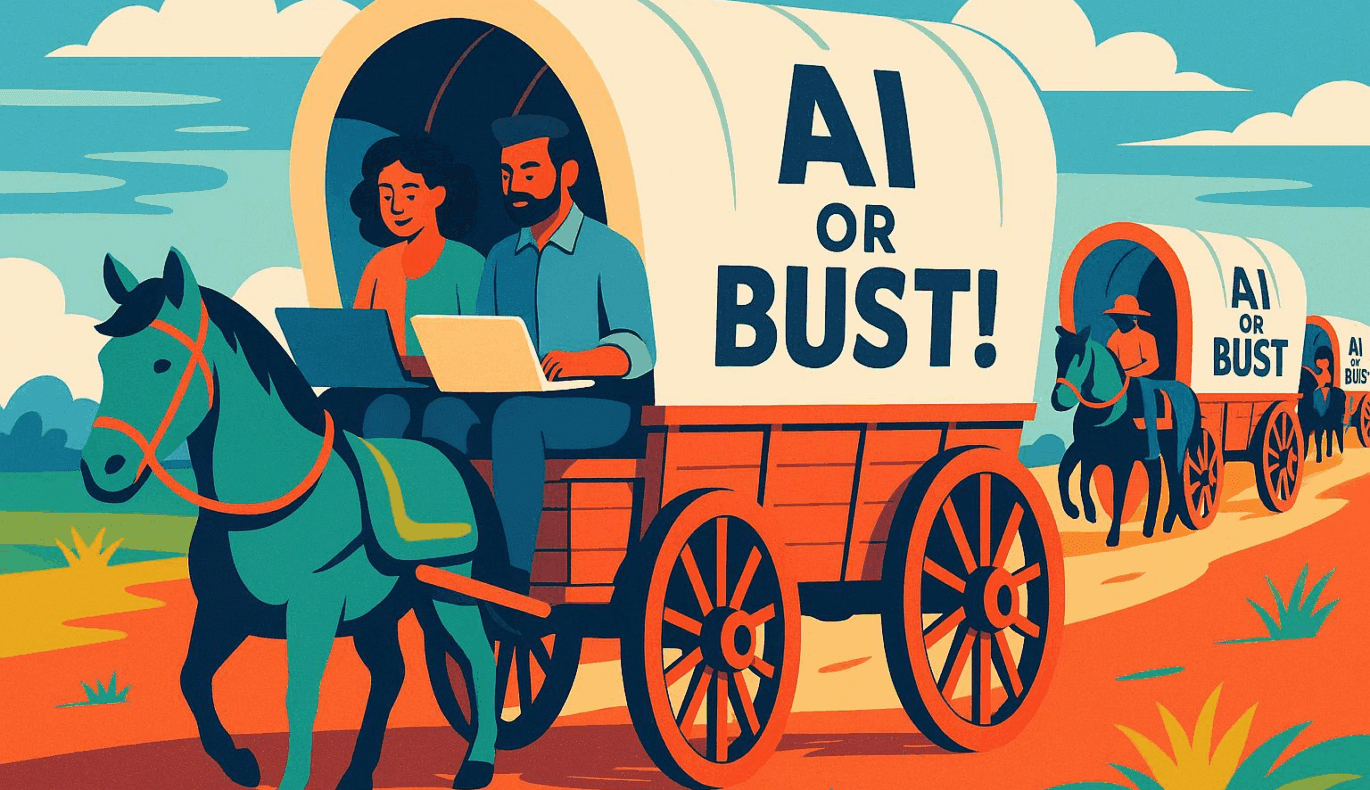
Estamos a las puertas de la era de la inteligencia artificial (IA) y el entusiasmo es palpable. Las tecnologías de IA tienen el potencial de revolucionar las industrias, remodelar las economías y transformar nuestra vida cotidiana. Sin embargo, por muy estimulantes que sean las posibilidades, la migración a la IA también nos plantea una pregunta aleccionadora: ¿Qué ocurre si esta transición se acelera, dejando atrás a importantes segmentos de la población activa por miedo, resistencia o incapacidad de adaptación?
Este escenario no es tan descabellado como algunos podrían esperar. Durante décadas, los avances tecnológicos han superado la preparación de la mano de obra. Desde la automatización en la fabricación hasta la transformación digital en diversos sectores, la transición ha sido a menudo accidentada, marcada por la preocupación por la seguridad en el empleo, la obsolescencia de las cualificaciones y la desigualdad social. Si el ritmo de integración de la IA se acelera como se prevé, estos problemas podrían ser aún más acuciantes.
Comprender la migración de la IA
La migración a la IA se refiere al cambio continuo hacia la incorporación de tecnologías de IA en diversos aspectos de nuestras vidas, especialmente en el lugar de trabajo. Implica la automatización de ciertas tareas, la mejora de los procesos con la toma de decisiones mejorada por la IA e incluso la creación de nuevos puestos de trabajo centrados en la IA. Pero no se trata sólo de cambios tecnológicos. La migración a la IA también abarca los ajustes sociales, económicos y culturales que la acompañan.
Aunque los avances tecnológicos pueden crear oportunidades de empleo e impulsar el progreso económico, también pueden plantear retos. Una preocupación clave es el posible desplazamiento de trabajadores en puestos vulnerables a la automatización. A pesar de la promesa de nuevas funciones relacionadas con la IA, la realidad inmediata para muchos podría ser el desempleo o el subempleo.
El elemento humano en la era de la IA
En medio del entusiasmo en torno a la IA, es crucial no pasar por alto el elemento humano. Por muy importantes que puedan ser los beneficios de la IA, no servirán de mucho si una parte significativa de la mano de obra se queda al margen, incapaz o no dispuesta a adaptarse a la revolución de la IA.
Factores como el miedo al despido, la desconfianza hacia las nuevas tecnologías o la falta de recursos para aprender nuevas habilidades podrían paralizar o incluso impedir la migración a la IA. Esto podría ampliar las brechas socioeconómicas, ya que aquellos capaces de aprovechar la IA cosechan los beneficios mientras que otros se quedan atrás.
Además, la resistencia a la inteligencia artificial no se limita a la autopreservación. Existe una verdadera preocupación por las implicaciones éticas de la IA, su impacto en la privacidad y su posible uso indebido. Son cuestiones válidas que deben abordarse si queremos aprovechar plenamente el potencial de la IA.
Migración de la IA: Un reto de futuro
En esencia, el reto que plantea la IA no es sólo tecnológico. Es un reto social, cultural y económico. El rápido ritmo de innovación de la IA hace que sea más importante que nunca preparar a nuestra mano de obra para el futuro. Esto significa no sólo invertir en investigación y desarrollo de IA, sino también en educación, formación y sistemas de apoyo social.
Superar el miedo y la resistencia a la IA exigirá una visión compartida de un futuro basado en la IA, una visión que reconozca los riesgos potenciales pero que también se centre en crear oportunidades para todos. Para lograrlo será necesario el diálogo y la colaboración entre las distintas partes interesadas, incluidos los gobiernos, las empresas, las instituciones educativas y los propios trabajadores.
En última instancia, para garantizar una migración fluida de la IA no basta con crear una tecnología de vanguardia, sino que hay que crear un entorno que fomente la comprensión, la aceptación y la capacidad de adaptarse al cambio. Y eso empieza por reconocer los posibles obstáculos y tomar medidas, hoy mismo, para encontrarlos y superarlos.
Para más información sobre la migración a la IA, sus posibles repercusiones y cómo garantizar una transición fluida, consulte el artículo original en VentureBeat.