
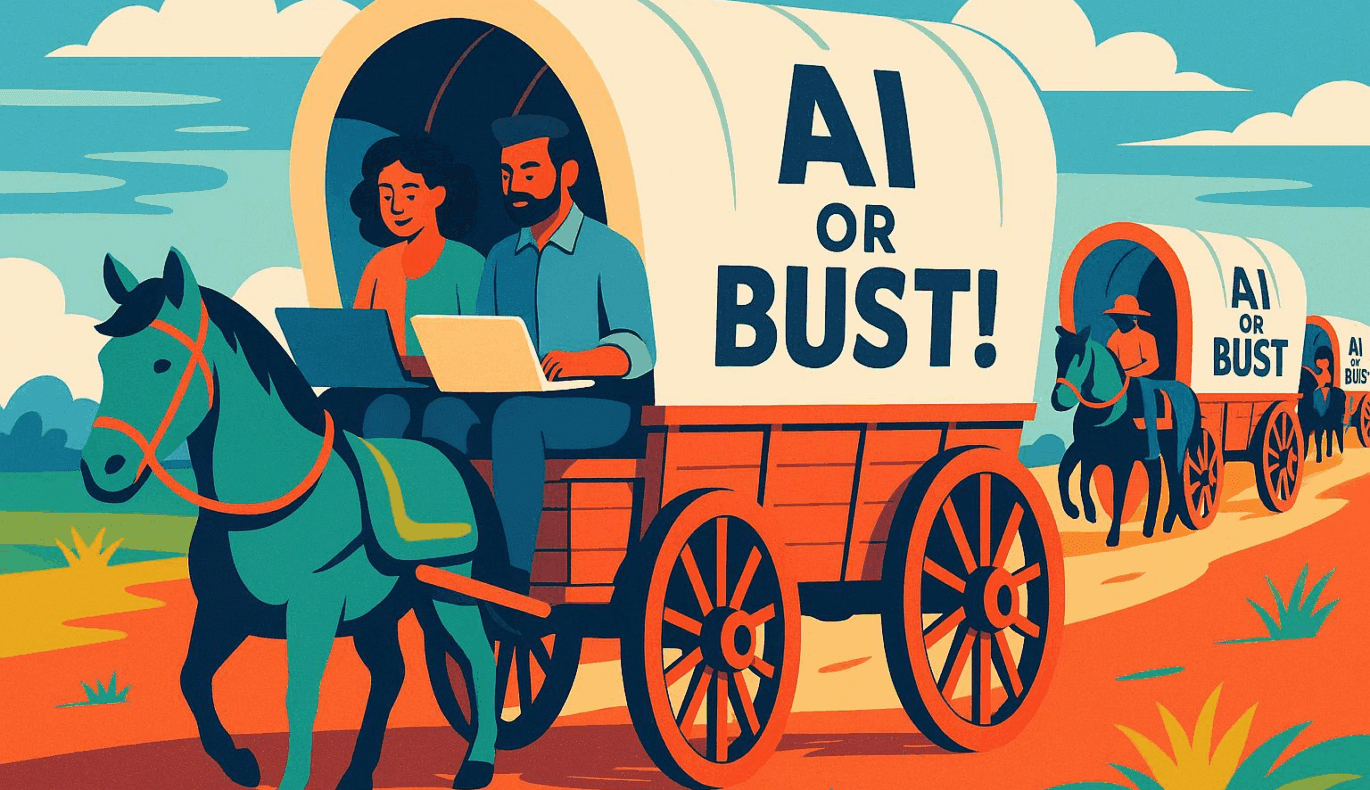
As we stand on the brink of the artificial intelligence (AI) era, the buzz of excitement is tangible. AI technologies have the potential to revolutionize industries, reshape economies, and transform our daily lives. Yet, as exhilarating as the possibilities may be, the AI migration also confronts us with a sobering query: What happens if this transition accelerates, leaving substantial segments of the workforce behind due to fear, resistance, or inability to adapt?
Such a scenario isn’t as far-fetched as some might hope. For decades, technological advances have been outpacing the workforce readiness. From automation in manufacturing to digital transformation in various sectors, the transition has often been bumpy, marked by concerns over job security, skill obsolescence, and social inequality. If the pace of AI integration quickens as predicted, these issues could become even more pressing.
Understanding the AI Migration
AI migration refers to the ongoing shift towards incorporating AI technologies in various aspects of our lives, particularly in the workplace. It involves automating certain tasks, improving processes with AI-enhanced decision-making, and even creating new AI-centric jobs. But it’s not just about technological changes. AI migration also encompasses the social, economic, and cultural adjustments that come along with it.
While leaps forward in technology can create job opportunities and drive economic progress, they can also pose challenges. A key concern is the potential displacement of workers in jobs vulnerable to automation. Despite the promise of new AI-related roles, the immediate reality for many could be unemployment or underemployment.
The Human Element in the AI Era
Amid the excitement around AI, it’s crucial not to overlook the human element. As meaningful as the benefits of AI can be, they won’t amount to much if significant portions of the workforce are left out in the cold, unable or unwilling to adapt to the AI revolution.
Factors such as fear of redundancy, distrust of new technology, or lack of resources to learn new skills could stall or even stymie AI migration. This could widen socio-economic gaps, as those able to leverage AI reap the benefits while others are left behind.
Moreover, resistance to AI is not just about self-preservation. There are genuine concerns about the ethical implications of AI, its impact on privacy, and its potential misuse. These are valid points that need to be addressed if we’re to realize the potential of AI fully.
AI Migration: A Future Challenge Today
In essence, the challenge posed by AI isn’t just a technological one. It’s a social, cultural, and economic one. The rapid pace of AI innovation makes it more critical than ever to prepare our workforce for the future. This means not just investing in AI research and development, but also in education, training, and social support systems.
Overcoming the fear and resistance to AI will require a shared vision of an AI-enabled future – a vision that acknowledges the potential risks but also focuses on creating opportunities for everyone. Achieving this will demand dialogue and collaboration between various stakeholders, including governments, businesses, educational institutions, and workers themselves.
Ultimately, ensuring a smooth AI migration is not just about creating cutting-edge technology – it’s about creating an environment that fosters understanding, acceptance, and the ability to adapt to change. And that begins with recognizing the potential hurdles and taking steps, today, to encounter and overcome them.
For more insights on AI migration, its potential impacts, and how to ensure a smooth transition, check out the original article on VentureBeat.