
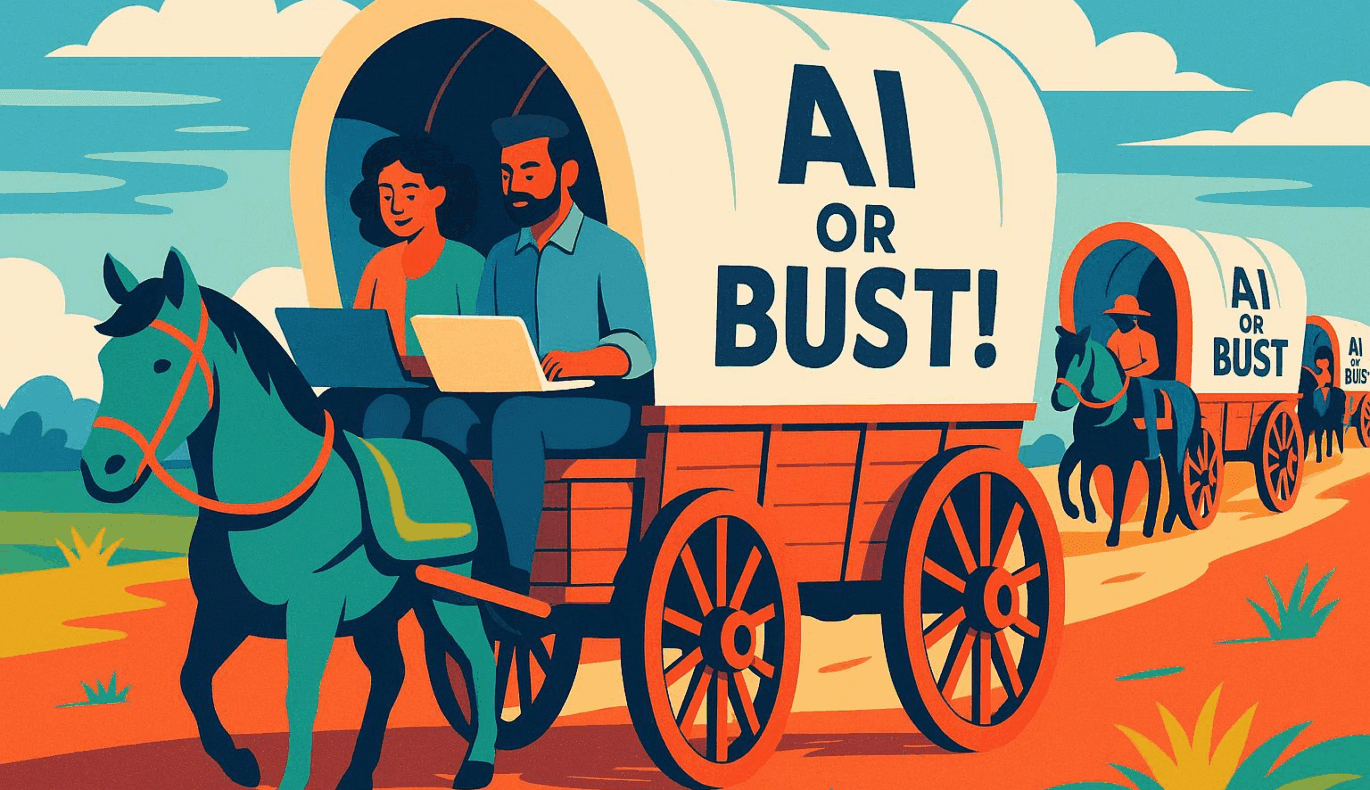
Stojąc u progu ery sztucznej inteligencji (AI), odczuwamy namacalne podekscytowanie. Technologie AI mają potencjał, by zrewolucjonizować branże, przekształcić gospodarki i odmienić nasze codzienne życie. Jednak, choć możliwości mogą być ekscytujące, migracja AI stawia nas również przed otrzeźwiającym pytaniem: Co się stanie, jeśli ta transformacja przyspieszy, pozostawiając znaczne segmenty siły roboczej w tyle z powodu strachu, oporu lub niezdolności do adaptacji?
Taki scenariusz nie jest tak odległy, jak niektórzy mogliby mieć nadzieję. Przez dziesięciolecia postęp technologiczny wyprzedzał gotowość siły roboczej. Od automatyzacji produkcji po transformację cyfrową w różnych sektorach, przejście to było często wyboiste, naznaczone obawami o bezpieczeństwo pracy, starzenie się umiejętności i nierówności społeczne. Jeśli tempo integracji sztucznej inteligencji przyspieszy zgodnie z przewidywaniami, kwestie te mogą stać się jeszcze bardziej palące.
Zrozumienie migracji sztucznej inteligencji
Migracja AI odnosi się do trwającej zmiany w kierunku włączenia technologii AI do różnych aspektów naszego życia, w szczególności w miejscu pracy. Wiąże się to z automatyzacją niektórych zadań, usprawnianiem procesów dzięki podejmowaniu decyzji z wykorzystaniem sztucznej inteligencji, a nawet tworzeniem nowych miejsc pracy zorientowanych na sztuczną inteligencję. Ale nie chodzi tylko o zmiany technologiczne. Migracja AI obejmuje również zmiany społeczne, gospodarcze i kulturowe, które się z nią wiążą.
Podczas gdy skoki technologiczne mogą tworzyć możliwości zatrudnienia i napędzać postęp gospodarczy, mogą one również stanowić wyzwanie. Kluczową kwestią jest potencjalne zwolnienie pracowników na stanowiskach podatnych na automatyzację. Pomimo obietnicy nowych ról związanych ze sztuczną inteligencją, bezpośrednią rzeczywistością dla wielu może być bezrobocie lub niedostateczne zatrudnienie.
Element ludzki w erze sztucznej inteligencji
Pośród ekscytacji związanej ze sztuczną inteligencją ważne jest, aby nie przeoczyć czynnika ludzkiego. Choć korzyści płynące ze sztucznej inteligencji mogą być znaczące, nie będą one miały większego znaczenia, jeśli znaczna część siły roboczej zostanie pozostawiona na lodzie, niezdolna lub niechętna do przystosowania się do rewolucji AI.
Czynniki takie jak strach przed zwolnieniem, nieufność wobec nowych technologii lub brak zasobów do nauki nowych umiejętności mogą zahamować lub nawet powstrzymać migrację do AI. Może to pogłębić różnice społeczno-ekonomiczne, ponieważ ci, którzy są w stanie wykorzystać sztuczną inteligencję, czerpią korzyści, podczas gdy inni pozostają w tyle.
Co więcej, opór wobec sztucznej inteligencji nie dotyczy wyłącznie samozachowawczości. Istnieją prawdziwe obawy dotyczące etycznych implikacji sztucznej inteligencji, jej wpływu na prywatność i potencjalnego niewłaściwego wykorzystania. Są to ważne kwestie, którymi należy się zająć, jeśli chcemy w pełni wykorzystać potencjał sztucznej inteligencji.
Migracja sztucznej inteligencji: Przyszłe wyzwanie już dziś
Zasadniczo wyzwanie, jakie stanowi sztuczna inteligencja, nie jest tylko wyzwaniem technologicznym. Jest to wyzwanie społeczne, kulturowe i ekonomiczne. Szybkie tempo innowacji w zakresie sztucznej inteligencji sprawia, że przygotowanie naszej siły roboczej na przyszłość jest ważniejsze niż kiedykolwiek wcześniej. Oznacza to nie tylko inwestowanie w badania i rozwój sztucznej inteligencji, ale także w edukację, szkolenia i systemy wsparcia społecznego.
Przezwyciężenie strachu i oporu przed sztuczną inteligencją będzie wymagało wspólnej wizji przyszłości opartej na sztucznej inteligencji - wizji, która uznaje potencjalne zagrożenia, ale także koncentruje się na tworzeniu możliwości dla wszystkich. Osiągnięcie tego celu będzie wymagało dialogu i współpracy między różnymi zainteresowanymi stronami, w tym rządami, przedsiębiorstwami, instytucjami edukacyjnymi i samymi pracownikami.
Ostatecznie, zapewnienie płynnej migracji AI to nie tylko tworzenie najnowocześniejszej technologii - chodzi o stworzenie środowiska, które sprzyja zrozumieniu, akceptacji i zdolności dostosowywania się do zmian. A to zaczyna się od rozpoznania potencjalnych przeszkód i podjęcia kroków już dziś, aby je napotkać i pokonać.
Aby uzyskać więcej informacji na temat migracji AI, jej potencjalnych skutków i tego, jak zapewnić płynne przejście, zapoznaj się z oryginalnym artykułem na stronie VentureBeat.